
Learning for Life at the Intersection of Faith and Life
No matter your age, discovery is a part of life. Xplore offers courses that investigate dimensions of the Christian faith, our world, and life in it. All without any assignments or examinations!
The Xplore program will come to you in person and online, making courses available broadly across Canada and beyond. All in-person classes will be held on the CMU campus on Wednesdays.
Xplore happens in six-week blocks every fall and winter.
Regardless of where you live, anyone with access to a computer and the internet will be able to benefit from these courses.
Tuition and Registration
Single in-person registration offered at CMU on Tuesdays is $65 per person/course.
Single online registration via Zoom is $65 per person/course.
Small group (2-4 people) for any online course via Zoom in a home is $90.
Large group (5 or more people) in a church or other community for any online course via Zoom is $200.
A late fee of $10 will be added beginning February 13, 2026.
To register by mail, send a list of courses along with your name, address, email address, and cheque to:
Canadian Mennonite University | Attn: Xplore, 500 Shaftesbury Blvd., Winnipeg, MB, R3P 2N2
Winter 2026 Courses
Tuesdays: February 17 – March 24
10:00–11:00 AM CT | Hybrid Class (see note below)
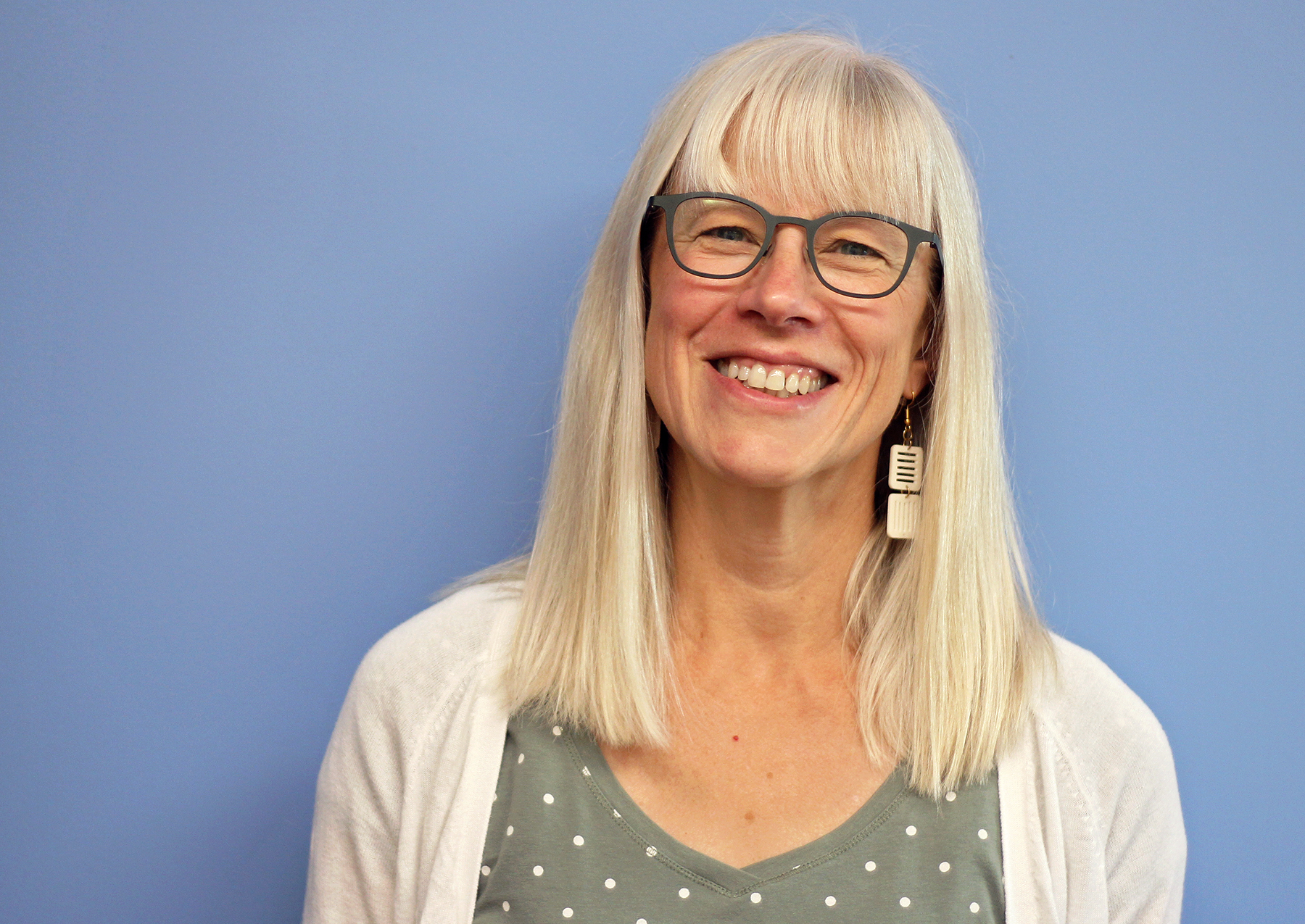
The Book of James
In the 16th century, Reformer Martin Luther called the letter of James an “epistle of straw.” Despite this dismissive characterization, the letter continues to be a favourite for many Christians. With its memorable imagery and straightforward instruction, James makes Christian faith practical and relevant for daily life. Although he mentions Jesus rarely, James echoes the teachings of Jesus throughout his letter, guiding the church to live more faithfully as Jesus’ followers. And yet, living out the vision of Christian discipleship set out by James is anything but easy or simple. The difficulty with James is not so much understanding what he says but living this way. In this series we will explore how we as a church can help each other live as followers of Jesus, with the guidance of the letter of James. We will begin with an introduction to the book, setting it in its historical and literary context and looking for the voice of Jesus. In subsequent sessions we will examine several key themes in the letter and conclude with a survey of how James has been read through the centuries. Our goal will be to reflect on how this letter can and does shape faithful Christian discipleship today.
Dr. Sheila Klassen Wiebe has been teaching at CMU and before that at Canadian Mennonite Bible College since 1993. Although most of her teaching and writing has been Jesus and the Gospels, she recently completed a commentary on the letter of James for the Believers Church Bible Commentary series (forthcoming in February). Sheila treasures relationships with students and is enthusiastic about making the Bible come alive for people. Her home congregation in Winnipeg is Charleswood Mennonite Church. She is married to Vern, and they have three young adult daughters. Sheila finds joy in getting her hands dirty in the garden, walking in the forest, camping, making decadent desserts, reading novels, and spending time with family and friends.
10:00–11:00 AM CT | Hybrid Class (see note below)
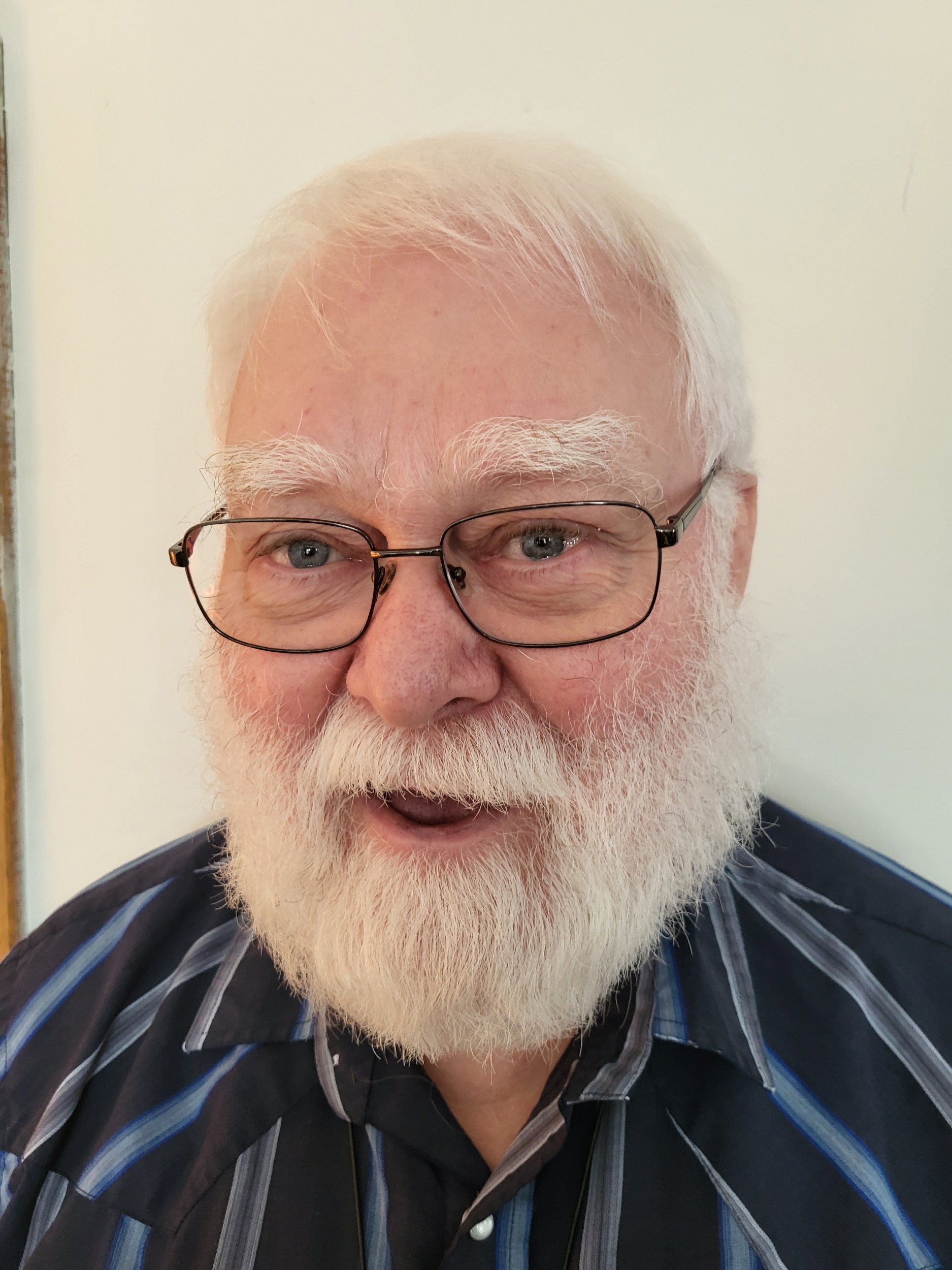
Thinking About Death and Dying: How Does One Prepare?
This course will feature different resource persons who will bring their professional expertise and help us think through important issues as we face the inevitable. Many of us are in denial and we procrastinate important conversations with family and loved ones, and put off plans we need to make until “later” (sometimes when it is too late). These issues are important to consider at every age, since the unexpected can happen, but might take on an urgency in older age. They concern matters of estate planning—legalities like wills and powers of attorney as well as medical issues such as health care proxies and directives, medical care options, advance care planning, MAiD, and options for funerals and memorials.
We will also address the spiritual aspects of death, how we can find support and support others who have experienced the death of a loved one or are living with a terminal diagnosis, and what to keep in mind when we ponder our own mortality.
Erwin Warkentin (Wark) is a graduate of CMBC (a predecessor college of CMU) and has worked as a lawyer, an administrator, a mediator, and a pastor. Throughout his life he has observed many people and families as they come to terms with the reality of death—their own or that of a loved one. He will introduce this course, and will be followed by other professionals and lay people as they contribute to this exploration of an event that we will each face sooner or later.
11:30 AM – 12:30 PM CT | In Person Only (Zoom available Thursdays)
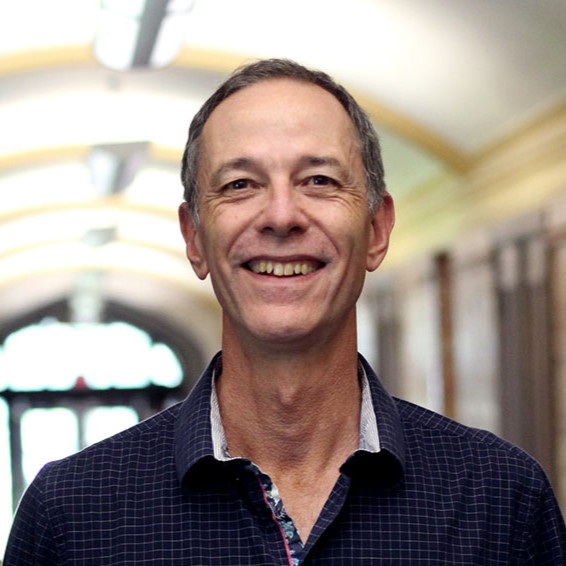
The AI Revolution
Artificial Intelligence has rapidly become a major force reshaping everyday life—how we work, learn, create, and understand the world around us. In this course, we’ll explore the history of AI, the breakthroughs that made today’s systems possible, and the new ethical and social questions they raise.
Together we’ll look at what AI is (and what it isn’t), how tools like ChatGPT and image generators actually work, and why so many people are both excited and uneasy about rapid change. We will consider AI’s impact on personal life, employment, society, the environment, and global politics, and we’ll examine the “alignment problem”: the challenge of ensuring advanced AI is a trustworthy partner in a shared world.
No background in computing is expected. The goal is to leave participants with a grounded understanding of today’s AI landscape, and a richer sense of how this revolution invites us to engage this moment with curiosity, humility, and hope.
Dr. Tim Rogalsky teaches mathematics at CMU, where his work increasingly focuses on helping students and the wider community understand today’s rapidly evolving AI landscape. His teaching blends clear explanation with hands-on exploration and discussion, encouraging learners to think critically together about how technology shapes society, the environment, and our relationships with one another.
Tim is an applied AI researcher whose projects span science, history, and education. He uses AI to help biologists understand how cancers might begin and to help geneticists trace big evolutionary patterns over millions of years of history. He is also building an AI-powered local-history chatbot for the Manitoba Historical Society and developing AI “tutors” to support student learning. In 2026, he will launch CMU’s new course The AI Revolution, designed to help students make sense of today’s rapidly changing AI world.
11:30 AM – 12:30 PM CT | Hybrid Class (see note below)
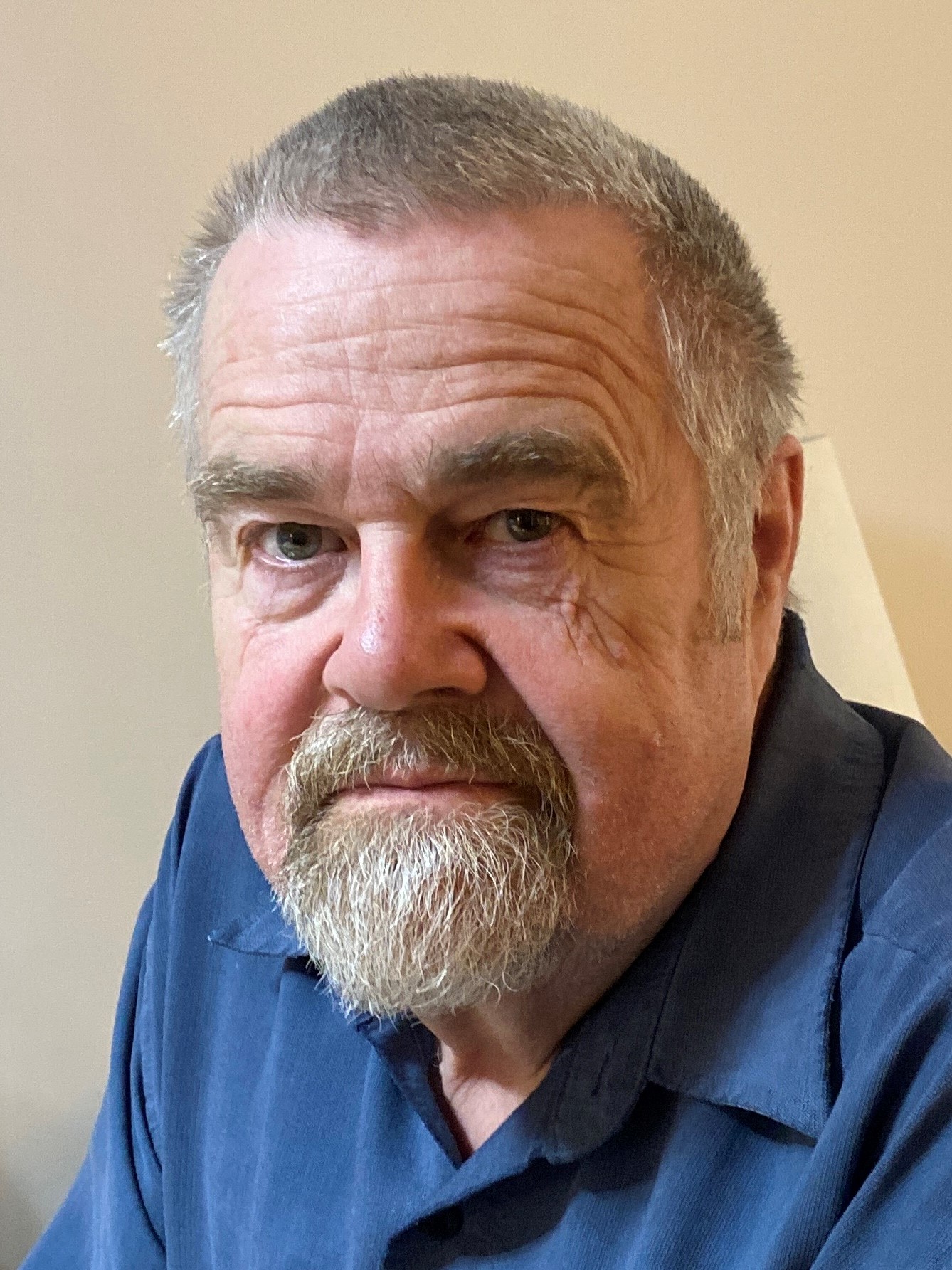
Appeals from the Brink by and for the Mennonites in the Early Soviet Era
In the midst and aftermath of revolution, banditry, famine, disease and repression and on the brink of destruction as a community various appeals were made by and for the Mennonites in Ukraine from 1918 until 1926: appeals for national autonomy, for permission to emigrate, for permission to immigrate, for relief from famine and for religious toleration. Drawing upon hitherto over-looked original documents and photographs available in the Mennonite Heritage Archives, the backgrounds, authors, contents and consequences of these appeals will be described with illustrated presentations. Parallels to current appeals by Canadian Mennonites for other communities will be considered.
Peter Rempel has been an Administrator for Mennonite archival, church, service, and mission organizations at provincial, national and international levels from the 1970s to the 2020s and an amateur historian of Mennonites with numerous short articles and book reviews." Peter graduated from CMBC with a BTh, and from the University of Manitoba with a BA and MA in History. Work responsibilities included Administrative Assistant with MCC Canada (1976-1981), Assistant Director with MCC Europe (1981-1986), Executive Director with MCC Manitoba (2005-2012, 2015-2016), Coordinator for Africa and Europe for Commission of Overseas Mission (1993-2000) and Mennonite Church Canada Witness (2000-2005). Archival work included Assistant and Interim Archivist at Mennonite Heritage Center (1988-2005). Presently member of Charleswood Mennonite Church (1995-present).
Wednesdays: February 18 – March 25
9:30–10:30 AM CT | Zoom Only (see note below)
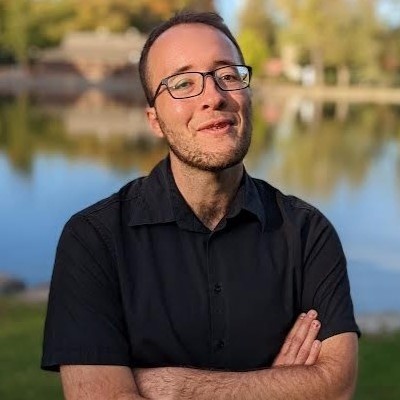
Nationalism and militarism: Temptations & options for the church
Nationalism and militarism are modern phenomena. While violence, warfare, and competition between societies have existed for millennia, the specific form they take in the modern era presents the church with a unique set of temptations, opportunities, and challenges for discernment.
This course will look at nationalism and militarism through three lenses: theological, historical, and practical. Theologically, the course will probe the roots of nationalism and militarism in our nature as social beings—created by God for mutual aid, but not for violence. Historically, the course will trace the evolution of modern nationalism and militarism, highlighting their uniqueness to a technological and democratic era.
Finally, the course will explore the practical options available to the Church for engaging with nationalism and militarism in our time. Are there ways to participate in nationalism that remain faithful? And are there ways of defending our countries that are nonviolent?
Isaiah Ritzmann is a Peace & Advocacy Associate with Mennonite Central Committee Ontario. A graduate of Conrad Grebel University College at the University of Waterloo (MTS, 2015), Isaiah spent ten years as a community educator at The Working Centre in Kitchener, ON, where he developed and taught classes such as the Diploma in Local Democracy (exploring “democratic relationships in everyday life”) and the Diploma in Ecological Economics. Isaiah co-founded and co-led the Open Homes Network in Kitchener-Waterloo (2017–2024), a network of families hosting and providing shelter for newly arrived refugee claimants. He recently co-founded and co-facilitates the Canadian Coalition for Nonviolent Defense, a group that seeks to promote the use of nonviolent resistance as an alternative to military defense policies. He lives in Toronto, ON.
11:00 AM – 12:00 PM CT | Zoom Only (see note below)
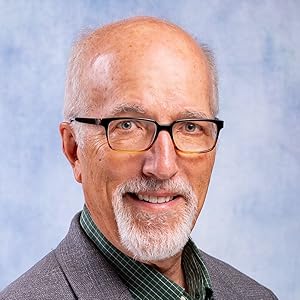
Revelation: Hope in a time of Turmoil
The Book of Revelation is a visually and theologically rich portrayal of how Jews and Christians experienced the Roman empire in the first century. Warfare, persecution, idolatry, narcissistic rulers, environmental degradation, rampant greed, and abuse of government power depicted in John the Seer's vision seem hauntingly relevant for our time. Even more relevant is Revelation’s presentation of a sovereign and redeeming God who promises to “make all things new.” This apocalyptic book offers welcome spiritual guidance and robust hope for the church today.
Dr. J. Nelson Kraybill, whose books include Apocalypse and Allegiance: Worship, Politics, and Devotion in the book of Revelation and Stuck Together: the hope of Christian Witness in a Polarized World. Nelson has served as pastor in three congregations and leads annual study-pilgrimage groups to Bible lands with TourMagination.com. He was Programme Director of the London Mennonite Centre (1991-1996), President of Anabaptist Mennonite Biblical Seminary (1997-2009), and President of Mennonite World Conference (2015-2023). He and wife Ellen live in Elkhart, Indiana.
Thursdays: February 19 – March 26
11:00 AM–12:00 PM CT | Zoom Only (see note below)
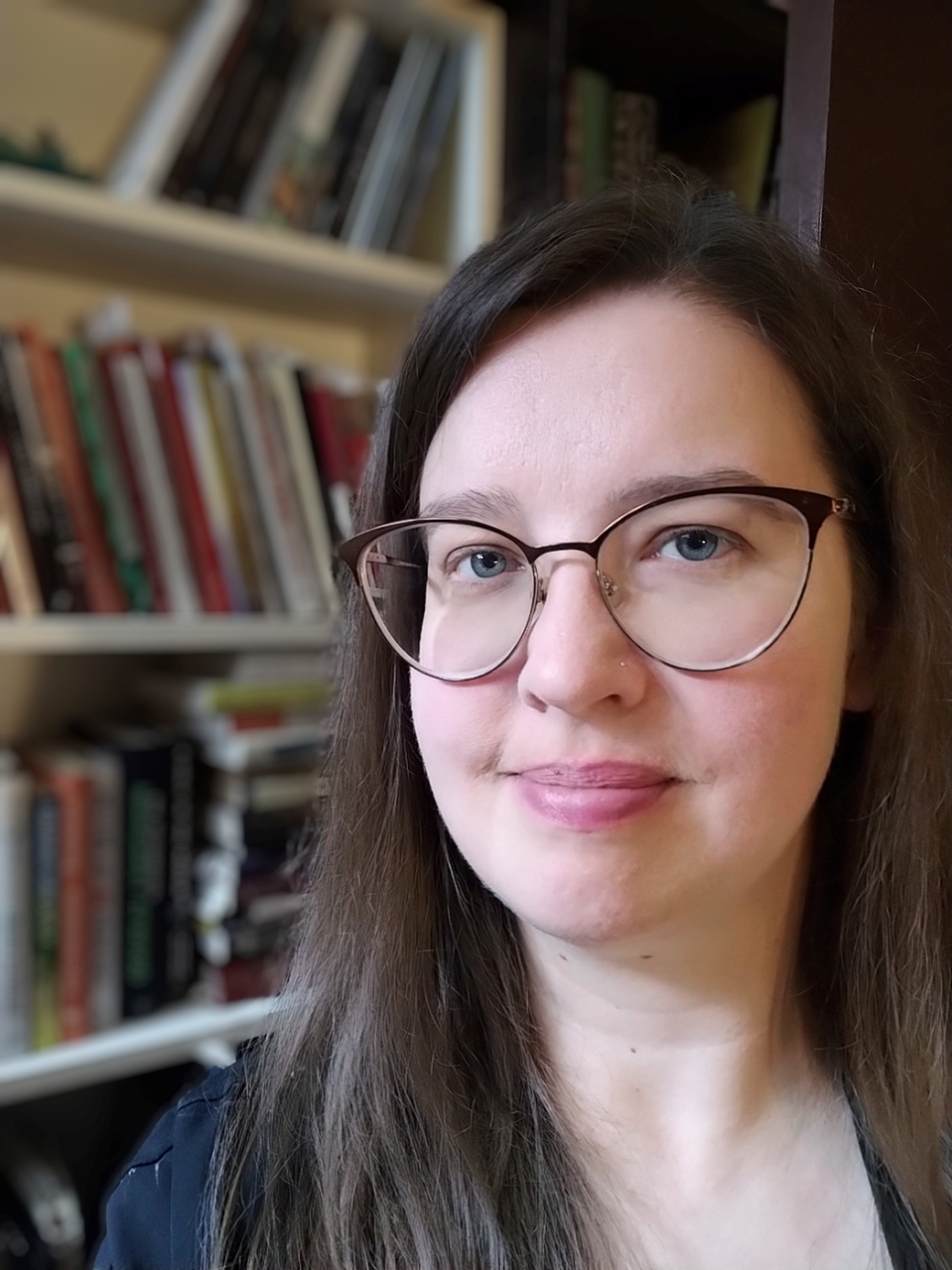
Theologies of Trauma and Healing
Where is God when we suffer not only loss and grief, but unspeakable traumas such as sexual abuse, natural disasters, or genocide? This course will explore recent theologies that integrate trauma theory into their notions of suffering, forgiveness, redemption, and the cross, pointing out both harmful and healing aspects of Christian faith and practice for those who have experienced trauma. Classes will focus on a variety of examples of individual and collective traumas, from the biblical narratives of Hagar and Job, to theological interpretations of martyrdom and Jesus’ crucifixion, to intergenerational traumas of colonialism, war, and displacement. Alongside our look at biblical and theological concepts, students will be encouraged to apply our learning in practical and/or congregational settings, reflecting on the role of faith communities in adapting our theologies, worship, and pastoral care to address traumatic experiences and work toward healing.
Dr. Susanne Guenther Loewen is a theologian and university instructor based in Saskatoon. She teaches Peace Studies at St. Thomas More College at the University of Saskatchewan and has previously worked as a pastor in the Mennonite church and taught courses for CMU, including the Canadian School of Peacebuilding. She holds a PhD in theologies of the cross from the Toronto School of Theology and is currently working on a book: Making Peace with the Cross: An Anabaptist Feminist Theology of Redemptive Compassion (T&T Clark). She lives with her spouse and two children, and can often be found knitting, reading novels, or walking her dog in all kinds of weather.
11:30 AM – 12:30 PM CT | Zoom Only (see note below)
The AI Revolution
Artificial Intelligence has rapidly become a major force reshaping everyday life—how we work, learn, create, and understand the world around us. In this course, we’ll explore the history of AI, the breakthroughs that made today’s systems possible, and the new ethical and social questions they raise.
Together we’ll look at what AI is (and what it isn’t), how tools like ChatGPT and image generators actually work, and why so many people are both excited and uneasy about rapid change. We will consider AI’s impact on personal life, employment, society, the environment, and global politics, and we’ll examine the “alignment problem”: the challenge of ensuring advanced AI is a trustworthy partner in a shared world.
No background in computing is expected. The goal is to leave participants with a grounded understanding of today’s AI landscape, and a richer sense of how this revolution invites us to engage this moment with curiosity, humility, and hope.
Dr. Tim Rogalsky teaches mathematics at CMU, where his work increasingly focuses on helping students and the wider community understand today’s rapidly evolving AI landscape. His teaching blends clear explanation with hands-on exploration and discussion, encouraging learners to think critically together about how technology shapes society, the environment, and our relationships with one another.
Tim is an applied AI researcher whose projects span science, history, and education. He uses AI to help biologists understand how cancers might begin and to help geneticists trace big evolutionary patterns over millions of years of history. He is also building an AI-powered local-history chatbot for the Manitoba Historical Society and developing AI “tutors” to support student learning. In 2026, he will launch CMU’s new course The AI Revolution, designed to help students make sense of today’s rapidly changing AI world.
Information to keep in mind when registering for Xplore classes
Xplore courses are offered in multiple formats: Zoom-only, hybrid, and in person-only.
Zoom-only courses are fully online. Instructors and students join via a shared Zoom link, allowing participants to attend from anywhere. Classes may include lectures, PowerPoint presentations, and discussion, and recordings are often available if you miss a live session. This format offers equal access to instructors and fellow students and provides a positive, effective learning experience.
Hybrid courses are offered both in person at CMU and on Zoom at the same time. While our IT technicians work hard to support this format, teaching to in-person and online students simultaneously presents challenges. Zoom participants may occasionally experience issues such as difficulty hearing in-class questions or limited visibility of the instructor or presentation.
In person-only courses are only offered in person at CMU.
If you have any questions, or would like more information, please email xplore