
Learning for Life at the Intersection of Faith and Life
No matter your age, discovery is a part of life. Xplore offers courses that investigate dimensions of the Christian faith, our world, and life in it. All without any assignments or examinations!
The Xplore program will come to you in person and online, making courses available broadly across Canada and beyond.
Xplore happens in six-week blocks every fall and winter.
Regardless of where you live, anyone with access to a computer and the internet will be able to benefit from these courses.
Tuition and Registration
Single in-person registration offered at CMU on Tuesdays is $70 per person/course.
Single online registration via Zoom is $70 per person/course.
Small group (2-4 people) for any online course via Zoom in a home is $100.
Large group (5 or more people) in a church or other community for any online course via Zoom is $200.
To register by mail, send a list of courses along with your name, address, email address, and cheque to:
Canadian Mennonite University | Attn: Xplore, 500 Shaftesbury Blvd., Winnipeg, MB, R3P 2N2
Fall 2026 Courses
Tuesdays: October 6 – November 10
10:00–11:00 AM CT | Hybrid Class (see note below)
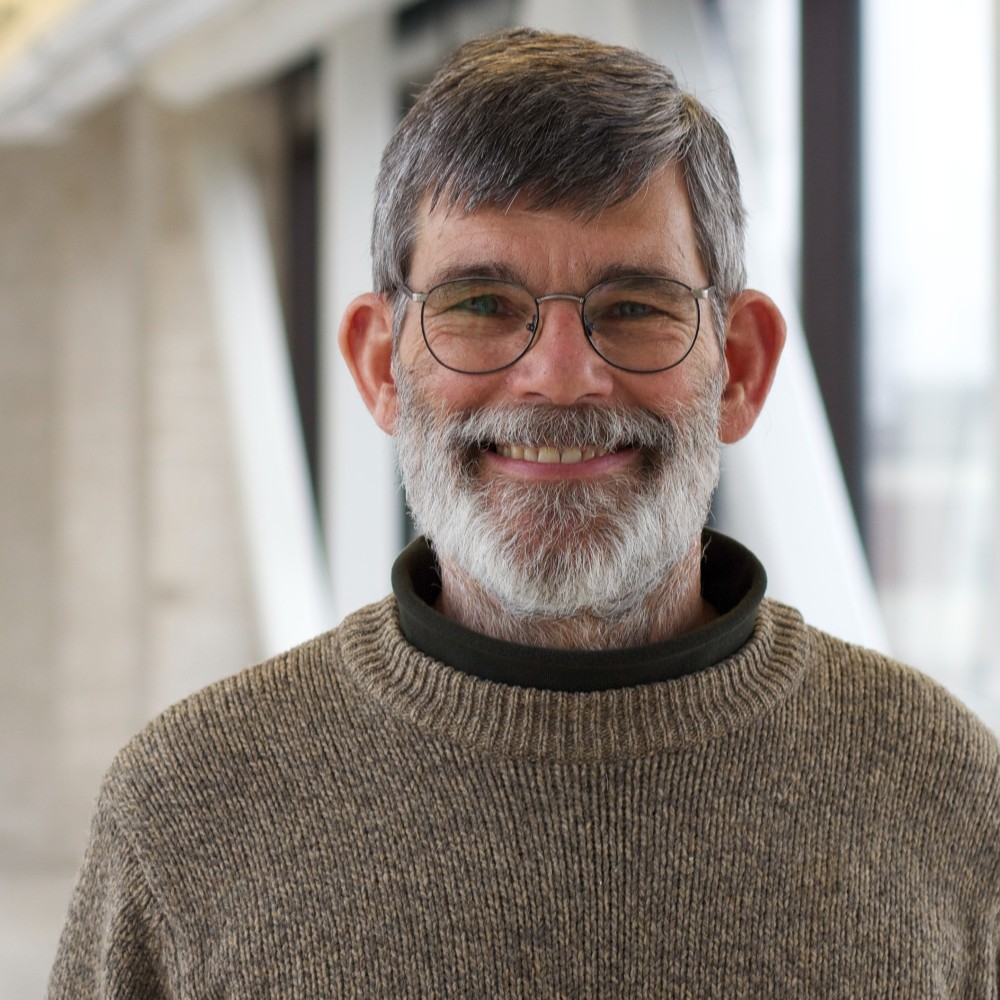
Confronting the History and Legacy of Christian Antisemitism
This course will explore the neglected history of Christian antisemitism that began when early Christian theologians used biblical texts to develop an extensive antisemitic theology that persisted into modern times. For centuries, Christian antisemitism made Jewish communities across Europe the targets of demonization, persecution, expulsions, and even massacres. Christian antisemitism eventually evolved into various strands of secular antisemitism, one of which led to the Holocaust. The course will highlight how antisemitism was a major factor leading to the formation of the modern state of Israel, which resulted in the conquest and dispossession of Palestinians. The course will conclude by evaluating different definitions of antisemitism and by analyzing how the accusation of antisemitism is sometimes weaponized to stifle support for the aspirations of Palestinians. The course will consistently ask how contemporary Christians might respond faithfully to the sad legacy of Christian antisemitism.
Dr. Dan Epp-Tiessen is retired from teaching Bible and theology at CMU after 26 years. He is grateful for ongoing opportunities to live out his vocation of teaching and preaching the Bible and Christian faith, especially without assignments to mark in the evenings. Dan is active in solidarity efforts to resist Israel’s settler-colonial oppression of Palestinians and its genocide in Gaza. Dan enjoys gardening, birdwatching, camping, biking, exercising, and spending time with his wife Esther as well as their children and grandchildren.
10:00–11:00 AM CT | Hybrid Class (see note below)
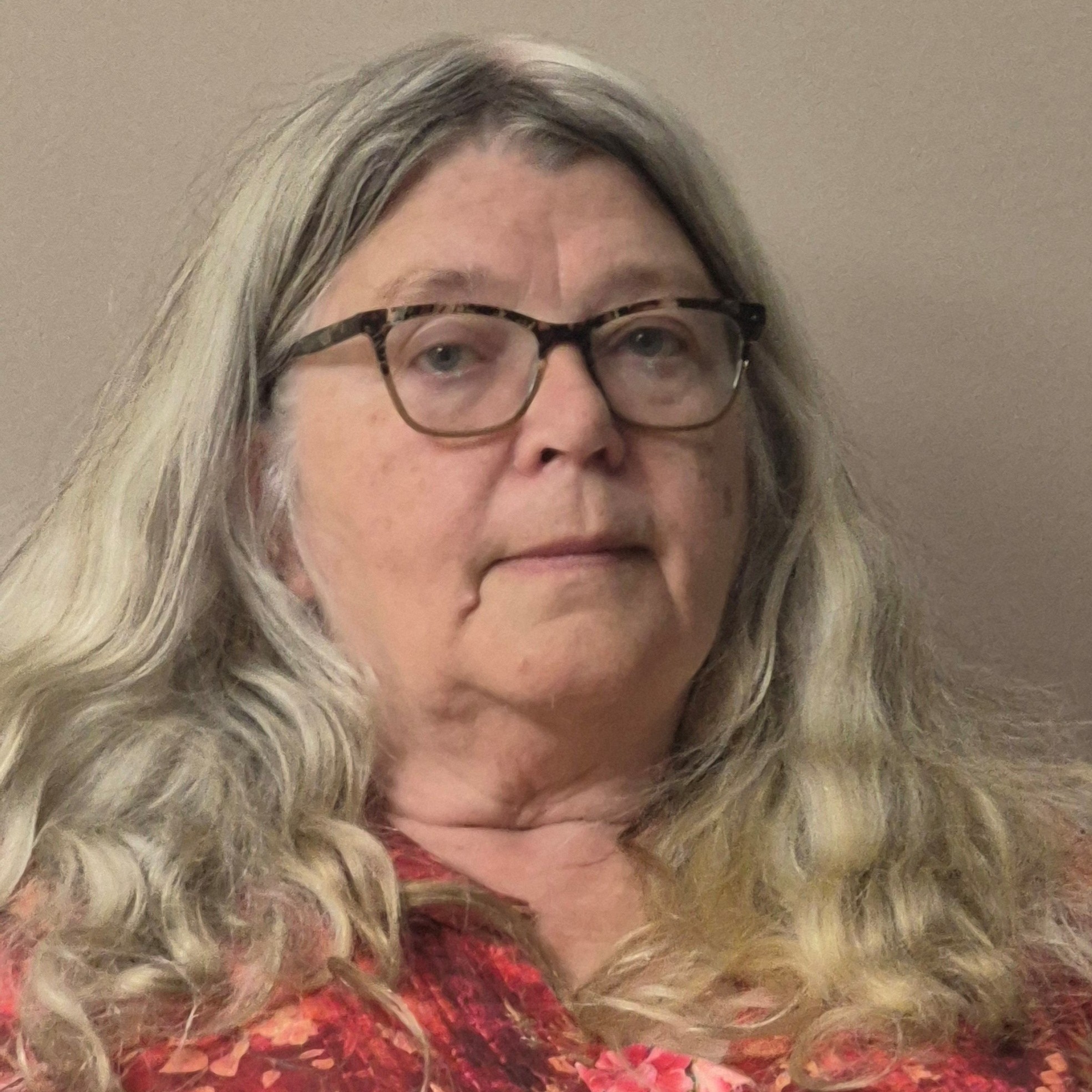
Human Nature as Depraved or Benevolent: The Fall of the Fall
Adam, Eve, the snake, and the bite of the apple—the story of the Fall has made it into common folklore. The Westminster Confession of 1646 defined orthodoxy in the Presbyterian Church of Scotland, including the doctrine of the Fall. In the 18th century, the Scottish Enlightenment challenged the Confession’s doctrine of the Fall and original sin. In this course, we move from the heresy trials of Francis Hutcheson through David Hume and Adam Smith to Thomas Reid. We look at how there was a move away from an orthodox understanding of human nature as corrupt and depraved toward an understanding of human nature as good and consider the implications for faith today.
Ingrid Peters-Fransen taught economics in three provinces and one state. Her favourite class was the history of economic thought. She is especially intrigued by the moral philosophy of the 18th-century economist Adam Smith. In her retirement, she continues to research Adam Smith, as well as Mennonites in West Prussia. Her retirement is also filled with familial responsibilities—a 104-year-old mother in Winnipeg, four grandchildren in Minneapolis, and a grandson in Victoria.
11:30 AM – 12:30 PM CT | Hybrid Class (see note below)
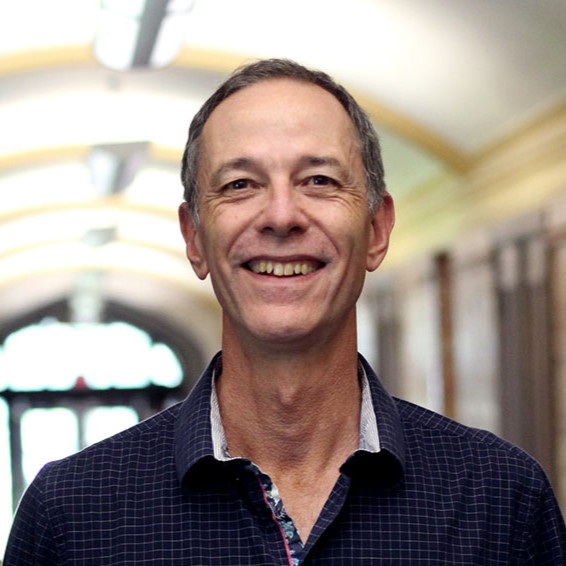
The AI Revolution
Artificial Intelligence has rapidly become a major force reshaping everyday life—how we work, learn, create, and understand the world around us. In this course, we’ll explore the history of AI, the breakthroughs that made today’s systems possible, and the new ethical and social questions they raise.
Together we’ll look at what AI is (and what it isn’t), how tools like ChatGPT and image generators actually work, and why so many people are both excited and uneasy about rapid change. We will consider AI’s impact on personal life, employment, society, the environment, and global politics, and we’ll examine the “alignment problem”: the challenge of ensuring advanced AI is a trustworthy partner in a shared world.
No background in computing is expected. The goal is to leave participants with a grounded understanding of today’s AI landscape, and a richer sense of how this revolution invites us to engage this moment with curiosity, humility, and hope.
Note: This course covers the same core content as the Winter 2026 offering, updated to reflect the rapid pace of change and the latest AI developments.
Dr. Tim Rogalsky teaches mathematics at CMU, where his work increasingly focuses on helping students and the wider community understand today’s rapidly evolving AI landscape. His teaching blends clear explanation with hands-on exploration and discussion, encouraging learners to think critically together about how technology shapes society, the environment, and our relationships with one another.
Tim is an applied AI researcher whose projects span science, history, and education. He uses AI to help biologists understand how cancers might begin and to help geneticists trace big evolutionary patterns over millions of years of history. He is also building an AI-powered local-history chatbot for the Manitoba Historical Society and developing AI “tutors” to support student learning. In 2026, he will launch CMU’s new course The AI Revolution, designed to help students make sense of today’s rapidly changing AI world.
7:00 – 8:00 PM CT | Zoom Only (see note below)
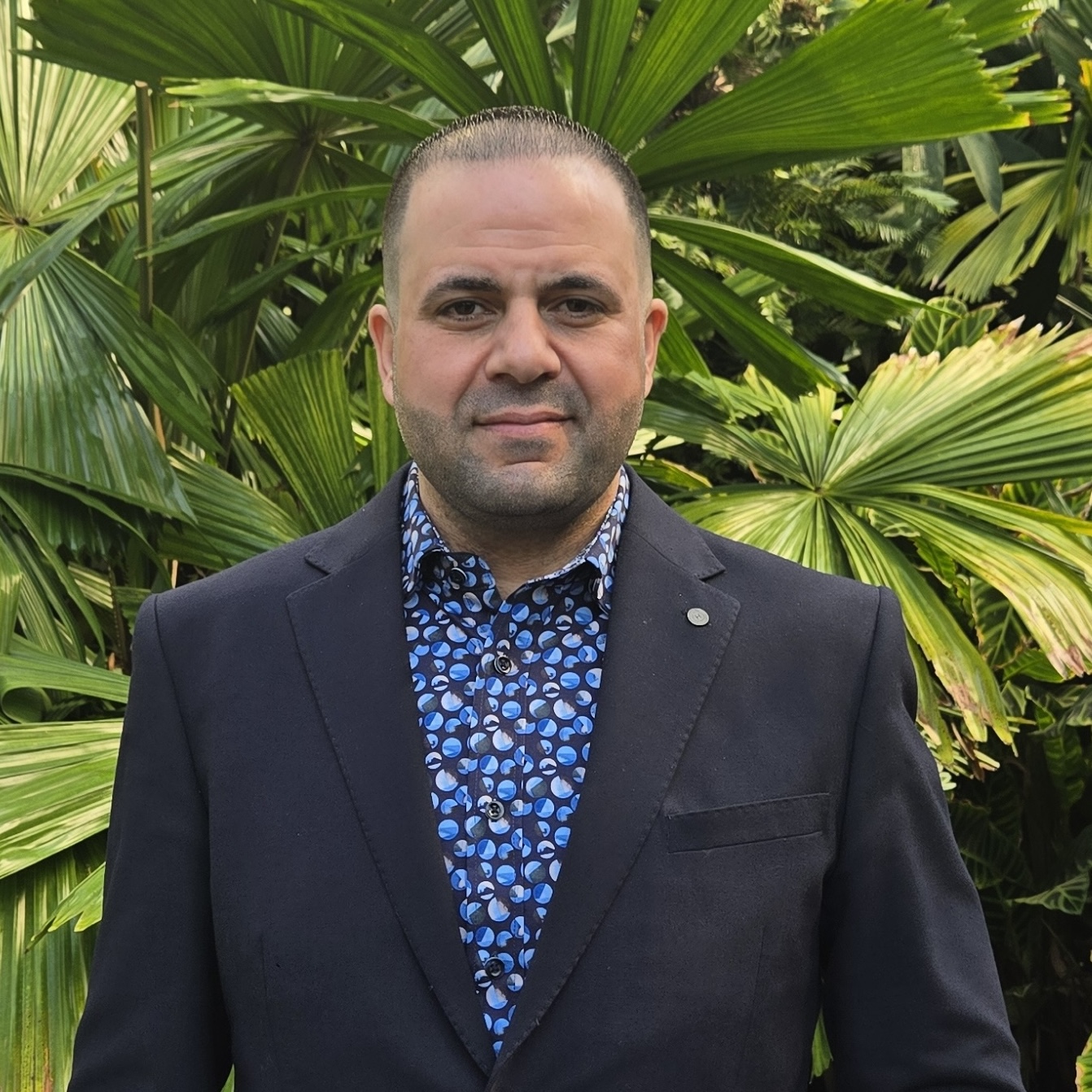
The Power of Narratives in Conflict Transformation
You are invited into a transformative learning experience that explores the power of narratives in shaping conflict, identity, relationships, and possibilities for peace. This online, evening course creates a unique space where storytelling, dialogue, and deep listening become tools for understanding, healing, and social change.
Drawing on his personal and professional experiences as a Muslim and Palestinian peacebuilder, Dr. Izzeddin Hawamda will guide the class through interactive learning, facilitated dialogue, reflective exercises, and conversations with guest storytellers from diverse lived experiences. Participants will examine how personal and collective narratives influence the way we see ourselves and others. Together, we will explore how courageous listening and authentic storytelling can challenge assumptions, bridge differences, and foster more just and compassionate communities.
Whether you are an educator, community leader, student, faith leader, or simply someone seeking deeper connection and understanding, this course offers practical tools and meaningful conversations that inspire personal and collective transformation.
Dr. Izzeddin Hawamda is an educator, peacebuilder, storyteller, public speaker and founder of Sadaa-Echoes Consulting. Born and raised in the West Bank, he holds a PhD in Peace and Conflict Studies from the University of Manitoba. He served as the Anti-Racist Education Professional Learning Initiative Coordinator across three school divisions in the City of Winnipeg. He is a Faculty Fellow at Canadian Mennonite University and has taught courses as a sessional instructor at the University of Winnipeg.
Hawamda creates spaces that foster empathy, challenge prejudice, and strengthen relationships across diverse communities. His work demonstrates the power of stories to build understanding, humanize differences, and inspire meaningful social change. In recognition of his contributions to education and community building, Hawamda received the 1922 Award for Service to the Teaching Profession from The Manitoba Teachers' Society (2026) and the King Charles III Coronation Medal.
Wednesdays: October 7 – November 11
9:30–10:30 AM CT | Zoom Only (see note below)
Militarism in Canadian Context
This class will explore militarism in Canada’s contemporary context, specifically shifting defence policy after the re-election of Donald Trump. It will explore three broad, interrelated dimensions of Canada’s new militarism. First, it will seek to situate Canada’s new policy within a broader analysis of our current economic, cultural, and geopolitical context. Second, it will explore alternative defence and foreign policy alternatives that are both visionary and viable. Finally, it will chart out collective pathways from our current context to these visionary and viable alternatives.
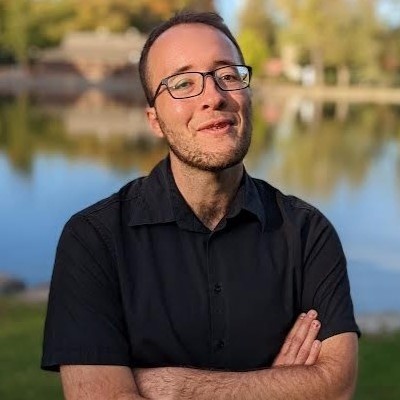
Isaiah Ritzmann is a Peace and Advocacy Associate with Mennonite Central Committee Ontario. A graduate of Conrad Grebel University College at the University of Waterloo (MTS, 2015), Isaiah spent ten years as a community educator at The Working Centre in Kitchener, ON, where he developed and taught classes such as the Diploma in Local Democracy (exploring “democratic relationships in everyday life”) and the Diploma in Ecological Economics. Isaiah co-founded and co-led the Open Homes Network in Kitchener-Waterloo (2017–2024), a network of families hosting and providing shelter for newly arrived refugee claimants. He recently co-founded and co-facilitates the Canadian Coalition for Nonviolent Defense, a group that seeks to promote the use of nonviolent resistance as an alternative to military defense policies. He lives in Toronto, ON.
11:00 AM – 12:00 PM CT | Zoom Only (see note below)
De-centered Church: Being Church When We Feel Out of Control
What it means to be church continues to change. In many congregations Sunday morning gatherings feel smaller, it's harder to find pastoral leadership, and explaining why one would be part of such a group feels more and more culturally fraught. Church magazines run headlines about the "great de-churching" and the "crisis of pastoral call." Church feels increasingly out of our control.
Grounded in our contemporary lived experience, this course will explore what it means for congregations to meet God in the places they experience challenges, grief, and weakness. It will trace out a few historical approaches to church, from the New Testament era to the 21st century, that operate from a place of strength and self-possession. These will serves as background for a practical and theological working out of a "weak" ecclesiology—a way of being church where Jesus calls us together in our hurts, needs, and vulnerabilities for the healing and hope of the world.
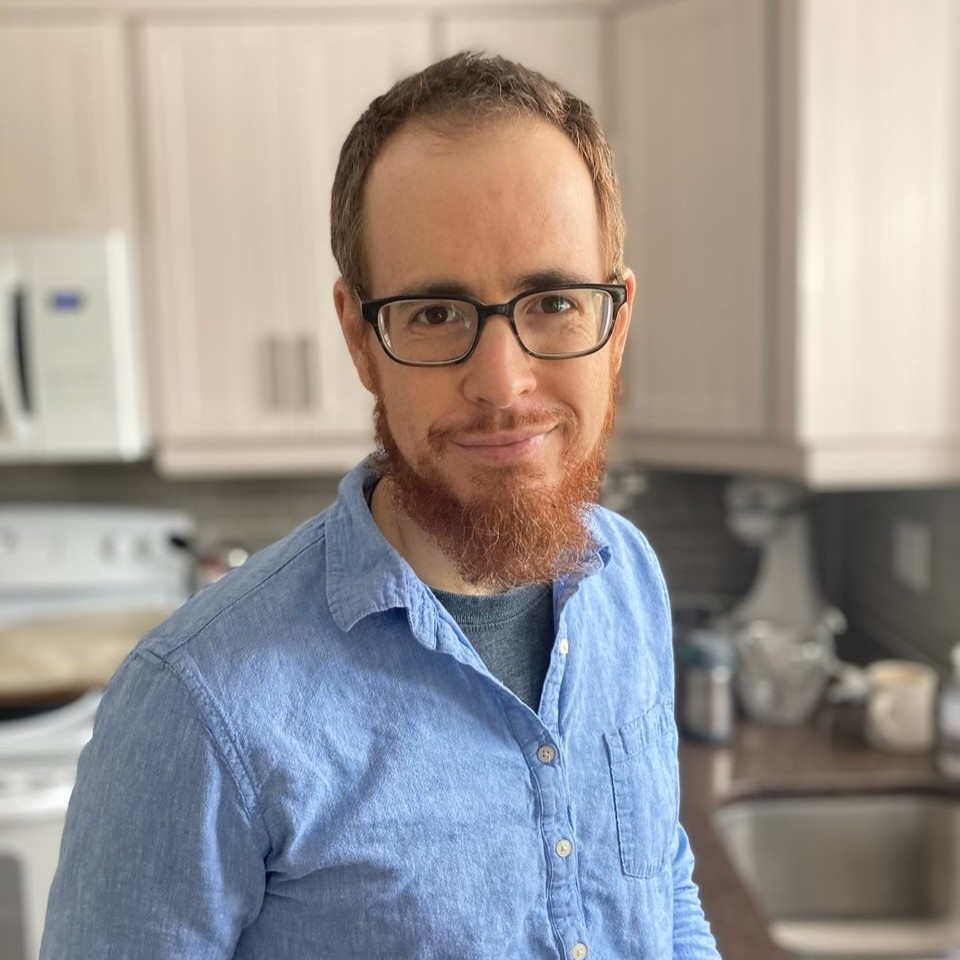
Josh Wallace is a pastor, church planter, and educator in Saskatoon in Treaty 6 territory. He teaches in Religion and Culture at St. Thomas More College at the University of Saskatchewan, and helps lead Backyard Church, a small, conversation-based church that meets in his backyard (or living room when it's too cold or smoky outside). He previously served as Church Engagement Minister for Mennonite Church Saskatchewan (2020–2024), supporting congregations in transition and mission. He earned his DMin in Contextual Theology at Northern Seminary under the direction of missional church scholar David Fitch. He loves a good cup of coffee, hiking in the Montana mountains of his youth, and his wife Cindy and their two school-aged children.
Thursdays: October 8 – November 12
9:30 AM–10:30 AM CT | Zoom Only (see note below)
Jesus and Wealth
Jesus talked about money and possessions many times. In fact, after the kingdom of God, he talked about these earthly treasures more than almost anything else—such as how to get along with each other, sexuality, the proper relationship to the state, or how to worship. In my experience, however, we rarely discuss the issues of personal wealth in church.
In this six-week course, we will look at some of the key texts in the New Testament about money and possessions—including the interview Jesus has with a rich ruler about selling everything he has and giving it to the poor as well as the incident in which Jesus rebukes his disciples for criticizing a woman’s use of expensive perfume that could have been sold and given to the poor. What was Jesus trying to tell those who followed him?
How can we engage discussion of how wealth affects Christian life with our brothers and sisters in the faith? In a time when many are predicting a decline in church attendance, would more honesty, transparency, generosity and sense of abundance help or hinder our mission in a war-torn world?
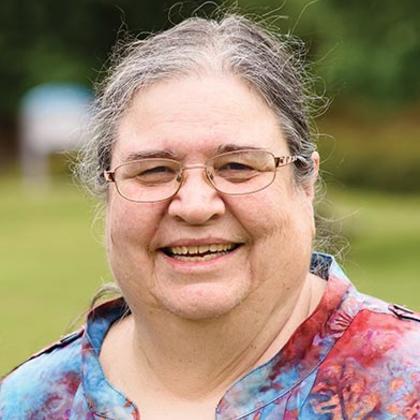
Dr. Mary Schertz is Professor Emerita of New Testament at Anabaptist Mennonite Biblical Seminary, happily living and worshipping in Elkhart, Indiana. Mary recently completed the Believers Church Bible Commentary on Luke which is available from Herald Press at MennoMedia or in Winnipeg at CommonWord.
11:00 AM – 12:00 PM CT | Zoom Only (see note below)
Environmental Stewardship: Planting Hope on a Groaning Earth
Ecosystems across our beautiful planet are beset by troubles—climate change, loss of biodiversity, water pollution, among others—caused mostly by spiralling human demands and ambitions. Technological solutions alone may not resolve these challenges; we will need also to learn again how to live well in the ecosystems that sustain us all. This course will address the following sequence of questions:
- What are the threats? What, briefly, are the origins and underlying causes of current stresses to our ecosystems?
- Why should we care? What motivates us to reorient how we live in response to these challenges, perhaps especially in faith communities?
- What can we do? Given the magnitude and global nature of these stresses, what can we, as local communities, do to meaningfully address them?
The aim of the course is not only to provide an accessible scientific overview of pressing environmental threats, but also to elicit collective, contemplative creativity toward resolving them.
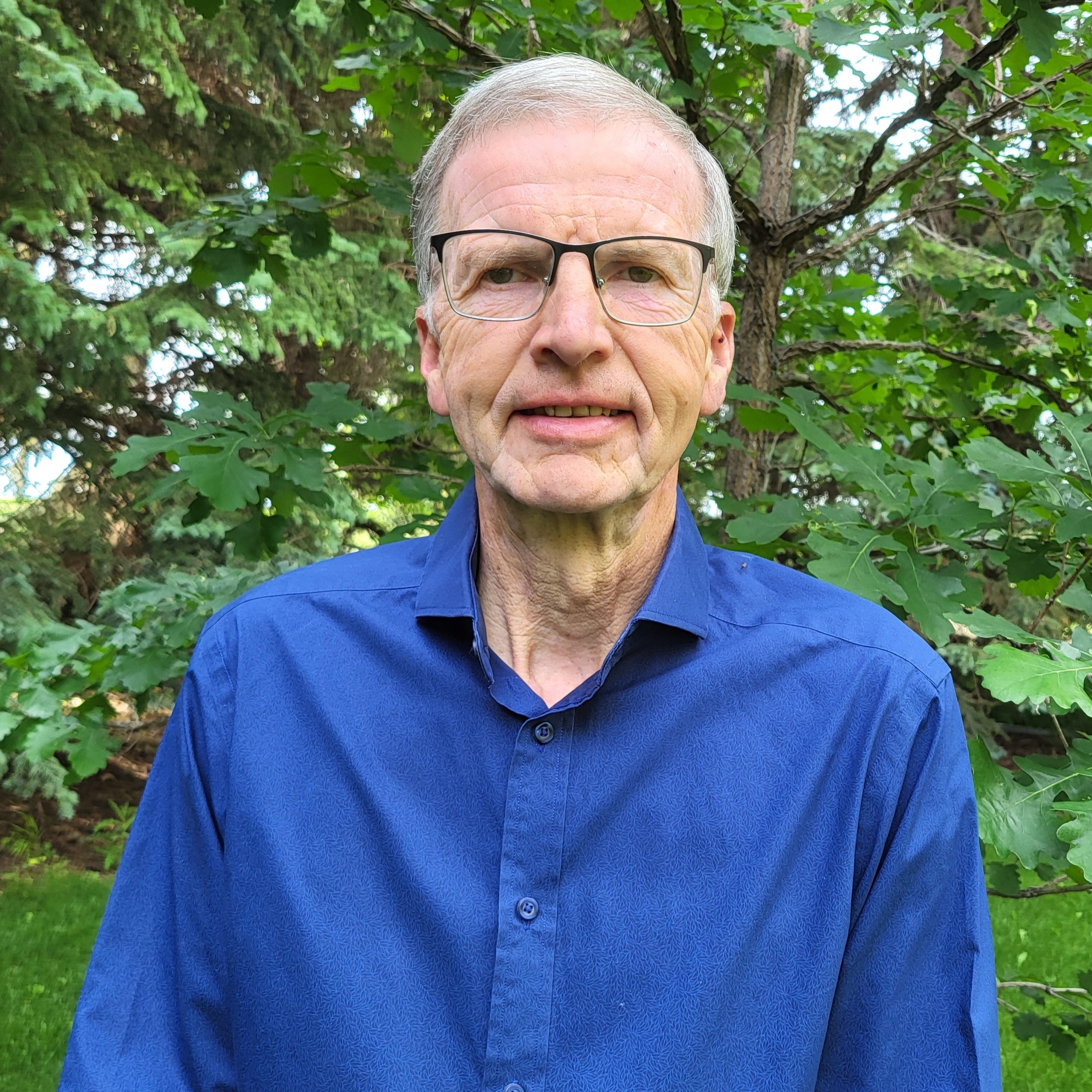
Dr. Henry Janzen is a soil biochemist who, as a scientist with Agriculture and Agri-Food Canada, explored the flows of carbon, nitrogen, and energy through ecosystems, seeking ways of preserving and restoring these lands for those who will depend on them after we are gone. In his career, he has participated in various international ventures, including reports of the Intergovernmental Panel on Climate Change (IPCC).
Information to keep in mind when registering for Xplore courses
Xplore courses are offered in multiple formats: Zoom-only, hybrid, and in person-only.
Zoom-only courses are fully online. Instructors and students join via a shared Zoom link, allowing participants to attend from anywhere. Classes may include lectures, PowerPoint presentations, and discussion, and recordings are often available if you miss a live session. This format offers equal access to instructors and fellow students and provides a positive, effective learning experience.
Hybrid courses are offered both in person at CMU and on Zoom at the same time. While our IT technicians work hard to support this format, teaching to in-person and online students simultaneously presents challenges. Zoom participants may occasionally experience issues such as difficulty hearing in-class questions or limited visibility of the instructor or presentation.
In person-only courses are only offered in person at CMU.
If you have any questions, or would like more information, please email xplore