

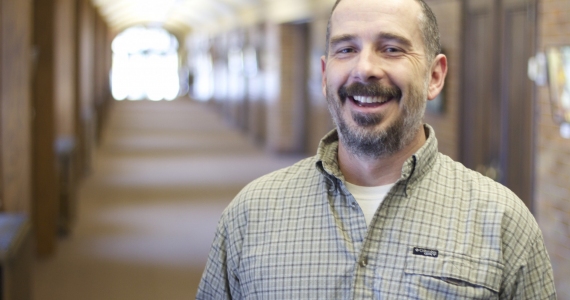
James Magnus-Johnston
Assistant Professor; Director, Redekop School of Business
Program(s): Business, Political Studies
Email: jmagnus-johnston:@:cmu.ca
Phone: 204.487.3300 x647
Office: D290
James is an economist who is curious about how the institutions of money and power shape the conditions for human flourishing. His research examines the material and political implications of the debt-based money system.
His teaching spans business, economics, communications, and political studies. James holds an MPhil in Economics ("Land Economy") from the University of Cambridge, where he began research on debt. He has since expanded upon that work in his PhD at McGill.
He also brings extensive practical experience to his academic work, having served as a board director for Assiniboine Credit Union—one of Canada's largest independent financial institutions—and held roles in financial counselling, public policy, and as an editor and translator in Korea.
As an entrepreneur, James works on community-focused and social business models. He has co-founded or led a range of ventures, including The Fireweed Food Co-op, Fools + Horses Coffee, Compost Winnipeg, Prairie Rivers CoLiving, Proximus 5, and CMU's own Centre for Resilience. He now directs his entrepreneurial energy toward health-tech ventures and the Light of the Prairies Retreat Centre.
Areas of Teaching
economics, governance, energy/environment, finance, public policy, entrepreneruship, communications
Education
PhD, McGill University; MPhil, Cambridge University; Double BA (Hons.), University of Winnipeg
Work in Detail
Teaching
- Democracy & Dissent: An Introduction to Politics
- Global Politics
- Social & Political Philosophy
- Ecological Economics ("Economics of Social Change')
- Behavioural Economics
- The Culture Wars
- Politics, Society, & the Mass Media
- Political Ecology / Citizenship, Land, Economy
- Social Entrepreneurship
- Social Welfare
- Business & Organizational Communication
- Business Ethics
- Organizational Behaviour
- Organizational Leadership
- Innovation Lab
Research
Book Chapters
Magnus-Johnston, J. (2025). God and the machine: Learning in the metamodern revolution. In P. G. Doerksen (Ed.), A time of reckoning: Telling the Canadian Mennonite University story. CMU Press.
Magnus-Johnston, J. (2016). What is the steady state economy? In H. Washington & P. Twomey (Eds.), A future beyond growth: Towards a steady state economy. Routledge.
Research Papers
Magnus-Johnston, J. (under review). Mapping debt's biophysical signature: A comparative analysis of debt–throughput coupling and political grievance in Canada and Argentina. Ecological Economics.
Magnus-Johnston, J. (under review). Debt's matter–energy multiplier: Toward a biohistorical theory of dysregulated economic metabolism. Ecological Economics.
Magnus-Johnston, J. (2025-26). Mapping debt's biophysical signature: Material flows and political sentiment in Canada and Argentina (Doctoral thesis, McGill University).
Magnus-Johnston, J. (2009). Interrogating debt as a driver of growth: links between financial and ecological debt in rich-world economies. (MPhil dissertation, Cambridge University).
Researched Policy Papers (selected)
Magnus-Johnston, J. (2017). Carbon pricing and competitiveness: Policy options for Manitoba businesses. Winnipeg Chamber of Commerce.
Fernandez, L. (Ed.), Magnus-Johnston, J., & Hudson, M. (2016). Energy East: Taking Manitoba in the wrong direction. Canadian Centre for Policy Alternatives.
Magnus-Johnston, J. (Ed.), with the Transition Winnipeg Initiating Committee. (2014). Winnipeg's great transition: Ideas and actions for a low-carbon, climate-resilient city. Transition Winnipeg.
Magnus-Johnston, J. (Ed.), with H. Stevens & the Green Economy Working Group. (2012). Response to the Government of Manitoba's Green Plan. Manitoba Eco-Network.
Editorials (selected)
Magnus-Johnston, J. (2024, January). Requiem for Canada? Regional tensions, changing demographics fuel Trump's annexation hopes. The Conversation.
Magnus-Johnston, J. (2024, January). Beyond the echo chamber. Steady State Herald.
Magnus-Johnston, J. (2015, July). What about innovating beyond the growth trap? Resilience.org.
Magnus-Johnston, J. (2014, December). Peace, love, and the gift. Resilience.org.
Magnus-Johnston, J. (2014, November). Hedonism, survivalism, and the burden of knowledge. Resilience.org.
Magnus-Johnston, J. (2011, July). Art valuable regardless of price. Winnipeg Free Press.
Magnus-Johnston, J. (2010, October). Making sense of the protests through a post-growth lens. Resilience.org.
More here.
Performance
While unrelated to his scholarly interests, James is a professional tenor who has sung with Proximus 5, Polycoro, the Winnipeg Singers, Dead of Winter (Camerata Nova), and Antiphony. Some favourites:
- I Wish (Proximus, Nov 2023)
- In the Bleak Midwinter (Dec 2020)
Applied
James has initiated or participated in a range of organizations and business endeavours including:
- Selfscape Functional Intelligence
- Fools + Horses (Co-founder)
- Light of the Prairies Retreat Centre (Board Director)
- Prairie Rivers CoLiving Co-op (Co-founder)
- Fireweed Food Co-op (Co-founder)
- Assiniboine Credit Union (Board Director)
- Manoverboard Design (Strategic Advisor)
- Creative Applications for Sustainable Technologies (Strategic Advisor)
- Transition Winnipeg (Co-chair)
- Green Action Centre (Board Director)
Faculty: In Their Own Words
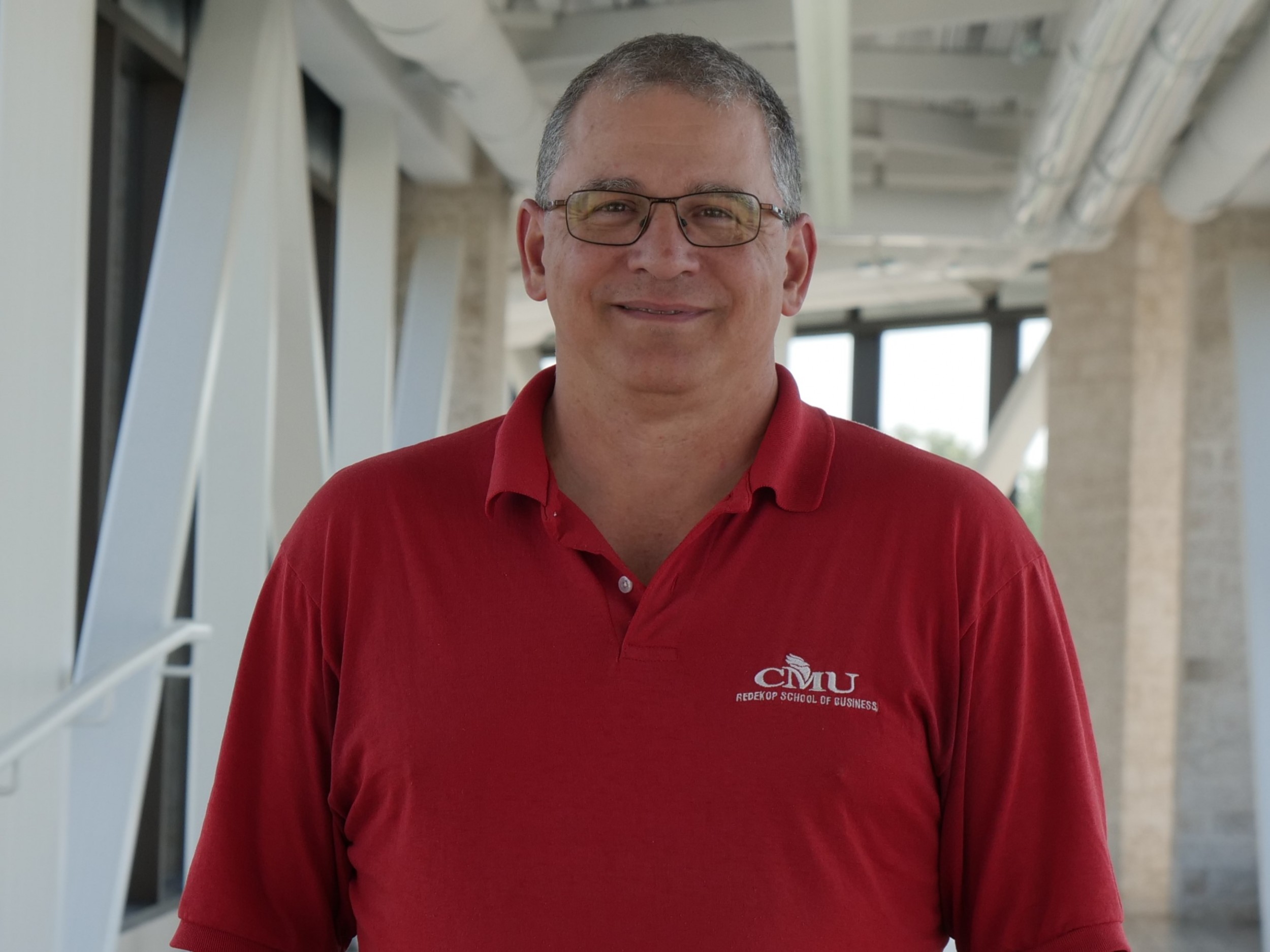
Dr. Craig Martin, Assistant Professor of Business and Program Coordinator for the MBA program
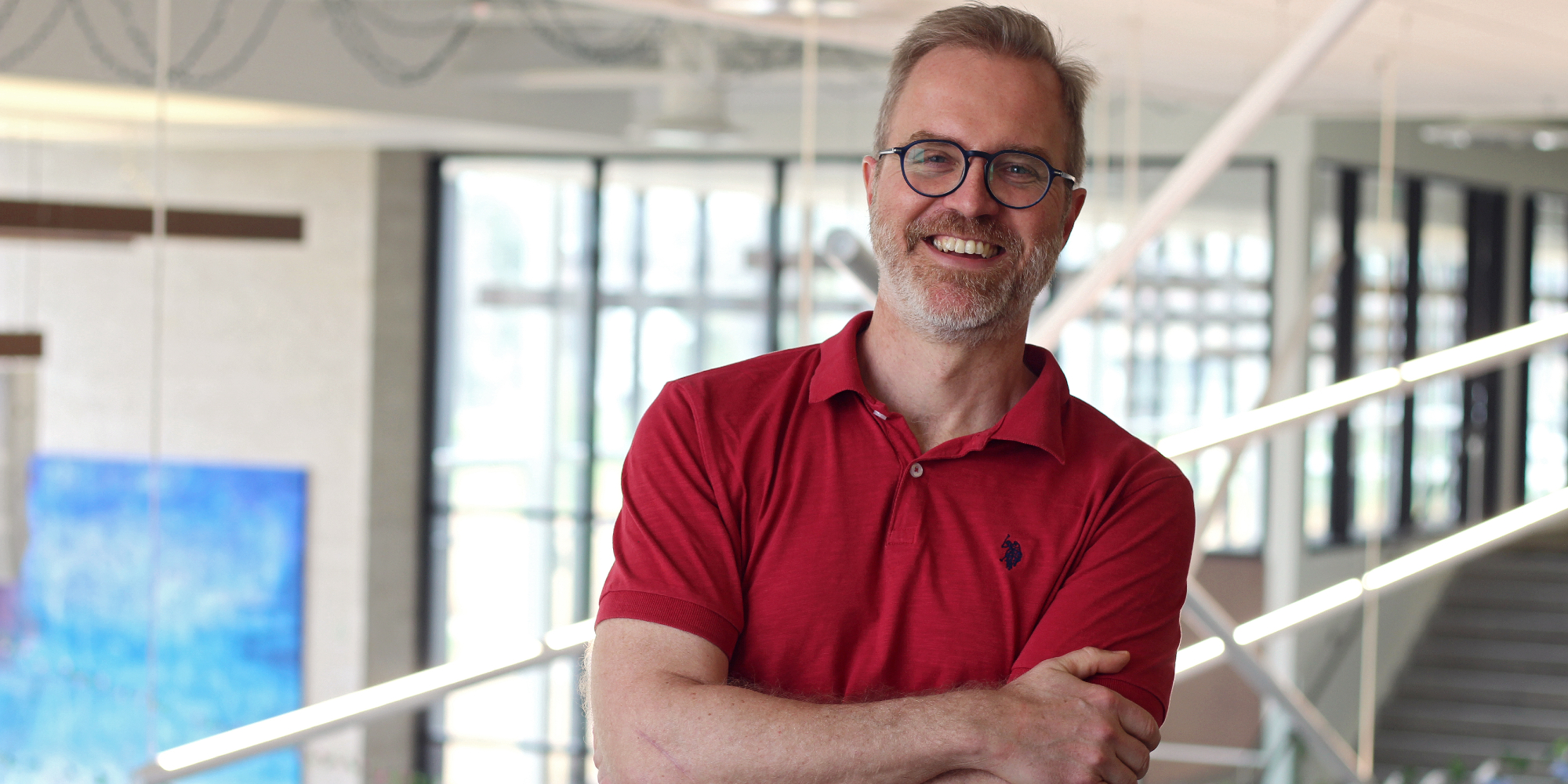
Dr. Alex Sawatsky, Professor and Chair of Social Work
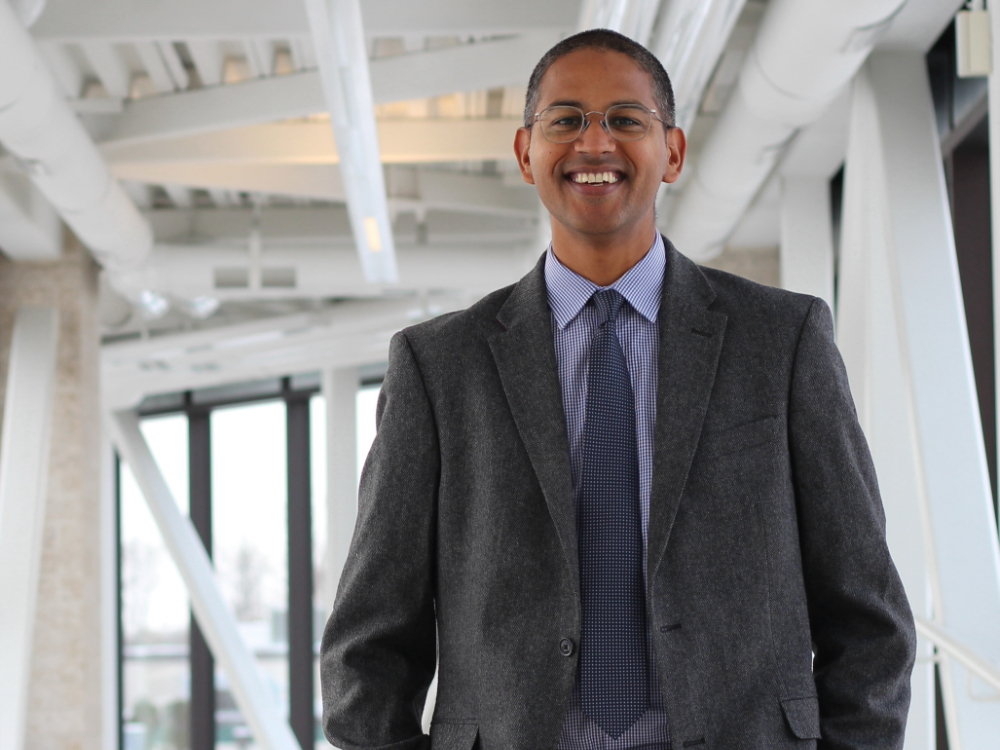
Dr. Sunder John Boopalan, Assistant Professor of Biblical and Theological Studies
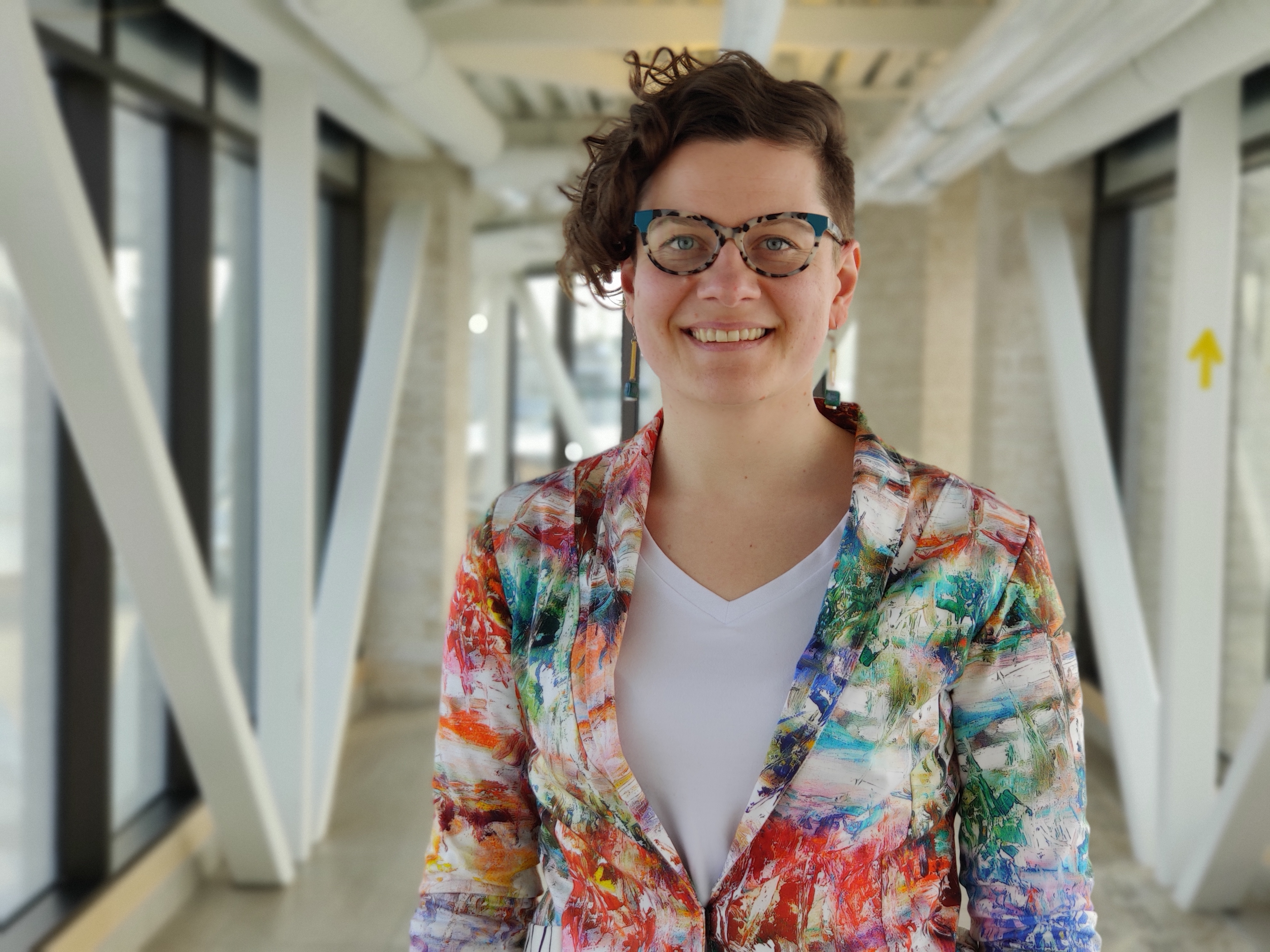


Michelle Yaciuk, Assistant Professor of Music Therapy
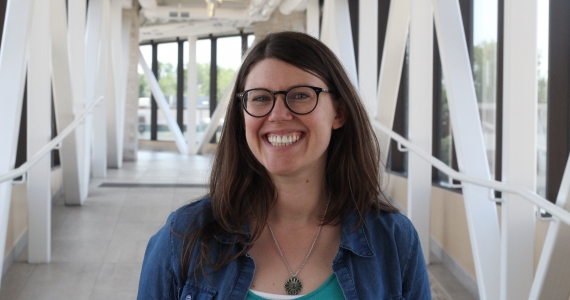
Lee-Anne Dowsett, Assistant Professor of Music Therapy
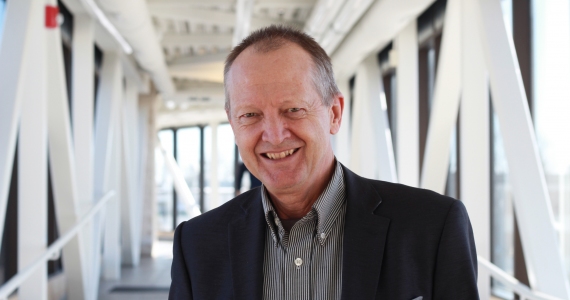
Dr. Gordon Zerbe, Professor of New Testament

Dr. Brian Froese, Associate Professor of History

Dr. Christine Longhurst, Assistant Professor of Music and Worship
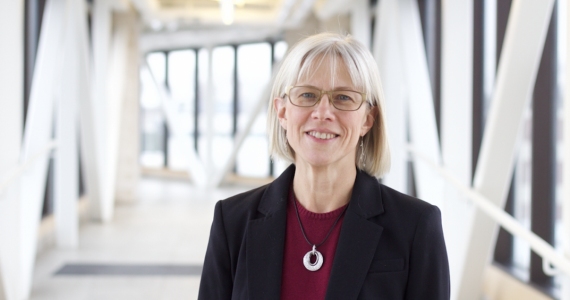
Dr. Sheila Klassen-Wiebe, Assistant Professor of New Testament
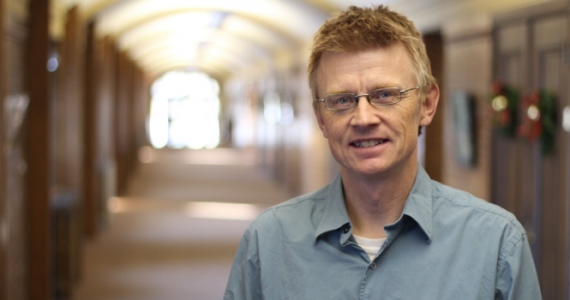
Dr. Chris Huebner, Associate Professor of Theology and Philosophy

Dr. Rachel Krause, Assistant Professor of Biology
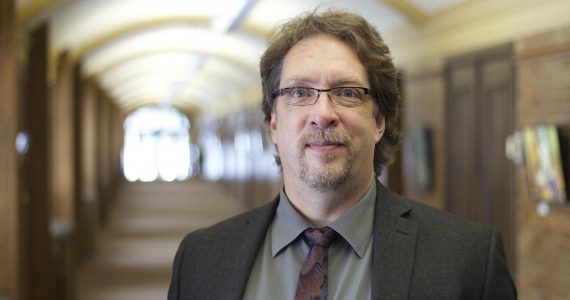
Dr. Delmar Epp, Associate Professor of Psychology
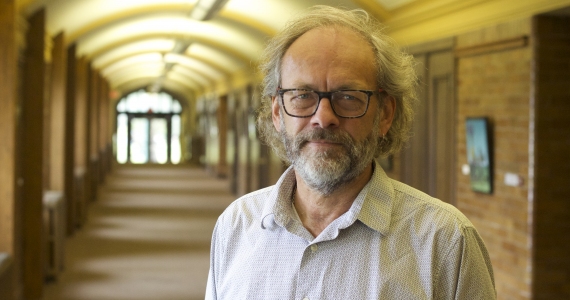
Dr. Paul Doerksen, Associate Professor of Theology and Anabaptist Studies
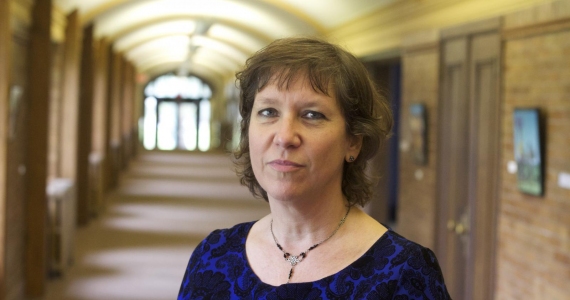
Dr. Sue Sorensen, Associate Professor of English
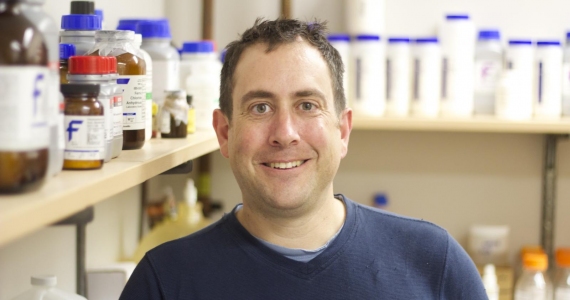
Dr. John Brubacher, Assistant Professor of Biology
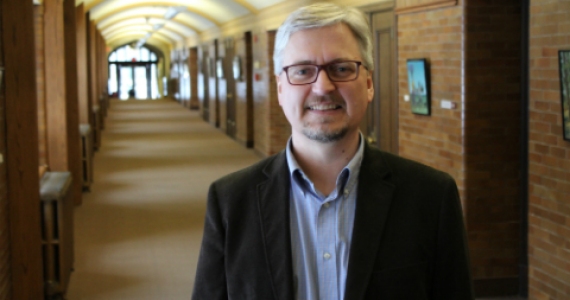
Dr. Paul Dyck, Professor of English
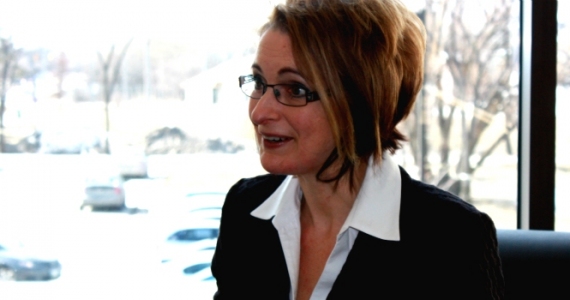
Dr. Janet Brenneman, Dean, School of Music; Associate Professor of Music
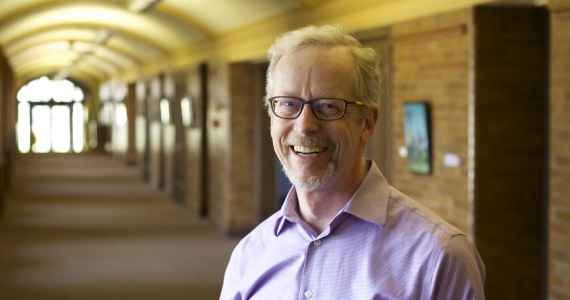
Prof. Andrew Dyck, Assistant Professor of Ministry Studies

Dr. Candice Viddal, Assistant Professor of Chemistry and Physics
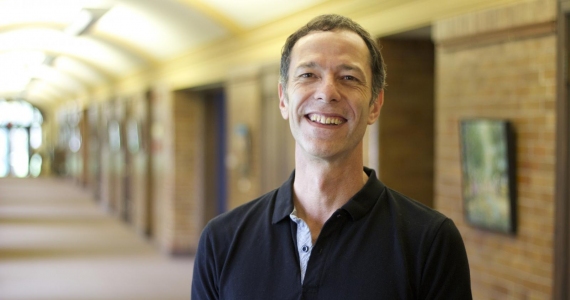
Dr. Tim Rogalsky, Associate Professor of Mathematics

Dr. Wendy Kroeker, Assistant Professor of Peace and Conflict Transformation Studies
Kenton Lobe, Instructor in International Development Studies