

Jobb Arnold
Associate Professor of Psychology
Program(s): Psychology
Email: jarnold:@:cmu.ca
Phone: 204.953.3871
Office: S149
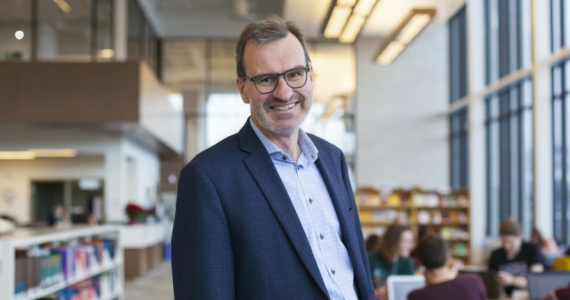
Dr. Jobb Arnold is Associate Professor of Psychology at Canadian Mennonite University. His research explores the psychological and social processes through which individuals and communities make sense of changing circumstances, navigate conflict, and pursue cooperation, adaptation, and reconciliation.
Drawing on comparative research in Canada, Rwanda, Northern Ireland, and Zimbabwe, his work examines how collective identities, shared meanings, social relationships, and institutional arrangements shape responses to social and environmental change. Integrating perspectives from social and cultural psychology, peace and conflict studies, and interdisciplinary research, he is particularly interested in the conditions that enable communities to sustain cooperation and constructive relationships amid uncertainty, division, and change.
Alongside his academic research and teaching, Dr. Arnold engages in applied peacebuilding and community-based initiatives, connecting scholarly inquiry with practical efforts to strengthen social cohesion, address conflict, and support more resilient and inclusive communities.
Areas of Teaching
Social and Cultural Psychology; Political Psychology; Psychology of Conflict and Communication; Peace and Reconciliation; Trauma, Resilience, and Adaptation; Genocide and Mass Violence
Education
PhD - Cultural Studies, Queen's University (2014); MA - Psychology, University of British Columbia (2007); BA - Psychology, Lakehead University (2005)
Work in Detail
Teaching
Foundations in Psychology and Conflict Studies
- PSYC 1010 – Introduction to Psychology
Conflict, Communication, and Social Dynamics
- PSYC 2950 – Conflict and Networked Communications
- PSYC 3040 – Political Psychology
- PSYC 3050 – Cultural Psychology
Peace, Violence, and Psychosocial Processes
- PSYC 3950 – Peace Psychology
- PSYC 2960 – The Psychology of Immorality
Research
A. Current and Recent Research
Configurations of Coherence: Comparative Perspectives on Conflict, Reconciliation, and Social Change
Ongoing research and scholarly book project examining the psychosocial, cultural, and relational foundations of reconciliation through comparative studies of Canada, Rwanda, and Northern Ireland.
Psychosocial Adaptation and Conflict among Rural Farming Communities in Zimbabwe (2023–2026)
Research undertaken through Locally led Indigenous Nature-based Solutions for Climate Change Adaptation in Zimbabwe (LINCZ), a Global Affairs Canada–supported initiative led by Mennonite Central Committee, with Canadian Mennonite University as a research partner. Dr. Arnold's work examines psychosocial responses to drought and environmental uncertainty, cultural understandings of environmental change, adaptive and maladaptive coping, and the social dynamics of cooperation and conflict. https://www.lincz.ca/
Peace Professionalism Project (Ongoing)
Researcher with the Peace Professionalism Project, a SSHRC-funded international research partnership examining the competencies, practices, and institutional conditions that contribute to effective peacebuilding. The project connects research, professional practice, and policy to strengthen peacebuilding capacities, evaluation, and education.https://peaceprofessionalism.com/
Indigenous–Settler Dynamics, Environmental Change, and Adaptation in Hydro-Impacted Communities (Ongoing)
Co-investigator with the Wa Ni Ska Tan Alliance of Hydro-Impacted Communities, an Indigenous-led, SSHRC-supported community-academic research partnership. His collaborative research examines Indigenous–settler relationships, community adaptation, and the social and environmental consequences of hydroelectric development in Manitoba.https://hydroimpacted.ca/
B. Selected Peer-Reviewed Publications
-
Arnold, J. D. (2023). Conflict and reconciliation in Canada: Antagonism and agonistic peacemaking. Journal of Transdisciplinary Peace Praxis. https://jtpp.uk/wp-content/uploads/2023/08/JTPP-X-15082023-Abridged-Version.pdf
-
Arnold, J. D. (2019). Salutogenesis and the prevention of social death: Cross-cultural lessons from genocide-impacted Rwandans and Indigenous youth in Canada. Genocide Studies and Prevention: An International Journal, 13(3), 145–162. https://doi.org/10.5038/1911-9933.13.3.1682
-
Arnold, J. D. (2018). Bare nature and the genocide–ecocide nexus -- The conditions of general threat and the hope of cultural adaptation: The case of Canada's tar sands. Space and Culture, 21(1), 18–32. https://doi.org/10.1177/1206331217741808
-
Arnold, J. (2011). A psychological investigation of individual and social transformations in post-genocide Rwanda. In R. Provost & P. Akhavan (Eds.), Confronting genocide (pp. 305–317). Springer. https://doi.org/10.1007/978-90-481-9840-5_19
-
Byrne, S., Arnold, J., Fissuh, E., Standish, K., Irvin, C., & Tennent, P. (2009). The EU Peace II Fund and the International Fund for Ireland: Nurturing cross-community contact and reconciliation in Northern Ireland. Geopolitics, 14(4), 630–652. https://doi.org/10.1080/14650040903141323
-
Byrne, S., Standish, K., Arnold, J., Fissuh, E., & Irvin, C. (2009). Economic aid: The end of Phase II and the impact on sustainable peacebuilding in Northern Ireland. Journal of Intervention and Statebuilding, 3(3), 345–363. https://doi.org/10.1080/17502970903086743
-
Byrne, S., Standish, K., Fissuh, E., Arnold, J., & Tennent, P. (2009). Building the peace dividend in Northern Ireland: People's perceptions of self and country. Nationalism and Ethnic Politics, 15(2), 160–188. https://doi.org/10.1080/13537110902921206
C. Selected Conference Presentations
-
Drought, Drink, and Drug Use in Rural Zimbabwean Farming Communities: Assessing Adaptive and Maladaptive Coping to Climate Change. PEGASUS Institute Conference, Interconnected Futures: Pathways to Justice in Global Health, Peace, and Environmental Sustainability, University of Waterloo, 2026.
-
Who Brings the Rains? Integrating Satellite Precipitation Data and Indigenous Rainmaking Perspectives. Foundations for the Future of Rural, Brandon University, 2025.
-
Assessing Psycho-Social Adaptation and Conflict Resolution Capacities Among Rural Farmers in the Context of Extreme Drought. Foundations for the Future of Rural, Brandon University, 2025.
-
Why Peace Professionalism Matters in Uncertain Conflict and Development Contexts. Canadian Association for the Study of International Development (CASID), 2024.
D. Selected Applied Research and Public Scholarship
Public Scholarship and Media
-
Arnold, J. D. (2026). What we know shapes what we can do: Psychosocial adaptation to environmental change in Zimbabwe. LINCZ Learning & Research Hub. https://www.lincz.ca/hub/what-we-know-shapes-what-we-can-do-psychosocial-adaptation-to-environmental-change-in-zimbabwe
-
LeBlanc, K. (Producer). (2026). Psychosocial Readiness and Indigenous Knowledge. Digging In: Unearthing Stories of Climate Adaptation, Episode 3. Podcast interview featuring Jobb Arnold and LINCZ project partners. https://www.lincz.ca/news/digging-in-episode-three-psychosocial-readiness-and-indigenous-knowledge
Selected Applied Reports and Resources
-
Community Meth Response Training Manual (2020).
-
Enhancing Educational Outcomes for South Sudanese Refugee Youth (2020).
-
Being Online During COVID-19 (2020).
-
Stewarding Sacred Seeds (NAIITS, 2020).
Applied
Dr. Arnold's applied work connects academic research and teaching with community initiatives, public policy, and international peacebuilding. His engagement focuses on strengthening collaborative responses to social challenges, fostering constructive relationships across differences, and translating interdisciplinary research into practical approaches to conflict, adaptation, and social change.
Academic and Program Leadership
-
Adjunct Professor, PhD Program in Peace and Conflict Studies, University of Manitoba (2017–present)
-
Program Coordinator, MA in Peacebuilding and Collaborative Development, Canadian Mennonite University (2019–2024)
-
Practicum Advisor, Conflict Resolution Studies, Menno Simons College (2016–2019)
Community Engagement and Policy Advisory Work
-
Manitoba Public Safety Training Strategy Steering Committee, Clunis Consulting (2023–2024)
-
Indigenous–Settler Working Group, Evangelical Fellowship of Canada (2019–present)
International and Collaborative Experience
-
Postdoctoral Research Fellow, The Affect Project, University of Manitoba (2015)
-
Networks Advisor, Resilience Research Centre, Dalhousie University (2013)
-
Research Analyst, European Union Monitoring and Evaluation, Northern Ireland (2008–2009)
-
Good Governance Project, United Nations Development Programme (UNDP), Rwanda (2005)
Community
Dr. Arnold collaborates with community organizations, public institutions, and interdisciplinary partnerships to support constructive responses to conflict and social change. His engagement emphasizes dialogue, collaborative problem-solving, and relationship-building across cultural and social differences, particularly in Indigenous–settler–newcomer relations and community responses to complex social challenges.
Selected Community Initiatives and Partnerships
-
Indigenous–Newcomer Sector Table, Immigration Partnership Winnipeg (2015–present). Participation in collaborative initiatives supporting Indigenous–newcomer relationships, intercultural understanding, and community integration.
-
Community Meth Response Initiative. Development and delivery of interdisciplinary community education and training, bringing together insights from conflict resolution, psychology, public health, and community-based practice to support constructive responses to methamphetamine-related challenges.
Selected Community Workshops
-
Conflict in the Workplace, Career Trek, Manitoba (May 2025). Staff training workshop addressing workplace conflict, communication, and constructive approaches to conflict resolution.
Faculty: In Their Own Words
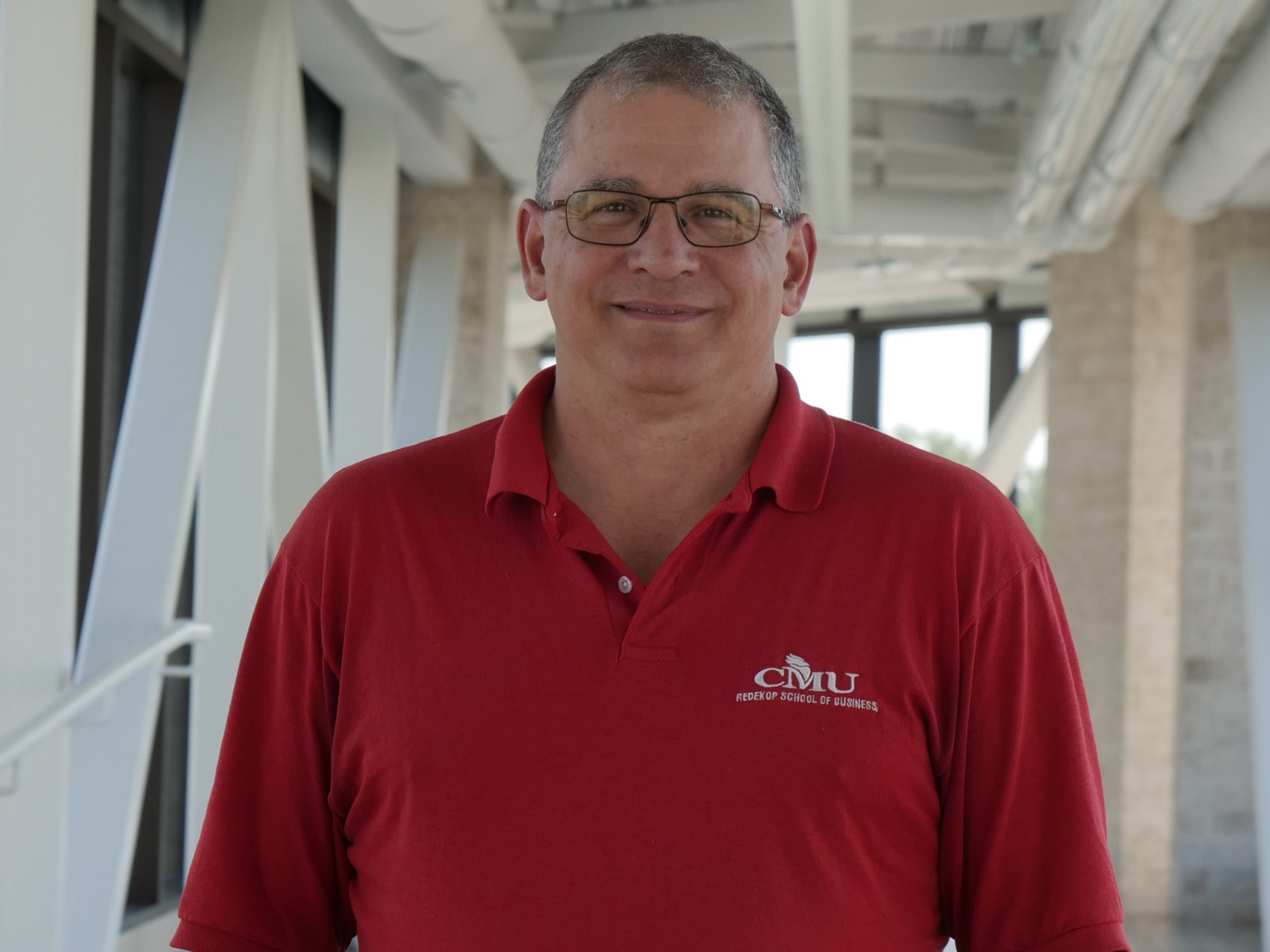
Dr. Craig Martin, Assistant Professor of Business and Program Coordinator for the MBA program
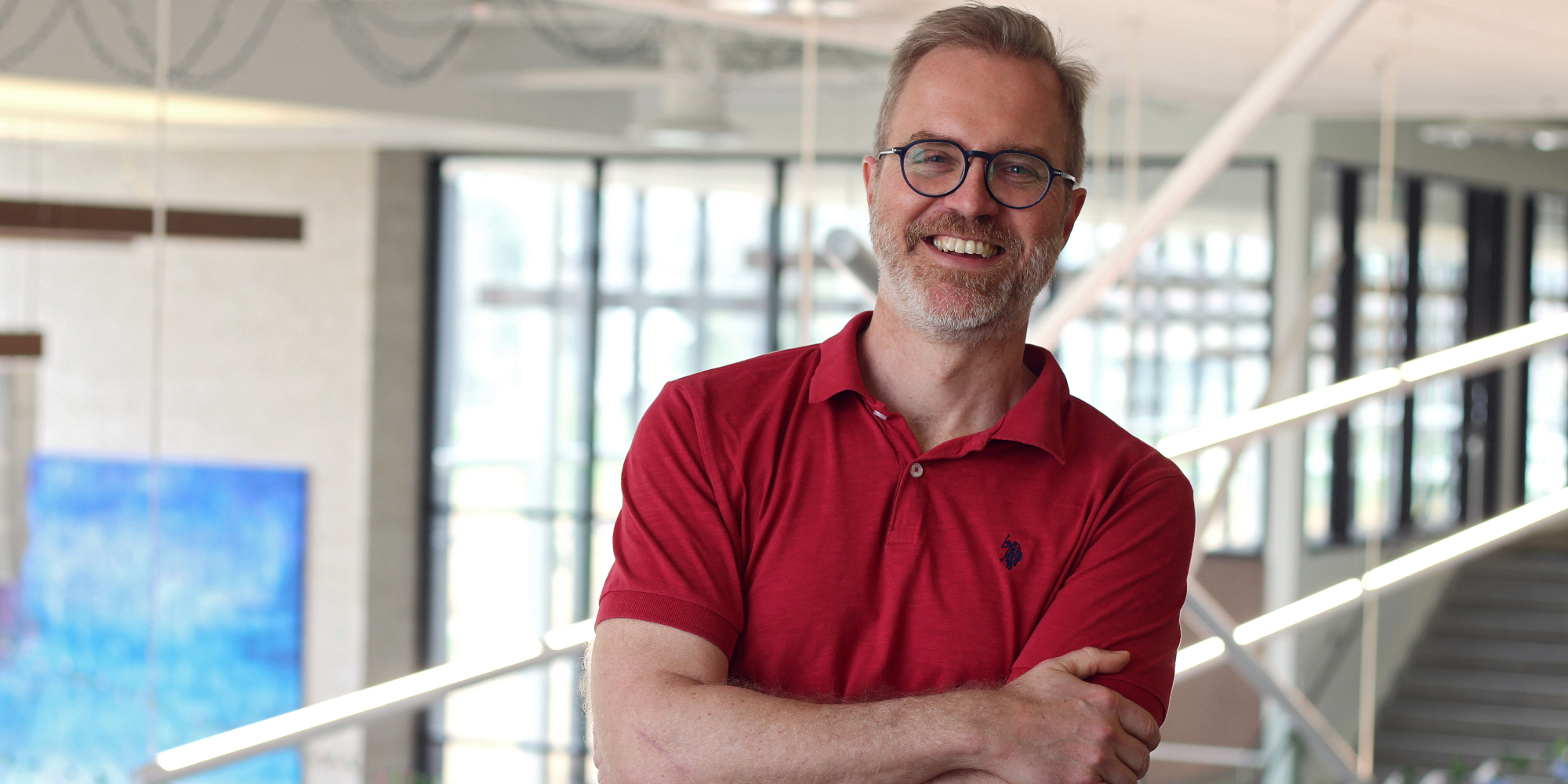
Dr. Alex Sawatsky, Professor and Chair of Social Work
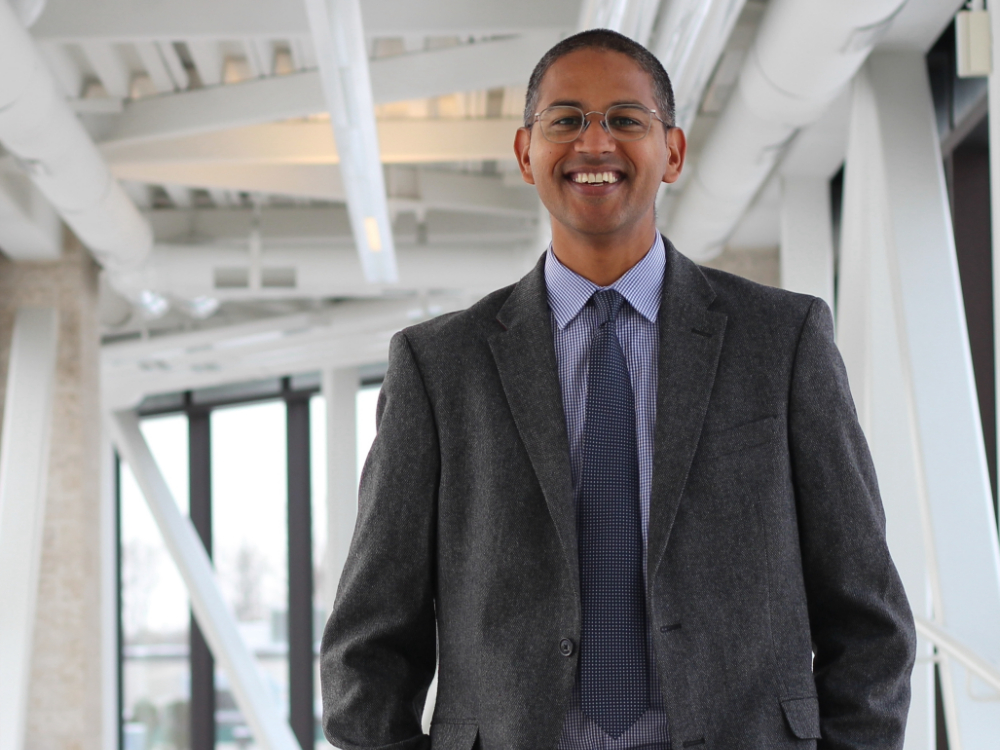
Dr. Sunder John Boopalan, Assistant Professor of Biblical and Theological Studies
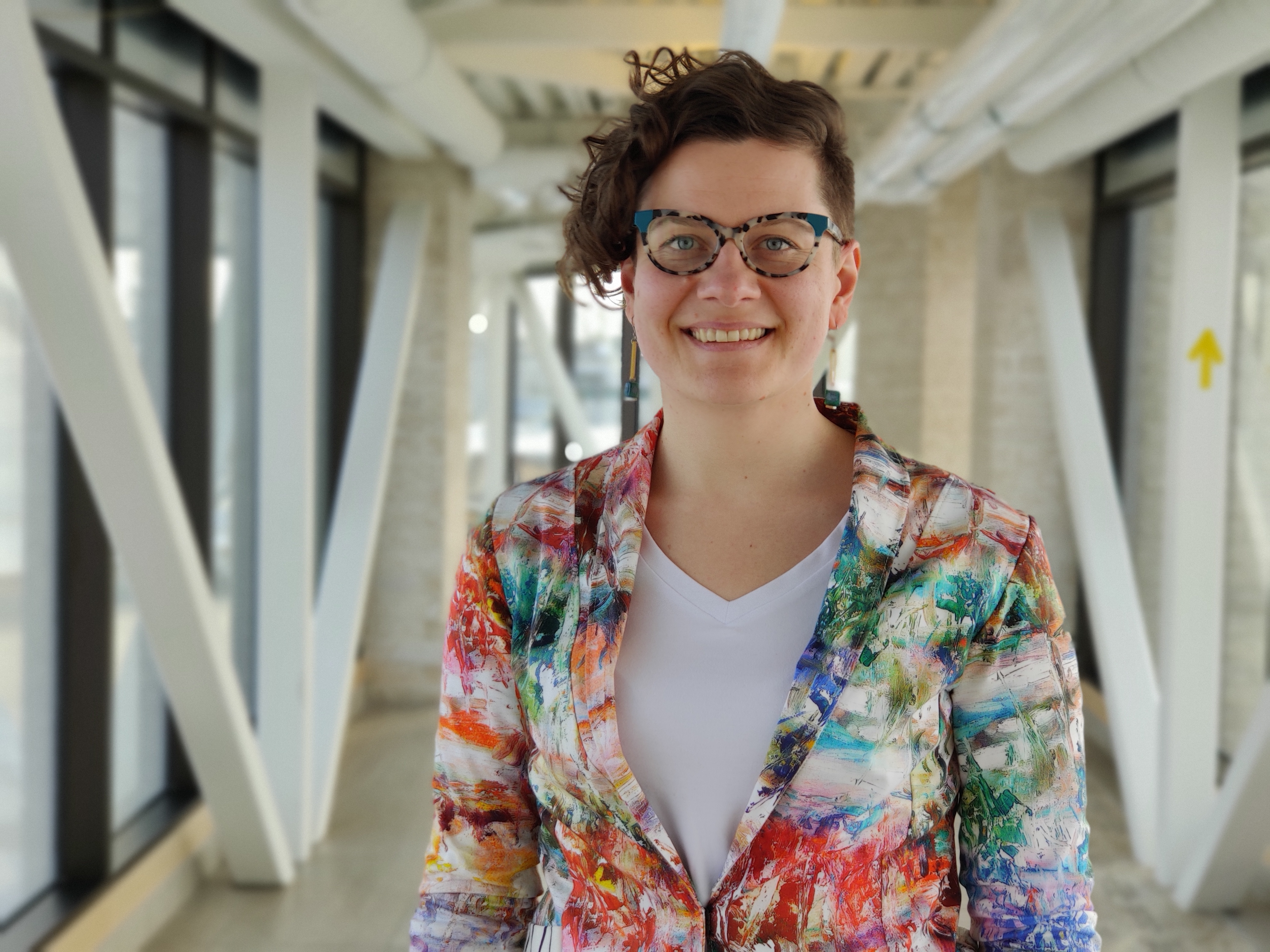
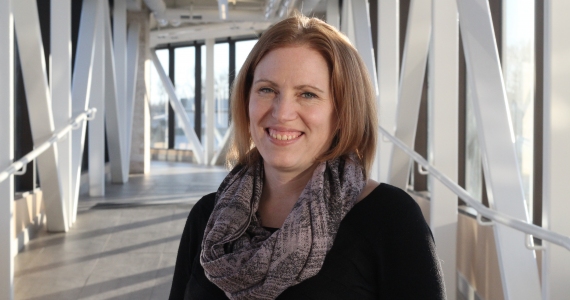
Michelle Yaciuk, Assistant Professor of Music Therapy
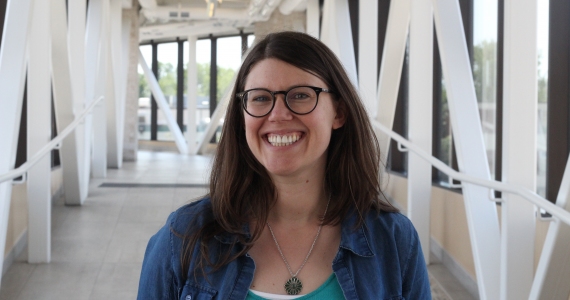
Lee-Anne Dowsett, Assistant Professor of Music Therapy
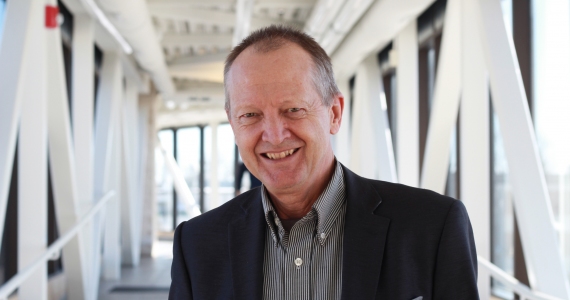
Dr. Gordon Zerbe, Professor of New Testament
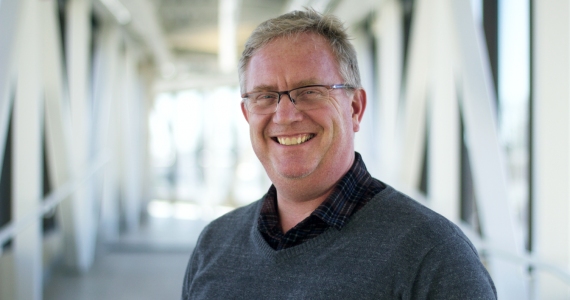
Dr. Brian Froese, Associate Professor of History
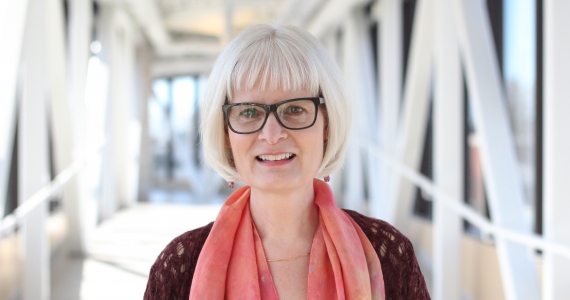
Dr. Christine Longhurst, Assistant Professor of Music and Worship
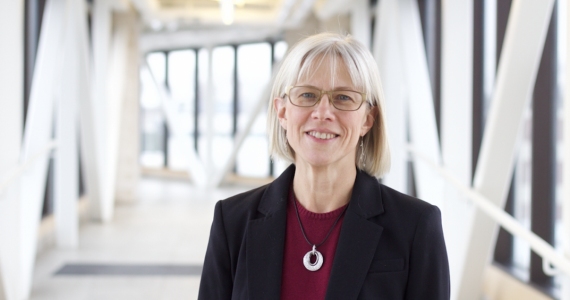
Dr. Sheila Klassen-Wiebe, Assistant Professor of New Testament

Dr. Chris Huebner, Associate Professor of Theology and Philosophy

Dr. Rachel Krause, Assistant Professor of Biology
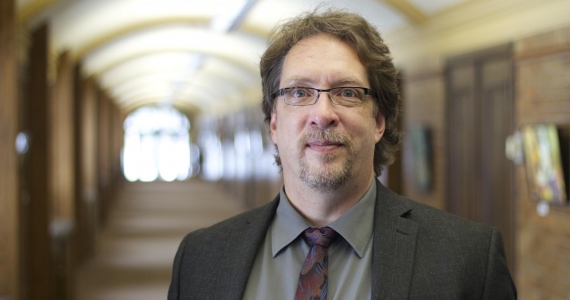
Dr. Delmar Epp, Associate Professor of Psychology
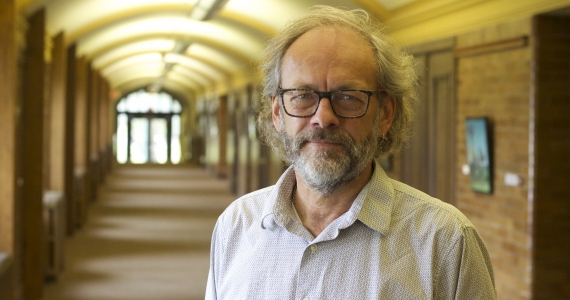
Dr. Paul Doerksen, Associate Professor of Theology and Anabaptist Studies
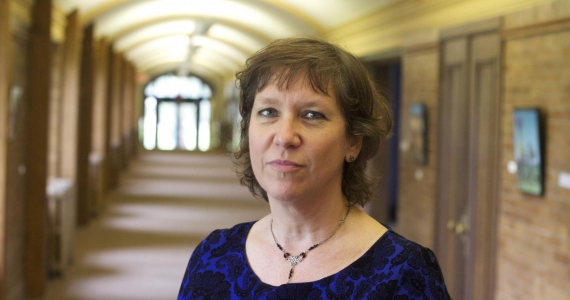
Dr. Sue Sorensen, Associate Professor of English
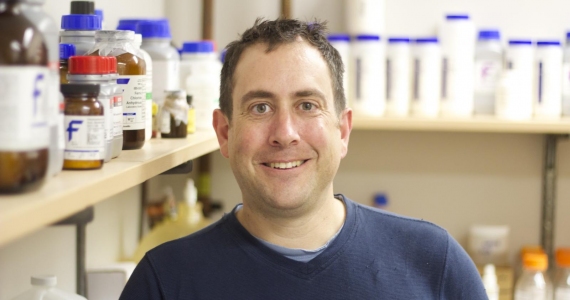
Dr. John Brubacher, Assistant Professor of Biology
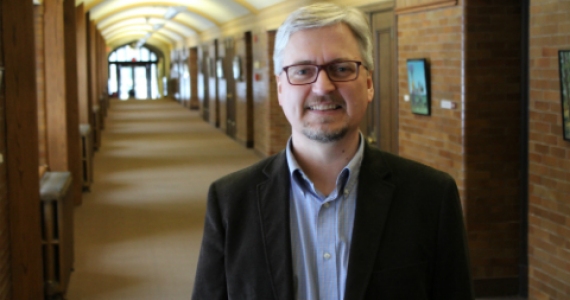
Dr. Paul Dyck, Professor of English
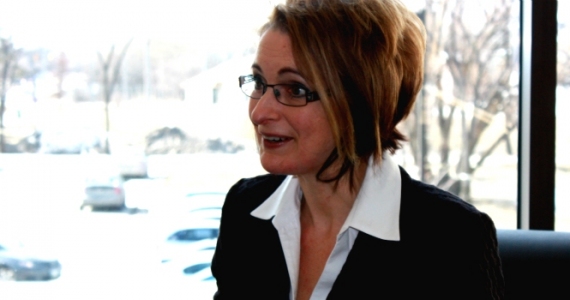
Dr. Janet Brenneman, Dean, School of Music; Associate Professor of Music
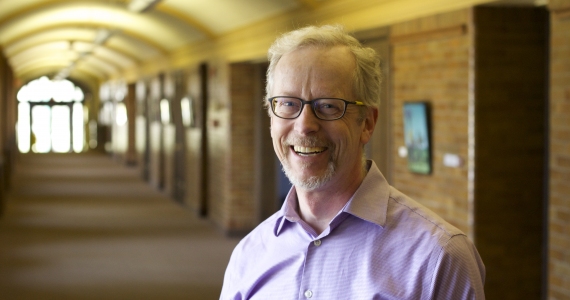
Prof. Andrew Dyck, Assistant Professor of Ministry Studies
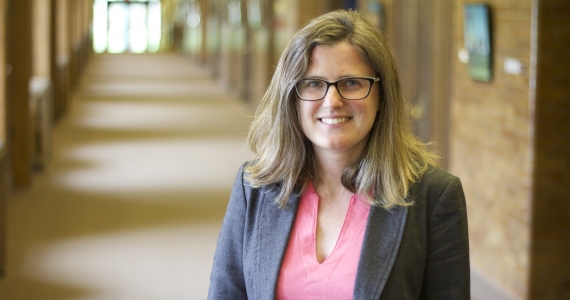
Dr. Candice Viddal, Assistant Professor of Chemistry and Physics
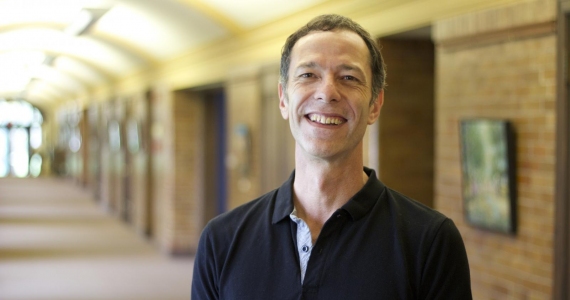
Dr. Tim Rogalsky, Associate Professor of Mathematics
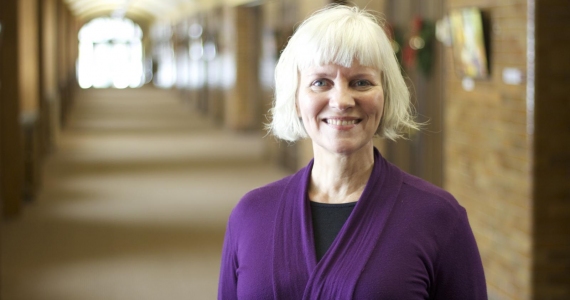
Dr. Wendy Kroeker, Assistant Professor of Peace and Conflict Transformation Studies
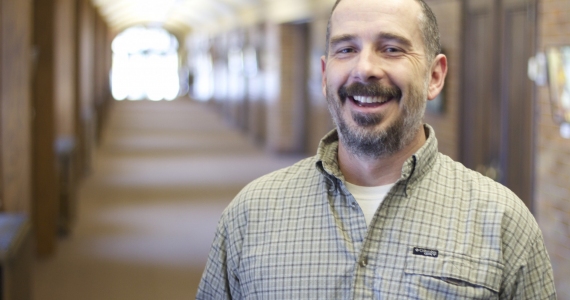
Kenton Lobe, Instructor in International Development Studies