




Past Courses
Browse through past Xplore courses below.
Winter 2026 (February 17 – March 24)
10:00–11:00 AM CT | Hybrid Class
The Book of James
In the 16th century, Reformer Martin Luther called the letter of James an “epistle of straw.” Despite this dismissive characterization, the letter continues to be a favourite for many Christians. With its memorable imagery and straightforward instruction, James makes Christian faith practical and relevant for daily life. Although he mentions Jesus rarely, James echoes the teachings of Jesus throughout his letter, guiding the church to live more faithfully as Jesus’ followers. And yet, living out the vision of Christian discipleship set out by James is anything but easy or simple. The difficulty with James is not so much understanding what he says but living this way. In this series we will explore how we as a church can help each other live as followers of Jesus, with the guidance of the letter of James. We will begin with an introduction to the book, setting it in its historical and literary context and looking for the voice of Jesus. In subsequent sessions we will examine several key themes in the letter and conclude with a survey of how James has been read through the centuries. Our goal will be to reflect on how this letter can and does shape faithful Christian discipleship today.
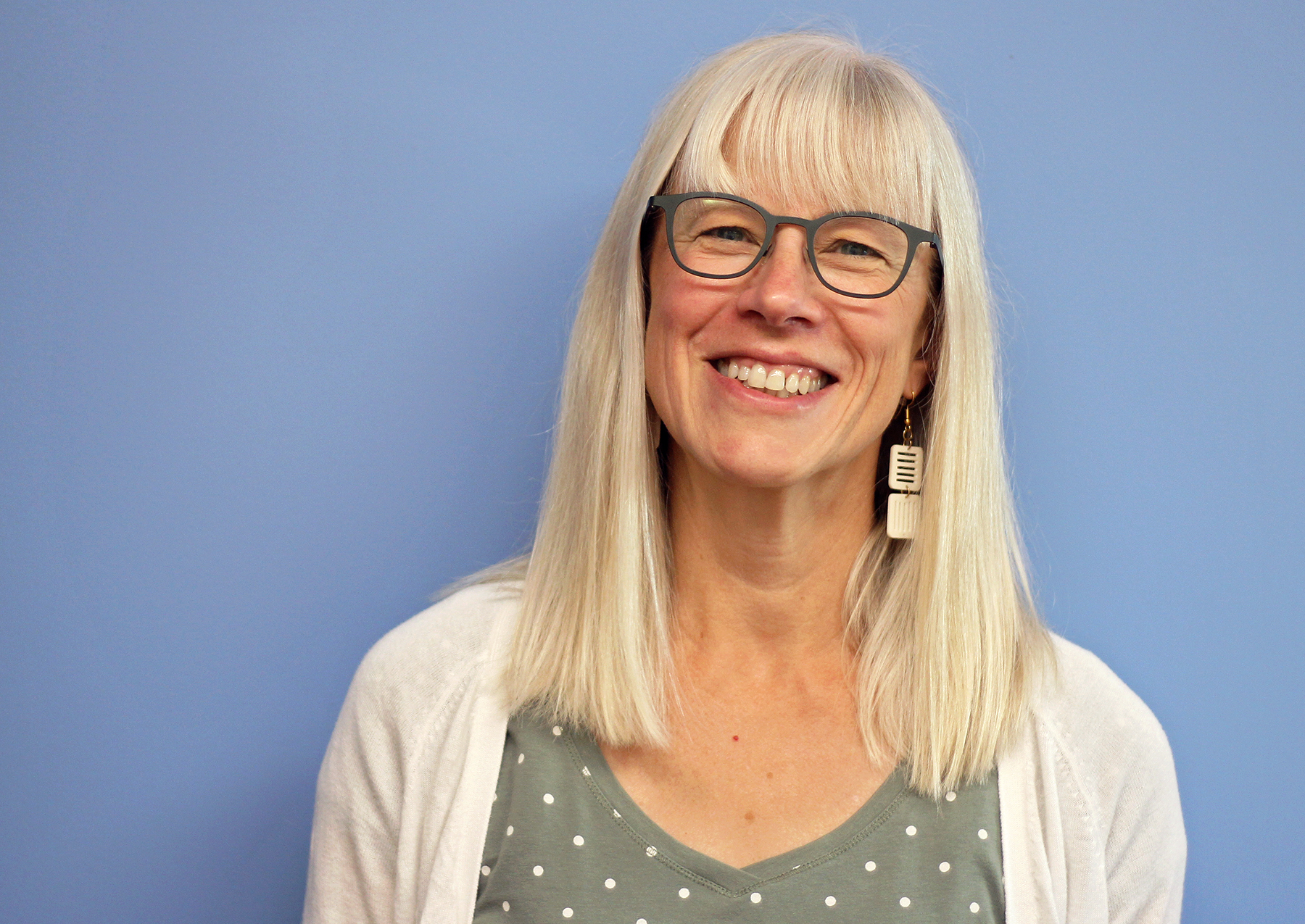
Dr. Sheila Klassen Wiebe has been teaching at CMU and before that at Canadian Mennonite Bible College since 1993. Although most of her teaching and writing has been Jesus and the Gospels, she recently completed a commentary on the letter of James for the Believers Church Bible Commentary series (forthcoming in February). Sheila treasures relationships with students and is enthusiastic about making the Bible come alive for people. Her home congregation in Winnipeg is Charleswood Mennonite Church. She is married to Vern, and they have three young adult daughters. Sheila finds joy in getting her hands dirty in the garden, walking in the forest, camping, making decadent desserts, reading novels, and spending time with family and friends.
10:00–11:00 AM CT | Hybrid Class
Thinking About Death and Dying: How Does One Prepare?
This course will feature different resource persons who will bring their professional expertise and help us think through important issues as we face the inevitable. Many of us are in denial and we procrastinate important conversations with family and loved ones, and put off plans we need to make until “later” (sometimes when it is too late). These issues are important to consider at every age, since the unexpected can happen, but might take on an urgency in older age. They concern matters of estate planning—legalities like wills and powers of attorney as well as medical issues such as health care proxies and directives, medical care options, advance care planning, MAiD, and options for funerals and memorials.
We will also address the spiritual aspects of death, how we can find support and support others who have experienced the death of a loved one or are living with a terminal diagnosis, and what to keep in mind when we ponder our own mortality.
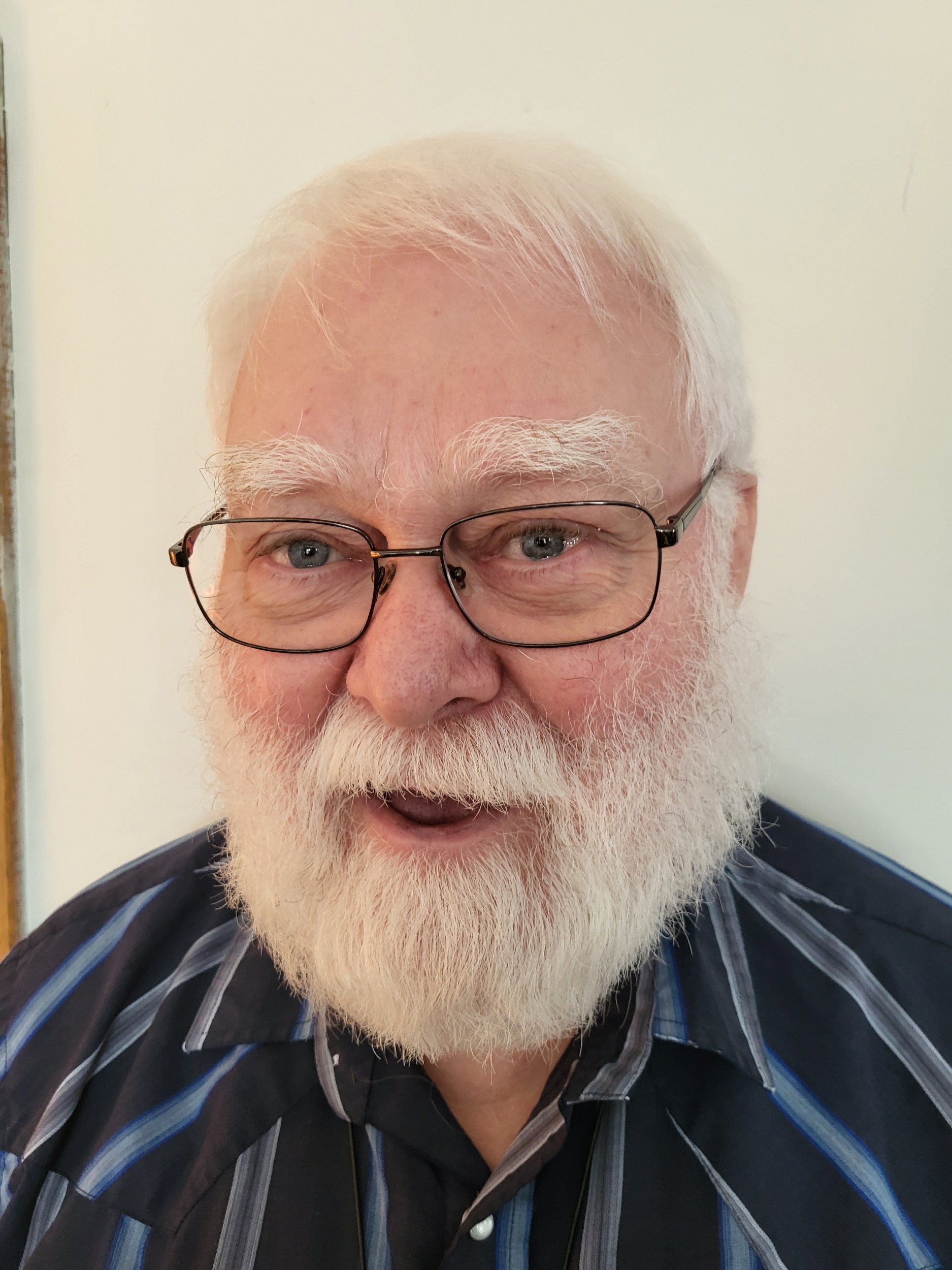
Erwin Warkentin (Wark) is a graduate of CMBC (a predecessor college of CMU) and has worked as a lawyer, an administrator, a mediator, and a pastor. Throughout his life he has observed many people and families as they come to terms with the reality of death—their own or that of a loved one. He will introduce this course, and will be followed by other professionals and lay people as they contribute to this exploration of an event that we will each face sooner or later.
11:30 AM – 12:30 PM CT | In Person Only
The AI Revolution
Artificial Intelligence has rapidly become a major force reshaping everyday life—how we work, learn, create, and understand the world around us. In this course, we’ll explore the history of AI, the breakthroughs that made today’s systems possible, and the new ethical and social questions they raise.
Together we’ll look at what AI is (and what it isn’t), how tools like ChatGPT and image generators actually work, and why so many people are both excited and uneasy about rapid change. We will consider AI’s impact on personal life, employment, society, the environment, and global politics, and we’ll examine the “alignment problem”: the challenge of ensuring advanced AI is a trustworthy partner in a shared world.
No background in computing is expected. The goal is to leave participants with a grounded understanding of today’s AI landscape, and a richer sense of how this revolution invites us to engage this moment with curiosity, humility, and hope.
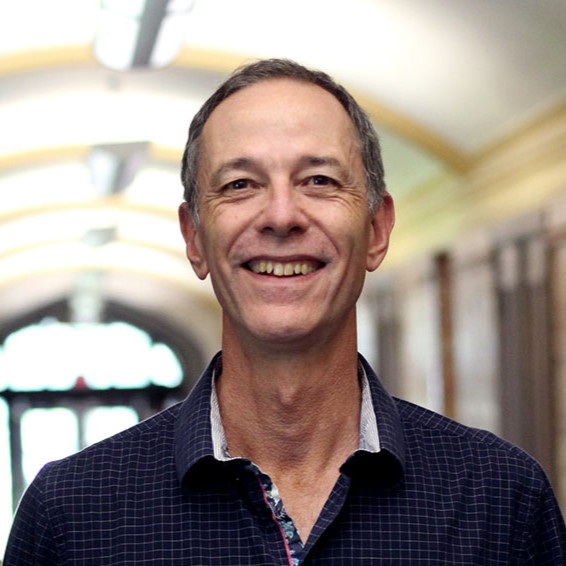
Dr. Tim Rogalsky teaches mathematics at CMU, where his work increasingly focuses on helping students and the wider community understand today’s rapidly evolving AI landscape. His teaching blends clear explanation with hands-on exploration and discussion, encouraging learners to think critically together about how technology shapes society, the environment, and our relationships with one another.
Tim is an applied AI researcher whose projects span science, history, and education. He uses AI to help biologists understand how cancers might begin and to help geneticists trace big evolutionary patterns over millions of years of history. He is also building an AI-powered local-history chatbot for the Manitoba Historical Society and developing AI “tutors” to support student learning. In 2026, he will launch CMU’s new course The AI Revolution, designed to help students make sense of today’s rapidly changing AI world.
11:30 AM – 12:30 PM CT | Hybrid Class
Appeals from the Brink by and for the Mennonites in the Early Soviet Era
In the midst and aftermath of revolution, banditry, famine, disease and repression and on the brink of destruction as a community various appeals were made by and for the Mennonites in Ukraine from 1918 until 1926: appeals for national autonomy, for permission to emigrate, for permission to immigrate, for relief from famine and for religious toleration. Drawing upon hitherto over-looked original documents and photographs available in the Mennonite Heritage Archives, the backgrounds, authors, contents and consequences of these appeals will be described with illustrated presentations. Parallels to current appeals by Canadian Mennonites for other communities will be considered.
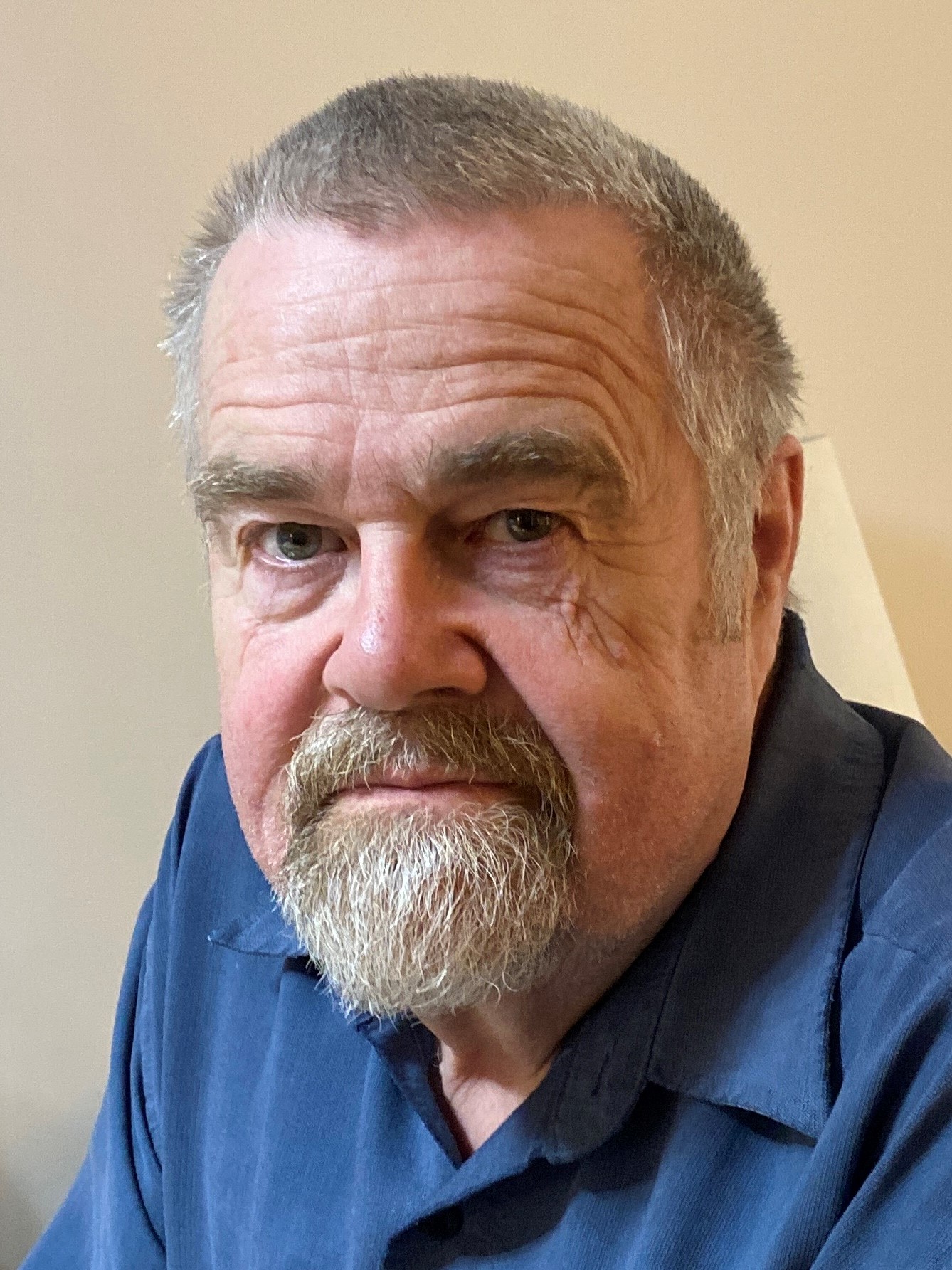
Peter Rempel has been an Administrator for Mennonite archival, church, service, and mission organizations at provincial, national and international levels from the 1970s to the 2020s and an amateur historian of Mennonites with numerous short articles and book reviews." Peter graduated from CMBC with a BTh, and from the University of Manitoba with a BA and MA in History. Work responsibilities included Administrative Assistant with MCC Canada (1976-1981), Assistant Director with MCC Europe (1981-1986), Executive Director with MCC Manitoba (2005-2012, 2015-2016), Coordinator for Africa and Europe for Commission of Overseas Mission (1993-2000) and Mennonite Church Canada Witness (2000-2005). Archival work included Assistant and Interim Archivist at Mennonite Heritage Center (1988-2005). Presently member of Charleswood Mennonite Church (1995-present).
Wednesdays: February 18 – March 25
9:30–10:30 AM CT | Zoom Only
Nationalism and militarism: Temptations & options for the church
Nationalism and militarism are modern phenomena. While violence, warfare, and competition between societies have existed for millennia, the specific form they take in the modern era presents the church with a unique set of temptations, opportunities, and challenges for discernment.
This course will look at nationalism and militarism through three lenses: theological, historical, and practical. Theologically, the course will probe the roots of nationalism and militarism in our nature as social beings—created by God for mutual aid, but not for violence. Historically, the course will trace the evolution of modern nationalism and militarism, highlighting their uniqueness to a technological and democratic era.
Finally, the course will explore the practical options available to the Church for engaging with nationalism and militarism in our time. Are there ways to participate in nationalism that remain faithful? And are there ways of defending our countries that are nonviolent?
Isaiah Ritzmann is a Peace & Advocacy Associate with Mennonite Central Committee Ontario. A graduate of Conrad Grebel University College at the University of Waterloo (MTS, 2015), Isaiah spent ten years as a community educator at The Working Centre in Kitchener, ON, where he developed and taught classes such as the Diploma in Local Democracy (exploring “democratic relationships in everyday life”) and the Diploma in Ecological Economics. Isaiah co-founded and co-led the Open Homes Network in Kitchener-Waterloo (2017–2024), a network of families hosting and providing shelter for newly arrived refugee claimants. He recently co-founded and co-facilitates the Canadian Coalition for Nonviolent Defense, a group that seeks to promote the use of nonviolent resistance as an alternative to military defense policies. He lives in Toronto, ON.
11:00 AM – 12:00 PM CT | Zoom Only
Revelation: Hope in a time of Turmoil
The Book of Revelation is a visually and theologically rich portrayal of how Jews and Christians experienced the Roman empire in the first century. Warfare, persecution, idolatry, narcissistic rulers, environmental degradation, rampant greed, and abuse of government power depicted in John the Seer's vision seem hauntingly relevant for our time. Even more relevant is Revelation’s presentation of a sovereign and redeeming God who promises to “make all things new.” This apocalyptic book offers welcome spiritual guidance and robust hope for the church today.
Dr. J. Nelson Kraybill, whose books include Apocalypse and Allegiance: Worship, Politics, and Devotion in the book of Revelation and Stuck Together: the hope of Christian Witness in a Polarized World. Nelson has served as pastor in three congregations and leads annual study-pilgrimage groups to Bible lands with TourMagination.com. He was Programme Director of the London Mennonite Centre (1991-1996), President of Anabaptist Mennonite Biblical Seminary (1997-2009), and President of Mennonite World Conference (2015-2023). He and wife Ellen live in Elkhart, Indiana.
Thursdays: February 19 – March 26
11:00 AM–12:00 PM CT | Zoom Only
Theologies of Trauma and Healing
Where is God when we suffer not only loss and grief, but unspeakable traumas such as sexual abuse, natural disasters, or genocide? This course will explore recent theologies that integrate trauma theory into their notions of suffering, forgiveness, redemption, and the cross, pointing out both harmful and healing aspects of Christian faith and practice for those who have experienced trauma. Classes will focus on a variety of examples of individual and collective traumas, from the biblical narratives of Hagar and Job, to theological interpretations of martyrdom and Jesus’ crucifixion, to intergenerational traumas of colonialism, war, and displacement. Alongside our look at biblical and theological concepts, students will be encouraged to apply our learning in practical and/or congregational settings, reflecting on the role of faith communities in adapting our theologies, worship, and pastoral care to address traumatic experiences and work toward healing.
Dr. Susanne Guenther Loewen is a theologian and university instructor based in Saskatoon. She teaches Peace Studies at St. Thomas More College at the University of Saskatchewan and has previously worked as a pastor in the Mennonite church and taught courses for CMU, including the Canadian School of Peacebuilding. She holds a PhD in theologies of the cross from the Toronto School of Theology and is currently working on a book: Making Peace with the Cross: An Anabaptist Feminist Theology of Redemptive Compassion (T&T Clark). She lives with her spouse and two children, and can often be found knitting, reading novels, or walking her dog in all kinds of weather.
11:30 AM – 12:30 PM CT | Zoom Only
The AI Revolution
Artificial Intelligence has rapidly become a major force reshaping everyday life—how we work, learn, create, and understand the world around us. In this course, we’ll explore the history of AI, the breakthroughs that made today’s systems possible, and the new ethical and social questions they raise.
Together we’ll look at what AI is (and what it isn’t), how tools like ChatGPT and image generators actually work, and why so many people are both excited and uneasy about rapid change. We will consider AI’s impact on personal life, employment, society, the environment, and global politics, and we’ll examine the “alignment problem”: the challenge of ensuring advanced AI is a trustworthy partner in a shared world.
No background in computing is expected. The goal is to leave participants with a grounded understanding of today’s AI landscape, and a richer sense of how this revolution invites us to engage this moment with curiosity, humility, and hope.
Dr. Tim Rogalsky teaches mathematics at CMU, where his work increasingly focuses on helping students and the wider community understand today’s rapidly evolving AI landscape. His teaching blends clear explanation with hands-on exploration and discussion, encouraging learners to think critically together about how technology shapes society, the environment, and our relationships with one another.
Tim is an applied AI researcher whose projects span science, history, and education. He uses AI to help biologists understand how cancers might begin and to help geneticists trace big evolutionary patterns over millions of years of history. He is also building an AI-powered local-history chatbot for the Manitoba Historical Society and developing AI “tutors” to support student learning. In 2026, he will launch CMU’s new course The AI Revolution, designed to help students make sense of today’s rapidly changing AI world.
Fall 2025 (September 23 – November 6)
Tuesdays: September 23 - November 4
11:00 AM –12:00 PM CT | Zoom Only
The Practice of Tension: An Upside-Down Look at Depolarization
In addition to theory, theology, and songs to soothe polarized hearts, this course will include live conversations between people with differing views on matters such as COVID restrictions, politics, big ag, solar power, and abortion (topics yet to be confirmed).
After discussing the mechanics of de-polarization and spiritual paths to tolerance, participants will practice the arts of curiosity and humility as they witness and interact with contentious conversations.
The course will be particularly well suited to people who feel ill-at-ease at either end of the ideological spectrum and/or who want to build their capacity to respond with greater equanimity to people with opposing views.
Will Braun, along with his wife and two teenage sons, live on a subsistence-oriented farm among some big oaks near Morden, Manitoba. He currently serves as editor of Canadian Mennonite magazine. Braun, whose writing has appeared in the Winnipeg Free Press, the Globe and Mail and religious publications from six denominations, has often interviewed people whose beliefs he does not share, including prominent Zionists, right-wing politicians, truck convoy organizers, pro-industry Indigenous leaders, and Trump supporters.
Wednesdays: October 1 - November 5
10:00–11:00 AM CT | Hybrid Class (at CMU or on Zoom)
Life Writing: How to Tell your Stories
This class will focus on the nature of life writing. It will include presentations on various issues and challenges involved in life writing, including the reasons we choose to engage in this kind of writing, the ‘audience’ we write for, the ethical dilemmas that sometimes arise, and the potential pitfalls such as narcissism; it will also include a discussion on the rewards afforded by this kind of project. As well, practical suggestions on how to structure life writing will be offered. Examples of life writing by various writers will be included in each class, in order to expand our thinking on this topic. Time will also be given for general discussion, as well as for sharing our own writing with fellow classmates and appreciating their feedback.
Mary Ann Loewen is the editor of two collections of memoir writing: Sons and Mothers and Finding Father, both published by the University of Regina Press. She has taught Academic Writing at both the University of Winnipeg and Canadian Mennonite University. She currently teaches Life Writing and Literature courses at the McNally Robinson Bookstore in Winnipeg. She loves to read, to cook and to cycle, and to hang out with her family. She has three grown children and three fiercely interesting grandchildren. She lives in Winnipeg.
10:00–11:00 AM CT | Hybrid Class (at CMU or on Zoom)

The Anabaptists at 500: A Popular History
This course compares and contrasts a top-down church history and a bottom-up social history approach to Anabaptist history in the sixteenth century. Special emphasis is given the social conditions that spawned Anabaptism and the ordinary folks who comprised the movement, including those of artisans, women, and anti-clerical theologians.
Royden Loewen is the former Chair in Mennonite Studies and current Senior Scholar at the University of Winnipeg. His research and writing ranges from local history in Manitoba, settler history across Canada and global environmental history of the Mennonites. He is father to Rebecca, Meg and Sasha, proud grandfather to Remy, Kay and Sid and husband to Mary Ann. The Loewens are active members of the Fort Garry Mennonite Fellowship. Royden owns and operates a certified organic farm at Steinbach and revels in life in the outdoors.
11:15 AM – 12:15 PM CT | Hybrid Class (at CMU or on Zoom)
Understanding Roman Catholicism, the Augustinians, and Pope Leo XIV
An examination of the development and significance of Catholicism from early Christian history to modern-day globalism. This course includes a focus on major events and ideas that shaped much of the Western world including an exploration of the 267th Bishop of Rome, the current Pope of the Roman Catholic Church. We will examine how his current mission, style and personality have been influenced by his longstanding membership in the Augustinian religious order—a community of clergy dedicated to “live together in harmony, being of one mind and one heart on the way to God” founded upon the rules of Saint Aurelius Augustine, the Bishop of Hippo (354-430).
An alumnus of the University of Manitoba, University of Winnipeg, and the University of Ottawa, Dr. Michael Caligiuri earned several degrees in the sciences and humanities, with a PhD in Religious Studies. Joining St. Paul’s College at the University of Manitoba as a Research Fellow and as an instructor in the department of Catholic Studies and the department of Religious Studies, his special areas of focus include religious and secular bioethics, issues in body modification, cybernetics, nanotechnology, as well as death and religion in the media.
11:30 AM – 12:30 PM CT | Hybrid Class (at CMU or on Zoom)
Daniel: Grappling with the Challenges of Living within Empire
Daniel is a biblical book worth dusting off in our time because it focusses on living faithfully in the midst of the oppressive and idolatrous forces of empire. Through its engaging stories about the faithfulness of Daniel and his friends under pressure, followed by Daniel’s (complex and confusing) apocalyptic visions, the book invites faithful readers to reflect on questions like: how much can we cooperate with and serve the empire, where and when must we draw the line and refuse to obey the empire’s demands, what spiritual practices can nurture a faith capable of resisting the idolatrous demands of empire, what does the sovereignty of God look like in the face of evil political powers, how can we live and what can we hope for when the world is in the grip of monstrous evil forces.
Dan Epp-Tiessen is retired from teaching Bible and theology at CMU after twenty-six years. He is grateful for ongoing opportunities to live out his vocation of teaching and preaching the Bible and Christian faith, especially without assignments to mark in the evenings. Dan is active in solidarity efforts to resist Israel’s settler-colonial oppression of Palestinians and its genocide in Gaza. Dan enjoys gardening, birdwatching, camping, biking, exercising, and spending time with his wife Esther as well as their children and grandchildren.
Thursdays: October 2 – November 6
9:30–10:30 AM CT | Zoom Class

Retirement and Beyond!
As we age, we find ourselves asking new questions and looking for new insights. How will I know when it is time to retire? What will I do with myself if work does not fill my days? What is important in how I look back on my life and look ahead to the end of my life? What does my legacy look like and how do I want to be remembered? How do I accompany those who are dying and grieving, and prepare for death myself?
These questions and more will be posed for reflection and discussion as we explore different viewpoints and wisdom around the second half of life! Many spiritual writers, as well as those in the fields of social psychology and aging, have much to offer as we manage this time in our lives. Join us as we learn together how to lean into this chapter of our living with grace and passion!
Michelle O’Rourke RN MA has a background in Emergency Nursing, Hospice Palliative Care, Lay Ministry and Parish Nursing. Her career included the design and development of the Chatham-Kent Hospice, serving as the Program Coordinator for both the Hospice and the Palliative Care and Oncology Departments at the Chatham-Kent Health Alliance until her retirement.
Michelle is the author of three books, including Befriending Death: Henri Nouwen and a Spirituality of Dying (Orbis 2009). She lives in Chatham, ON and enjoy speaking, writing and inspiring others. She currently serves as a Trustee with the Henri Nouwen Legacy Trust. Her website is selahresources.ca.
11:00 AM – 12:00 PM CT | Zoom Class

The Book of Ruth: Change, Challenge, and New Life
In the Bible, the book of Ruth is not only the story of one woman. It’s a story that embraces an entire community and that can speak powerfully into our lives today. What can we learn from those who are socially vulnerable like Ruth and Naomi? What can we learn from those who have wealth and social status like Boaz? What can we learn from the community that surrounded them? As we explore these questions together, each session will include time for teaching, reflection, sharing, and discussion, with a view to the changes, challenges, and new life we face today.
April Yamasaki is a pastor, author, editor, and spiritual formation mentor. She currently serves as resident author with Valley CrossWay Church in Abbotsford, BC, editor of Rejoice! daily devotional magazine, and is a frequent guest speaker for churches and in other settings. Her books include Hope Beyond Our Sorrows, Four Gifts, Sacred Pauses, and This Ordinary, Extraordinary Life. Learn more at aprilyamasaki.com.
Winter 2025 (February 18 – March 27)
Tuesdays: February 18 – March 25, 2025
10:00–11:00 AM CT | Hybrid Class

2SLGBTQ+ in Church: Further Stories and Perspectives
How can we in the church learn to accept and include queer people in more loving ways? Can we bridge the gap between heart and theology when our hearts signal compassion but theology signals rejection? This class continues on from the 2024 Xplore course with an expanded planning team and presenters. Session topics will be more related to pastoral care questions and the practical realities of being queer, or being an ally, in a congregation that might be "all over the map" on this topic. Throughout the course there will be relevant scientific data presented to provide context to the discussions.
Note: A year ago in the winter semester, we offered a course LGBTQ in Church: A Conversation. The course we are offering this coming semester is a stand-alone course and does not require attendance in the previous class. While there may be some review of what was offered a year ago, it is a continuation of this conversation so we hope past participants as well as those who did not attend that course will sign up.
Planning Team: Janessa Nayler-Giesbrecht, Pastor at Jubilee MC; David Wiebe, retired MB Conference Executive and Educator; John Unger, retired Pastor and Past President of Concord College; Mal Fast, retired Neurologist; Gerald Loewen, Retired Clinical Psychologist.
10:00–11:00 AM CT | Hybrid Class
Six Wings and Full of Eyes: Angels in the World of Early Christianity
Is there anything more to angels than Christmas cards, chubby babies, or fair maidens with wings and white robes, soft-focused and gently glowing? Are we really to believe there are invisible people flying around working miracles? The conviction of early Christians that angels exist was not, in fact, some credulous, pre-scientific assertion that there are beings "out there" that you cannot perceive, but rather part of a coherent account of how the world is formed as a union of heaven and earth. Throughout our classes, we'll think together about the spirits God makes to be his angels, the flaming fire God makes to be his ministers; about the hosts of heaven and the divine council; about what it means for the Archangel Michael to be the "prince" of Israel and how God "set the boundaries of the nations / By the number of God's angels"; about seraphim and cherubim standing eternally before the throne of God, crying out to one another, "Holy, holy, holy is the Lord of hosts"; and about what all this has to do with humanity's vocation and destiny to be "Sons of God" (including bonus insights for eco-theology!).
Gregory Wiebe (PhD, McMaster University) is a Deacon in the Orthodox Church of America, a scholar of Augustine and the theology of the early Church, and an Adjunct Professor of Theology at CMU. He published Fallen Angels in the Theology of St Augustine with Oxford University Press, and has published articles with the Oxford Classical Dictionary, Studia Patristica, and Brill Publishers. He serves at St Nicholas Orthodox Church in Narol, MB, where he leads the Bible study. He is also the co-host of the podcast Men Among Demons.
11:30 AM – 12:30 PM CT | Hybrid Class
Talking about what no one talks about: Loneliness
Social isolation is an ever increasing problem in our world. With 1 in 3 experiencing loneliness at any given time, it is pervasive. As we discuss the global epidemic of loneliness, we lack the ability to discuss and move through loneliness on a personal level. Loneliness impacts physical and emotional health in profound ways. This course will seek to provide an understanding of the mechanisms of loneliness, the neuroscience of the brain in loneliness, current societal impacts on loneliness and introduce the UBUNTU model of addressing loneliness. Course format will involve small group discussion every week.
Carolyn Klassen is a therapist in Winnipeg, and speaker at Wired for Connection. Her many years of providing therapy provide her with a wealth of knowledge about people—including topics like grief, pain, anxiety, depression, joy and grace—and loneliness that are not easily or often spoken about in polite company. She has a Master's Degree in therapy and frequently appears on news programs as an expert on relationships and mental health. She taught for many years at the University of Manitoba, is an author, and attends The Meeting Place in Winnipeg, where she is a member of the teaching team and past elder. She is the course creator for TheLonelinessCourse.com
11:30 AM – 12:30 PM CT | Hybrid Class
Indigenous Spirituality and Christian Faith
How does Indigenous spirituality and the Christian faith relate biblically? That is the main question we will discuss as we explore the history of what the Christian church has said about Indigenous Peoples and the historical relations between Indigenous peoples and Christians. This will lead us to consider what could have been and explore how the relationship between Indigenous spirituality and Christian faith relationship can develop going forward.
The Rev. Vincent Solomon, a Cree from Norway House First Nation in Manitoba, serves as the urban Indigenous ministry developer for the Diocese of Rupert's Land (Anglican Church of Canada). Based in Winnipeg, Rev. Solomon is dedicated to bridging Indigenous spiritual practices and Anglican traditions, fostering healing and reconciliation within urban Indigenous communities. His work emphasizes culturally rooted ministry, relationship-building, and addressing spiritual and social needs. Passionate about Indigenous identity and faith, he advocates for justice, reconciliation, and understanding between Indigenous and non-Indigenous peoples. Through his leadership, Rev. Solomon brings wisdom, compassion, and a vision for inclusivity to his ministry, creating spaces where healing and spiritual growth can flourish. Rev. Solomon is also the Elder in Residence at CMU.
Wednesdays: February 19 – March 26, 2025
9:30–10:30 AM CT | Zoom Class
Luke's Quest Stories
(this class starts one week later and runs February 26–April 2)
The quest stories in Luke belong to a cycle of seven stories in which someone approaches Jesus in quest of something vital for human well-being. Some of these quests are for physical healing, other kinds of healing, for release from alienation, social ostracism or other common human plights. Three of them take place early in Jesus's Galilean ministry, three take place as he nears Jerusalem on his journey toward the cross. The last one, and the most poignant, takes place on the cross.
The motif of the quest, with its patterns of sifting priorities and overcoming obstacles along the way, can be a powerful prompt for our own spiritual reflection and growth as we move through the seasons of Lent and Easter. Join us as we study these Bible stories confessionally—or as though our lives depended on it.
Mary Schertz is Professor Emerita of New Testament at Anabaptist Mennonite Biblical Seminary, happily living and worshipping in Elkhart, Indiana. Mary recently completed the Believers Church Bible Commentary on Luke which is available from Herald Press at MennoMedia or in Winnipeg at CommonWord.
11:00–12:00 AM CT | Zoom Class

Re-membering Faith: Lessons from a Spiritual Health Practitioner in Long Term Care with People with Dementia
As dementia becomes more prevalent among older adults, so do the questions as family and friends try to navigate changing relationships with loved ones with dementia. Many care partners with people with dementia struggle to find meaning, purpose, and hope amidst an often-devastating brain disease. Research shows that spiritual and religious practices increase well-being and improve quality of life, adding a sense of meaning and connection to our lives. Drawing on best-practices in dementia care, story-telling, and personal experiences, this course will challenge commonly held myths about spiritual care with people with dementia; discuss themes of memory, faith, identity, and the role of the church; and teach skills for practicing spiritual reminiscence with loved ones with dementia. This course will focus on spiritual care practices within the Christian faith tradition.
Dr. Melanie Kampen works as a Spiritual Health Practitioner at Middlechurch Home of Winnipeg. She holds a PhD in Theology from the University of Toronto (2019) and is a CMU alumnus (2012). Dr. Kampen uses her expertise at the intersections of theology, ethics, and trauma theory to develop spiritual health programs and practices that are person-centered to promote well-being and connection between residents, family and friends, and community partners. In her free time, she enjoys playing tabletop role-playing games like Dungeons and Dragons, and Warhammer, and thinking about how these settings can offer a microcosm of the world to facilitate moral imagination for practicing justice and liberation.
Thursdays: February 20 – March 27, 2025
9:30–10:30 AM CT | Zoom Class
Theological Resistance in Troubled Times: The Compelling Witness of Dietrich Bonhoeffer
Dietrich Bonhoeffer's compelling Christian witness in the face of the atrocities of the Nazi regime is a source of inspiration for many. People of all convictions, who can agree on little else, often agree that the name Bonhoeffer is worth claiming for one's cause. The result is that Bonhoeffer's legacy has often been hijacked for a variety of divergent causes with little regard for what he actually said and did. This course will delve into the intersection of Bonhoeffer's biography and writings in order to bring to the surface his profound vision for what it means to follow Christ in confusing times.
Robert Dean serves as Associate Professor of Theology and Ethics at Providence Theological Seminary in Otterburne, Manitoba. He has previously taught courses at Tyndale Seminary, Wycliffe College, and in the Xplore program at CMU. His work is motivated by the question of exploring what it means for the church to be a faithful community of disciples in our contemporary post-Christendom Canadian context. As a result, his writing and interests have traversed the fields of systematic theology, theological ethics, pastoral theology, homiletics, worship and liturgy, and missional leadership – all in the interest of seeing theological reflection brought to bear on the concrete realities facing the church. Robert was a seminary student at the time of the attacks on the World Trade Center in 2001. Watching how Christianity, in the days that followed, was coopted in the United States to provide support for unjust wars in the Middle East led him to explore in his doctoral dissertation how the profoundly Christ-centered theologies of Dietrich Bonhoeffer and Stanley Hauerwas provided an antidote to Christian nationalism. While an Anabaptist sympathizer, Robert is an Ordained Minister in the Presbyterian Church in Canada.
11:00 AM – 12:00 PM CT | Zoom Class
Radical Roots, Diverse Branches
In 2025, Mennonites, Brethren, and other groups with Anabaptist roots are celebrating and reflecting on the 500th anniversary of Anabaptist origins. What better way to celebrate and reflect than by taking this short course exploring some of the events, people, writings, and theology of the original movement in Europe in the 16th century.
Radical comes from the Latin word for "root" and has also come to mean "unusual" and "extreme." The Anabaptist movement was an attempt to recover the roots of early Christianity. In doing this, Anabaptism broke from the usual way of being church, sometimes going to extreme lengths to do so.
How might the diversity of people, places, and theology of Anabaptist origins inspire our varied expressions of faith 500 years later?
Gareth Brandt recently published Radical Roots, a coffee table book of paintings, stories, and poems celebrating the 500th Anniversary of Anabaptist origins after teaching Anabaptist History and Theology to college students for 17 years. He is passionate about bringing the stories and people of 16th century Anabaptism to life for inspiration in our own time.
Gareth was born in Steinbach, Manitoba and has served Mennonite churches in Ontario, Manitoba, Saskatchewan, Alberta, and British Columbia as a congregational and denominational youth pastor and most recently as a college professor. He lives with his partner Cynthia in Abbotsford, BC and together they enjoy four adult children, three daughters-in-law, and one grandchild. You can follow his blog at www.garethbrandt.wordpress.com and listen to his poetry at youtube.com/@GarethBrandt.
Fall 2024 (October 1 – November 7)
Tuesdays October 1 – November 5, 2024
9:30–10:30 AM, on Zoom
Wisdom, Tension, and Conflict in the Gospel of John
The Gospel of John mesmerizes us with its simplicity. It is often the book gifted to new believers for their initial orientation to the Christian faith. Yet, if we search in academic libraries, we note that the commentaries on the 4th Gospel are much bigger and thicker than those of any of the other three Gospels. Why is this?
In this course we will open the Pandora’s box slightly to begin to see the complex, controversial, and conflictive nature of the fourth Gospel alongside its seeming simplicity. We will be surprised anew at the relevance of its Wisdom to our time and context.
Given the very brief time we will have together, we will look at episodes, themes, and passages that begin to help us understand this Gospel’s conflictual context from which its message emerges. We welcome your participation in this adventure.
Robert J. Suderman (Jack) and his wife Irene are both natives of Winkler, Manitoba, but are now members of First Mennonite Church in Kitchener, ON. Together they have a long trajectory of ministry in and for the Church. They have lived in Canada, USA, Costa Rica, Bolivia, and Colombia, always with a focus on pastoral/leadership training. Jack and Irene have also participated in pastoral/leadership training in Cuban churches for the last 36 years. Jack’s education includes BA and BEd degrees from the Universities of Winnipeg and Manitoba; a Master of Arts in Theology degree from the Associated Mennonite Biblical Seminaries in Elkhart, Indiana, and a Doctor of Theology degree from the Pontifical University Javeriana in Bogotá, Colombia. His Doctoral thesis focused on the Gospel of John.
Jack has taught at Westgate Mennonite Collegiate (Winnipeg), Rocky Mennonite School (Kitchener), and Rosthern Junior College (Rosthern) where he also served as principal. He has also served as the Executive Secretary of Mennonite Church Canada Witness and as the General Secretary of Mennonite Church Canada. Jack’s post-retirement appointment as “Missional Ambassador” for MC Canada opened the door to teaching in many countries in Asia, Africa, and Latin America, as well as work as Secretary and Chair of the Peace Commission of Mennonite World Conference.
Jack and Irene are presently enjoying retirement with friends, family, and church in Kitchener, Ontario.
Tuesdays October 1 – November 5, 2024
11:00 AM – 12:00 PM, on Zoom
Dreams and Dreaming—In Scripture and in Our Lives Today
In Scripture, God promises to pour out the Spirit: “Your young will see visions. Your elders will dream dreams” (Acts 2:17, cf. Joel 2:28). What might this mean for our dreaming today? What dreams do we have? How do we live wisely and well beyond our broken dreams?
This course will explore dreams and dreaming in Scripture, good dreams/bad dreams/broken dreams/God-given dreams, letting go of a dream, making room for a new one, learning to dream again, and living it out. Each session will include time for teaching, reflection, sharing, and discussion.
This course was first offered in Fall 2023 and will be updated for Fall 2024. "Thank you for a terrific class," wrote one participant. "It gave me a new appreciation for visions and dreams addressed in Scripture and also a broader understanding of my dreams. I especially found the class on the topic of when dreams are not realized helpful. Thank you for sending a summary of each class. I plan to review the notes again as there is much to reflect on."
April Yamasaki is a pastor, author, editor, and spiritual formation mentor. She currently serves as resident author with a liturgical worship community, edits a daily devotional magazine, has taken on a new role as a spiritual formation mentor, writes online and in print, and is a frequent guest speaker for churches and in other settings. Her published books include Four Gifts; Sacred Pauses; and This Ordinary, Extraordinary Life. In these and other ways, she is living her childhood dream of being a writer. At the same time, with the sudden death of her husband two years ago and in other circumstances of life, she is well acquainted with delayed, disappointing, and broken dreams.
Wednesdays October 2 – November 6
10:00–11:00 AM, hybrid classes
Exploring our Relationship with Grief
Grieving is a profound and influential experience that comes about when we encounter loss, a fundamental part of being human. We all have a relationship with grief. One of grief’s primary roles is to remind us of what is important and of value to us - when we are hurting, it’s easy to forget this.
Grief demands and requires our attention. And, as grief is painful, it is common to avoid, deny, and want to numb its presence. Problems such as mental health issues, addictions, and destructive conflict thrive in such environments. Therefore, it is helpful to engage with grief intentionally; our health and healing are dependent on this.
Throughout this interactive course, we will be shining a spotlight on our relationship with grief in order to engage in ways that contribute to health and healing. Together we will explore the following questions:
- How we are in this relationship with grief?
- How might this relationship with grief influence us?
- How do we want to be in this relationship?
- What can we learn from these experiences to better support others and best engage when we next encounter grief?
Much of John Koop Harder’s career has centred on working with people dealing with crisis and trauma. While he has a diverse counselling practice, he has particular interest and specialized experience in working with families and individuals impacted by grief, addictions, mental health and violence, post-war trauma recovery, gender/sexuality issues, and sexual abuse recovery.
John’s work has been deeply informed by his international experiences working with individuals and communities impacted by civil war and ethnic conflicts in Colombia, Albania, and Northern Ireland. John also has significant experience working with and learning from Indigenous communities in Canada’s North. Much of his learning about the dynamics of intergenerational trauma and resilience has been informed by his relationships in these contexts.
John is a Registered Social Worker and holds a Master of Social Work from the University of Manitoba.
Wednesdays October 2 – November 6
10:00–11:00 AM, hybrid classes
Coming to Terms with Christian Antisemitism
The church’s dreadful legacy of antisemitism is a history that few Christians know about and is a sin that the church has not yet adequately repented of. This course will explore how Christian theologians from the second to the fifth centuries used biblical texts to develop a deeply antisemitic theology that persisted into modern times. Christian antisemitism meant that for centuries Jewish communities across Europe were targets of demonization, persecution, expulsions, ghettoization, and wholescale massacres. Eventually Christian antisemitism evolved into various forms of secular antisemitism, one of which resulted in the Holocaust. The course will also explore how antisemitism was a major factor leading to the formation of the modern state of Israel and the resulting conflict with the Palestinian people. The course will consistently ask what appropriate contemporary responses might be to the legacy of Christian antisemitism.
Dan Epp-Tiessen, CMU Associate Professor Emeritus of the Bible recently retired from teaching Bible and other topics at CMU for the last 25 years. Prior to that he has been a pastor, Mennonite Central Committee worker, and homemaker. Epp-Tiessen's commentary Joel, Obadiah, Micah was published in the Believers Church Bible Commentary series in 2022. In recent years he has nurtured overlapping interests in the development of antisemitism, the rise of Zionism and the formation of the state of Israel, and Palestinian resistance to Israeli settler colonialism.
Wednesdays October 2 – November 6
11:30 AM – 12:30 PM, hybrid classes
The Great Oratorios
Join us for a journey through some of the greatest musical offerings to the Divine and discover the ways in which music has enhanced spiritual experiences over the last four centuries.
Treaty One-based tenor Nolan Kehler is a performer dedicated to collaboration and reconciliation. He recently made mainstage opera debuts in his home city of Winnipeg with Manitoba Opera as La Roche in Li Keur: Riel’s Heart of the North and with the Manitoba Chamber Orchestra as Oronte in Alcina. On the concert stage, Nolan sang tenor soloist roles in Bach’s Ascension Oratorio and Coffee Cantata in the Winnipeg Baroque Festival, and recently made his American debuts with American Bach Soloists in San Francisco and Emmanuel Music in Boston.
Nolan has also had the pleasure of working with Juno-nominated Cree composer Andrew Balfour on his compositions Captive and Nôtinikêw in performances with Winnipeg’s Dead of Winter at the Montreal New Music Festival, the Brandon University Chorale, and with Edmonton’s Chronos Vocal Ensemble.
When he is not performing, Nolan serves as Provincial Coordinator for the Manitoba chapter of Opera InReach, which aims to provide accessible opera education to schools from a wide variety of perspectives and backgrounds. Nolan can also be heard over the airwaves on CBC Radio One on the weekends across Canada introducing curated classical music selections.
Wednesdays October 2 – November 6
11:30 AM – 12:30 PM, hybrid classes
“Lord, Teach Us”: Learning from the Sermon on the Mount
The Sermon on the Mount (Matthew 5-7) has been a touchstone for Mennonites and all Anabaptists for 500 years. It is typically viewed as the core of Jesus’ teaching for discipleship, a concise description of what Jesus means for us to be and to do when he says, “Come, follow me.” Join us as we explore the Sermon with three objectives: 1) hearing Jesus’ blessings; 2) learning Jesus’ way of love; and 3) nurturing Jesus’ holy habits.
Michael Pahl (PhD, Birmingham, U.K.) is Executive Minister of Mennonite Church Manitoba. He has served as pastor of two congregations and as professor at colleges and universities in Canada, the U.S., and the U.K. He is the author of The Word Fulfilled: Reading the Bible with Jesus (Herald, 2024) and he blogs at www.michaelpahl.com.
Thursdays October 3 – November 7
9:30–10:30 AM, on Zoom
The Great Soviet Experiment: A Postmortem
In many ways, the most important events of the 20th century revolved around the Soviet Union. What happened there mattered, from the Russian Revolutions in 1917 to the Stalinist Revolution of the 1930s to the devastation of the Hitlerite invasion during World War Two and right up to dramatic collapse of the Soviet Union in 1991. Or take Soviet (and post-Soviet) leaders: Lenin, Stalin, Khrushchev, Brezhnev, Gorbachev, and more recently Yeltsin and Putin. All have all left their mark on our world, for good or bad. This lecture series explores the rise and fall of the Soviet Union, though it will also identify key themes from more recent events in Russia especially. The lecture material will be shaped by the specific interests of those enrolled, so come prepared to engage the material and the instructor. Though not the focal point of this course, Friesen will comment each week on how Mennonites experienced that time, that place.
Leonard G. Friesen is a professor of History at Wilfrid Laurier University in Waterloo Ontario, where he has been on the faculty since 1994. The child of a Mennonite refugee from the USSR, Friesen grew up in Ontario’s Niagara Peninsula. He studied at the Universities of Waterloo and Toronto. He also lived in the Soviet Union in 1987-88 (mid-point Gorbachev) where he was a graduate student at Leningrad (now St. Petersburg) State University. The author of several books, including most recently an overview history of Mennonites in Imperial Russia and the Soviet Union, Friesen has been to both Russia and Ukraine countless times over the decades, starting with language studies in Brezhnev’s time. He currently lives in Waterloo, Ontario with Mary, his wife of almost 47 years, where they stay busy with three married adult children and eight grandchildren.
Thursdays October 3 – November 7
11:00 AM – 12:00 PM, on Zoom
Learning About Biblical Characters and Events Through Art
Over the centuries artists have portrayed Biblical characters and events in surprising, unique, and interesting ways. In each session of this course, we will use a variety of approaches to look at artwork from the 1300s to the present that can give us new insight into the lives and stories of both more well-known and less familiar characters and events we find in scripture texts.
With MaryLou Driedger newspaper columnist, author, teacher, storyteller, librarian, and former art gallery guide.
Winter 2024 (February 20 – March 28)
Tuesdays: February 20 – March 26, 2024
9:30–10:30 AM CT

Family Today: Fractured Mess or Fractal Beauty (Zoom Class)
Family is at the center of political debate and acrimony. Religious and political conservatives tend to express concern that there is an assault on the traditional family. Those to the right fear progressive values and permissive practices weaken individual well being and the social structure necessary for stable political and religious institutions. Religious and political progressives are concerned that laws and practices that narrowly define family as a man and a woman and their binary children perpetuate patriarchal violence and curtail individual freedom in the expression of sexuality, gender, and love. Many political debates are fought on the battleground of the family.
The Bible itself provides surprisingly few examples of healthy, enduring families--at least, families that fit the modern Western myth. Nevertheless, family remains a central feature to individual identity, social organization, culture, and religious life. The church has played a role in fostering positive, enduring understandings of family. It has also played a role in perpetuating ethically harmful and theologically unsound understandings. Two questions motivate the material of this course: (1) How can the church play a positive role in supporting families without relying on a narrow understanding of the ideal family unit itself? (2) What definition of family needs to replace the antiquated and probably-never-accurate conceptions of the traditional, neclear famliy.
Andy Brubacher Kaethler pastors at Ottawa Mennonite Church in Ottawa, Ontario and is a Core Adjunct Faculty at Anabaptist Mennonite Biblical Seminary in Elkhart, Indiana.
11:00 AM – 12:00 PM CT
Reconciling Witness in a Polarized World (Zoom Class)
Ever get the sense that the church and the world are coming apart at the seams? Drawing from his 2023 book (Stuck Together: The Hope of Christian Witness in a Polarized World), Nelson Kraybill addresses the challenge and hope of conflicting perspectives in the Bible, ancient Judaism, the early church, and our world today. How can Christians sustain clear convictions and be part of God's plan to "unite all things in Christ"? This class will include reflections on Nelson's year as scholar-in-residence at Bethlehem Bible College in Palestine (2022/23) and his response to current violence in the Middle East.
Nelson Kraybill was President of Anabaptist Mennonite Biblical Seminary (1997–2009) and President of Mennonite World Conference (2015–2022). He served as a Mennonite pastor in Vermont, England, and annually leads tours to Bible lands with TourMagination.
Wednesdays: February 21 – March 27, 2024
10:00–11:00 AM CT
Creating a Spiritual Container for Values and Practices (Hybrid Class)
Have you ever gotten to the end of your day or week and wondered where the time went? Have you had an intention to get something done and the month slipped by without even getting started? Or have you woken up and wondered what to do with your day? Creating an intentional guideline to set priorities and values can help you with this. Have you ever felt like you’ve outgrown your current spiritual practices but don’t know what else you could do to deepen your relationship with God? Learning new ways to pray can reinvigorate your journey with the Holy One.
In this course, we will explore the ancient practice of living by a Rule of Life. This is not to be confused with “rules for life.” Think of a Rule of Life as a guideline or holy container to put your values and priorities, an accountability tool to help you get the important things into your regular habits. In each class, you will also have the opportunity to try a spiritual practice in an atmosphere of experiment and learning, taught by a trained, ordained, and experienced Spiritual Director. Come and be invigorated by joy!
This course is taught by Laura Funk who is a graduate of CMBC with a BTh and CMU with an MA in Christian Ministry. She is the founder of the ministry, Butterfly Journeys, and the author of People and Places of Sacred Interior Spaces. She has six years of experience in congregational ministry and 12 as a Spiritual Director. Funk is a member of Hope Mennonite Church in Winnipeg. She enjoys spending time in nature, crafting with fabric, yarn, glass, and wood. She has been working on her own Rule of Life for several decades. Most of all, she loves walking alongside people in their spiritual journeys at whatever age and stage of life.
10:00–11:00 AM CT
Walter Brueggemann: The Man, His Writing, His Contribution (Hybrid Class)
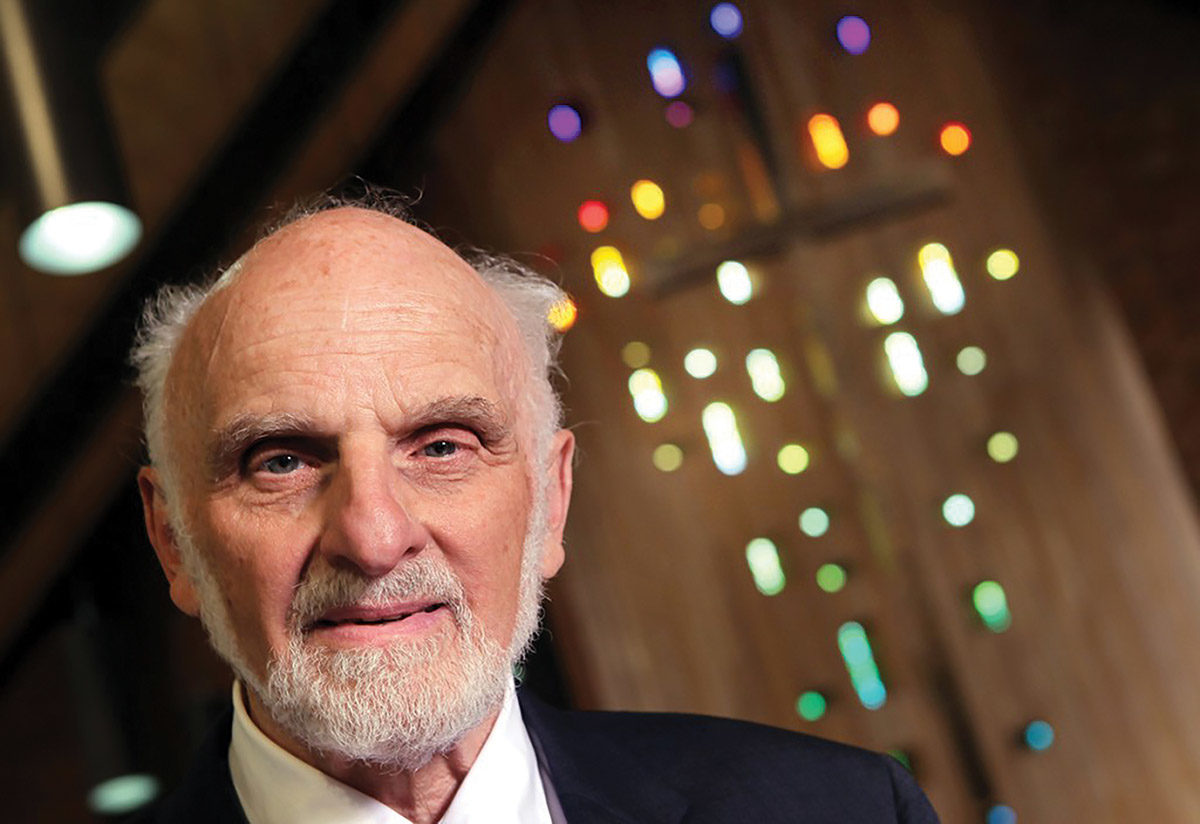
With more than 100 books to his name, Brueggemann is one of the most influential Biblical scholars of his generation, especially within the church. This course will identify what influences shaped him and his thinking, and then pay focussed attention to a few of his most important writings: The Land, The Prophetic Imagination (with a presentation by Dan Epp-Tiessen, CMU Associate Professor Emeritus of Bible), Theology of the Old Testament, The Psalms and the Life of Faith (with a presentation by Gordon Matties, CMU Professor Emeritus of Bible ). We will pay look at his major theological emphases, his way of reading Scripture, and consider his longer term contribution to Biblical scholarship and the church.
Gerald Gerbrandt, CMU President Emeritus and Professor Emeritus of Bible.
11:30 AM – 12:30 PM CT

LGBTQ in Church: A Conversation (Hybrid Class)
The landscape for queer people in both culture and church continues to shift. One thing consistent, however, is that queer people seek to know and follow Christ and desire to be included in the church. While a small percentage of people are completely convinced one way or another about whether and how to include queer people in church life—and to what extent—it seems a majority find themselves in the middle with more questions than answers. This course explores perspectives on this issue in the hopes of assisting participants in their own processing, with a view to opening doors to inclusion. Topics include important Bible passages, how our understanding of salvation, church and the role of the Holy Spirit might affect this issue, and thoughts from science and psychology. Guests include Mallory Fast (neuroscience) and Gerald Loewen (psychology) who will present in the session on March 13.
John Unger served as pastor in several Mennonite Brethren churches, and as president of Concord College during the transition to CMU. David Wiebe served the Canadian Conference of Mennonite Brethren Churches as Christian Education and then Executive Director, and the International Community of Mennonite Brethren (ICOMB). Both graduated in 1989 from MB Biblical Seminary.
11:30 AM – 12:30 PM CT
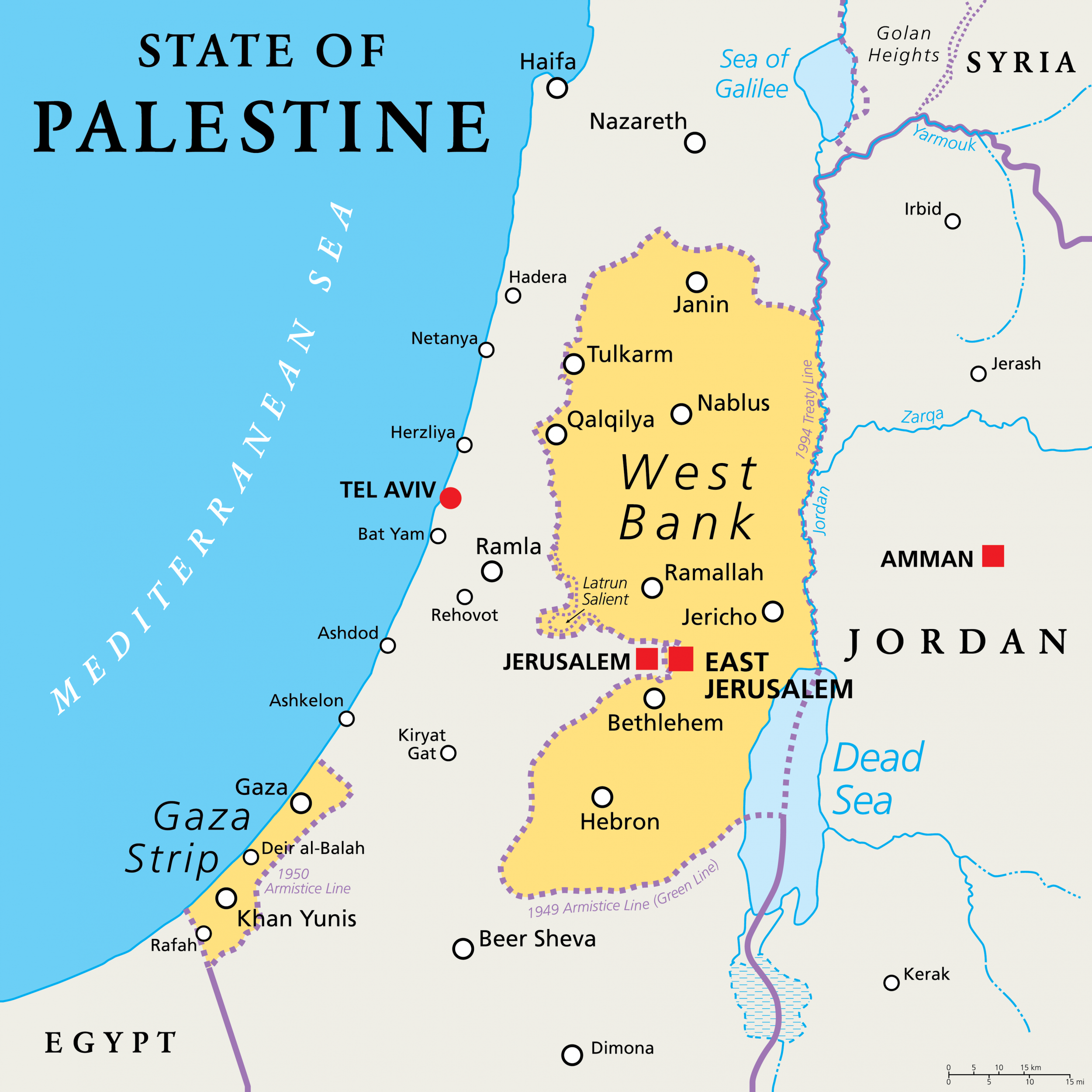
How Did We Get from the Bible to the War in Gaza (Hybrid Class)
This course will trace how the Bible has played a significant role in generating the war in Gaza in three different, yet intersecting ways.
- Seventeen-hundred years of Christian antisemitism, rooted in a variety of New Testament texts, led to centuries of widespread atrocities against Jews across Europe. This antisemitism sparked the Jewish Zionist movement which facilitated large-scale Jewish migration to Palestine in the early 20th century, with the goal of creating a Jewish state where Jews would be safe from oppression.
- God’s promises in the Bible to grant Israel the land of Canaan, have helped to nurture the Zionist conviction that Jews have an inalienable right to the land of Palestine. This conviction led to massive Israeli displacement and dispossession of Palestinians after the State of Israel was declared in 1948. Hamas’s horrific attack on Israel on October 7, 2023, is part of the wider Palestinian resistance—nonviolent and violent—to ongoing displacement and dispossession.
- The 20th century saw a burgeoning Christian Zionist movement that uses the Bible to argue that Christians must support the State of Israel no matter how it treats Palestinians. The current popularity and political clout of Christian Zionism in the United States is a major reason the American government supported Israel’s attack on Gaza and annually supplies Israel with billions of dollars of military aid.
Dan Epp-Tiessen, CMU Associate Professor Emeritus of the Bible recently retired from teaching Bible and other topics at CMU for the last 25 years. Prior to that he has been a pastor, Mennonite Central Committee worker, and homemaker. Epp-Tiessen's commentary Joel, Obadiah, Micah was published in the Believers Church Bible Commentary series in 2022.
Thursdays: February 22 – March 28, 2024
9:30–10:30 AM CT

Disability, Theology, and the Church (Zoom Class)
This short course will focus on how churches approach disability, both theologically and practically. The themes that we will explore will include: inclusion, diversity, safety, healthy boundaries, interdependence versus independence, and the challenge of adult baptism in relation to individuals with cognitive impairments. I am the parent of a son with complex needs including autism and developmental delay and have spent a significant amount of time thinking about the theological implications of disability and how the church can become a more inclusive space for individuals with a variety of needs and challenges.
Christina Reimer has a diverse professional background as a university professor in the field of world religions in Ontario and Quebec and has worked for a number of years as a facilitator of conflict resolution, communication and leadership workshops. Reimer is also the Chair of the board of Silver Lake Mennonite Camp in Ontario, and has a passion for making spaces like church and camp more welcoming for people with a range of abilities.
11:00 AM – 12:00 PM CT
The Letter to the Ephesians (Zoom Class)
Note: This class meets February 15 to March 21, starting and ending a week earlier than other classes
At a time when we are experiencing widespread erosion of commitment to the church and its calling, when there is pervasive hunger to overcome the destructive polarization and division, and when peace is so imperiled, Ephesians speaks to us as few other documents in the Bible do.
Likely intended to be circulated widely from the very outset, Ephesians is less focused on specific congregations than on communicating an encompassing vision of the church and its mission. At the core of this vision is that the church is God’s creative work of peace in and through Christ, bringing into one “body” strangers and enemies. Not surprisingly, it sounds an urgent summons to nurture and sustain this “unity of the Spirit.” At the same time, the church is called to live in the world in radically transformative fashion, in keeping with its messianic DNA. To motivate the readers, Ephesians reminds them repeatedly of their baptism, a drama of transformation from death to life.
We will explore this great letter, imagine its context, and wrestle with those parts of the letter that seem out of step with contemporary perspectives and experience (e.g., the famous household code).
Tom Yoder Neufeld (MDiv, ThD, Harvard University Divinity School) is Professor Emeritus at Conrad Grebel University College (New Testament and Peace Studies, 1983–2012). After studies at MBBC, University of Manitoba, and Harvard, he served as hospital and prison chaplain in Winnipeg, as well as pastor in Thompson, MB, and Boston. Yoder Neufeld was a member of the Christian Formation Council of Mennonite Church Canada, and is presently chair of the Faith and Life Commission of the Mennonite World Conference. His teaching and preaching have taken him beyond Canada and the U.S. to Europe, Asia, and Africa. He and his wife Rebecca are members of First Mennonite Church, Kitchener, ON. Tom has previously taught Xplore courses on Jesus and Paul.
Yoder Neufeld is author numerous articles, both popular and scholarly, as well as books such as, Put on the Armour of God! The Divine Warrior from Isaiah to Ephesians, 1997; Ephesians (Believers Church Bible Commentary), 2002; Recovering Jesus: the Witness of the New Testament, 2007; and Killing Enmity: Violence and the New Testament, 2011.
Fall 2023 (October 3 – November 9, 2023)
Tuesdays: October 3 – November 7, 2023
11:00 AM – 12:00 PM CT

Hope and Courage: Responding to the Climate Crisis as a People of Faith (Zoom Class)
The climate crisis has become a consistent leading news story...huge and completely overwhelming. We are people who confess that with God, there is always hope, but how does that jive with climate research that seems to spell doom? And how can we do what's best for the generations to come—our kids, grandkids and great-grandkids?
This course will provide a place for the gathered group to take on these questions together with people from across our nationwide community, exploring ways that we can access the strength of our faith and community in order to meaningfully respond to the climate crisis with hope and courage.
Sandy Plett is the half time Climate Action Coordinator for Mennonite Church Canada. She works mostly from her home in Tinker Creek, Manitoba. She is a member of the Climate Action Working Group of Mennonite Church Manitoba. She has two teenaged kids that are watching her closely.
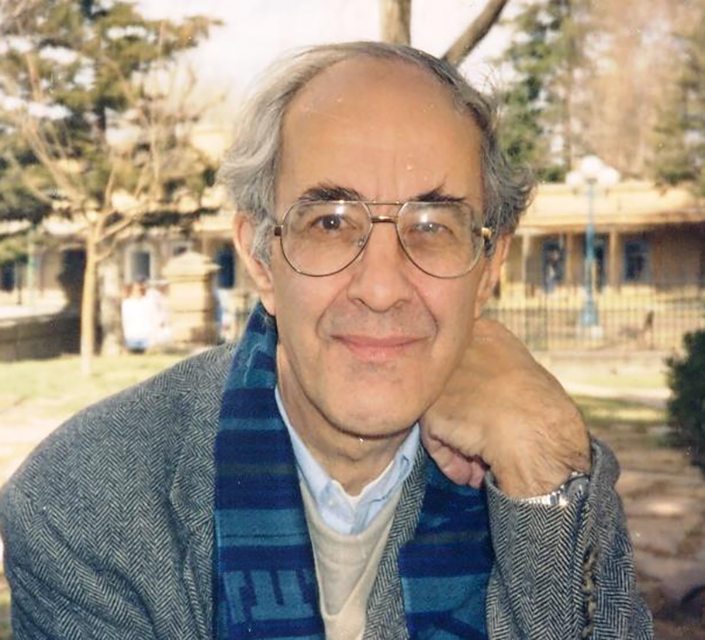
Pearls of Wisdom from Henri Nouwen (Zoom Class)
Henri J.M. Nouwen was one of the most prolific spiritual writers of our time. Born in the Netherlands in 1932, he was ordained a Catholic priest and subsequently studied psychology. After many years teaching at the University of Notre Dame, and in the Divinity Schools at Yale and Harvard, he left academia to become the pastor at L'Arche Daybreak in Richmond Hill ON, a community for people with intellectual disabilities. The author of close to 40 books, Henri died unexpectedly in 1996 at the age of 64.
A master communicator, Nouwen wrote and spoke with great openness and vulnerability about faith, prayer, social justice, mental health, grief, death, and other themes related to the spiritual life. This course will explore elements of his life and writings, examining his insights around these themes. Henri's work related to caring well and dying well will be highlighted, considering the facilitator's experience in nursing and palliative care.
Michelle O'Rourke RN MA has a background in Emergency Nursing, Hospice Palliative Care, Lay Ministry, and Parish Nursing. While always maintaining a nursing position, she enjoyed many years as a Lay Pastoral Minister with the RC Diocese of London, ON, and helped to launch a national, ecumenical parish nursing education program. Her career included the design and development of the Chatham-Kent Hospice, serving as the Program Coordinator for both the Hospice and the Palliative Care and Oncology Departments at the Chatham-Kent Health Alliance until her retirement.
Michelle is the author of three books, including Befriending Death: Henri Nouwen and a Spirituality of Dying (Orbis 2009). Michelle lives in Chatham ON, and currently serves as a Trustee with the Henri Nouwen Legacy Trust. Her website is selahresources.ca.
Wednesdays: October 4 – November 8, 2023
10:00–11:00 AM CT
Reconsidering Anabaptist Identity after 500 Years (Hybrid Class)
In the last several decades, scholars have radically challenged the standard narrative of Anabaptism that has so profoundly shaped Mennonite self-understanding over the centuries. With an eye to recent scholarship, this course will examine the Anabaptist story, focusing on origins and developments. The goal will be to provide a revised view of Anabaptist identity, which, in turn, may be a resource in thinking about what it means to be Anabaptist in the contemporary context.?
At CMU, Karl Koop teaches in the areas of the history of Christianity, Anabaptism, and contemporary theology. He received his PhD from the University of St. Michael's College, University of Toronto. Before coming to CMU, Karl taught at Anabaptist Mennonite Biblical Seminaries and through MCC assisted immigrants in Brandenburg and Berlin, German. He has been a pastor in Ontario and Germany, and more recently has published several books and articles in academic journals primarily in the field of Anabaptist studies.

Micah: Prophet of Justice, Judgement, and Hope (Hybrid Class)
The book of Micah is a microcosm of Old Testament prophecy because it touches on so many major prophetic themes. Exploring Micah will lead us into discussions of topics like faithfulness to one God, the shape of social justice, God's judgment, restoration after judgment, the projected fate of the nations, and the shape and function of biblical hope. The course will focus on resources that Micah provides for Christian faith, but it will also discuss strategies for dealing with problematic features of the book that Christians might want to resist.
Dan Epp-Tiessen CMU Associate Professor Emeritus of the Bible recently retired from teaching Bible and other topics at CMU for the last 25 years. Prior to that he has been a pastor, Mennonite Central Committee worker, and homemaker. Dan's commentary Joel, Obadiah, Micah was published in the Believers Church Bible Commentary series in 2022.
11:30 AM – 12:30 PM CT
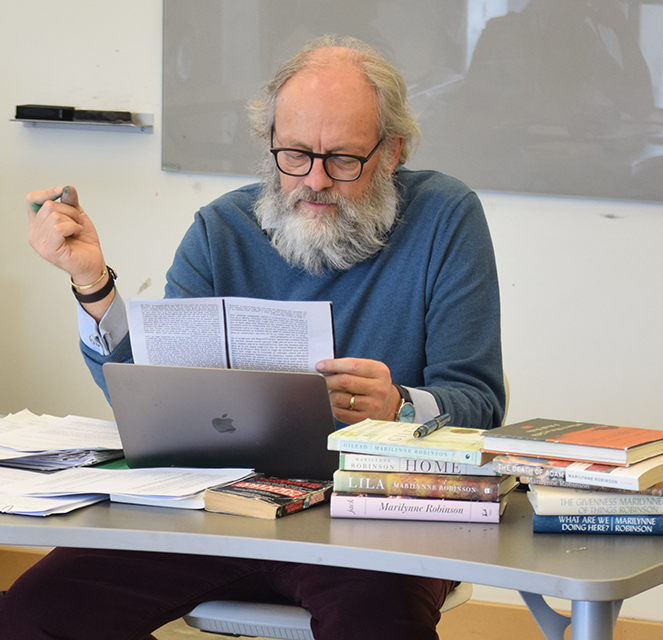
Mennonite Literature and Theology in Conversation (Hybrid Class)
This Xplore course will read selected Mennonite literary sources in conversation with theological emphases. We will read a variety of genres such as poetry, short stories, memoir, and novel as a way of helping is to reflect on the kinds of things that literary voices in the Mennonite world bring to our lives.
Paul Doerksen, Associate Professor of Theology and Anabaptist Studies at CMU is married to Julie, a Pastor at River East Church where he is also a member.
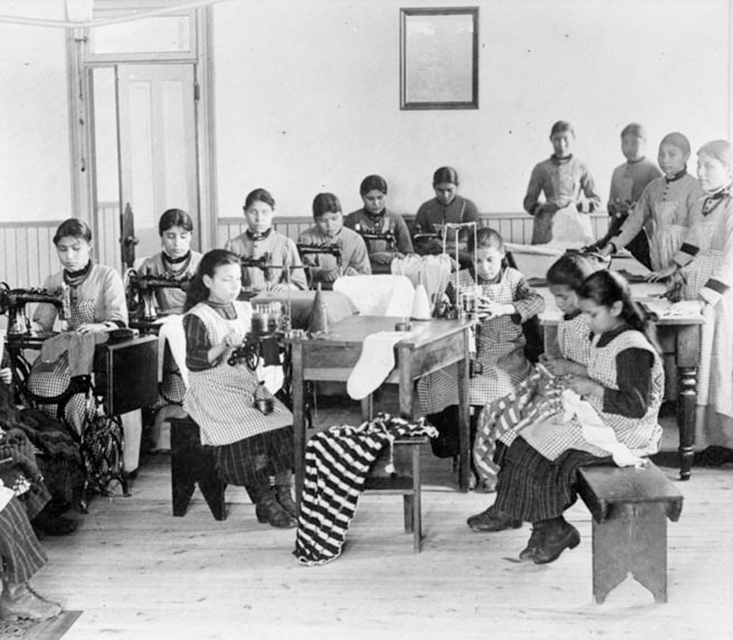
Indigenous Peoples and the Canadian Nation (Hybrid Class)
With a focus on key historical examples of colonial institutional intervention in the lives of Indigenous peoples and Indigenous resistance movements, this course will examine the roots and development of the complicated relationship between the Canadian nation and Indigenous nations. Topics include: treaties, the Indian Act, residential schools, forced relocations, gender-based violence, and post-war activism and policy reforms.
Shelisa Klassen is a Mennonite settler and historian living and working in Treaty 1 territory. She was the 2022-2023 D. F. Plett Historical Research Foundation Postdoctoral Fellow at the Centre for Transnational Mennonite Studies, and a regular sessional instructor in Canadian and Indigenous history at CMU. Her work primarily focuses on immigration and settler colonialism in late nineteenth century Canada.
Thursdays: October 5 – November 9, 2023
9:30–10:30 AM CT
Disability, Theology, and the Church (Zoom Class)
This short course will focus on how churches approach disability, both theologically and practically. The themes that we will explore will include: inclusion, diversity, safety, healthy boundaries, interdependence versus independence, and the challenge of adult baptism in relation to individuals with cognitive impairments. I am the parent of a son with complex needs including autism and developmental delay and have spent a significant amount of time thinking about the theological implications of disability and how the church can become a more inclusive space for individuals with a variety of needs and challenges.
Christina Reimer has a diverse professional background as a university professor in the field of world religions in Ontario and Quebec and has worked for a number of years as a facilitator of conflict resolution, communication and leadership workshops. Christina is also the Chair of the board of Silver Lake Mennonite Camp in Ontario, and has a passion for making spaces like church and camp more welcoming for people with a range of abilities.
11:00 AM – 12:00 PM CT

Are You Living Your Dream? Or Longing for a New One? (Zoom Class)
In our rapidly changing world and with the challenge of changing personal circumstances, what life do we dream of and how can we live it wisely and well? In Scripture God promises to pour out the Spirit, and “your young will see visions, Your elders will dream dreams” (Acts 2:17, cf. Joel 2:28). What might this mean for our dreaming today?
This course will explore dreams and dreaming in Scripture, good dreams/bad dreams/broken dreams/God-given dreams, letting go of a dream, making room for a new one, learning to dream again, and living it out. Each session will include time for reflection, prayer, sharing, and discussion. May we all continue dreaming, and live into hope one day and one moment at a time.
April Yamasaki is a pastor and the author of Four Gifts, Sacred Pauses, and other books on Christian living. She currently serves as resident author with a liturgical worship community, edits a quarterly devotional magazine, continues to write online and in print, and is a frequent guest speaker. In these and other ways, she is living her childhood dream of being a writer. At the same time, with the sudden death of her husband last year and in other circumstances of life, she is well acquainted with delayed, disappointing, and broken dreams.
Spring 2023 (February 21 – March 28, 2023)
Tuesdays, February 21 – March 28 (Classes on Zoom)
9:30–10:30 AM CST
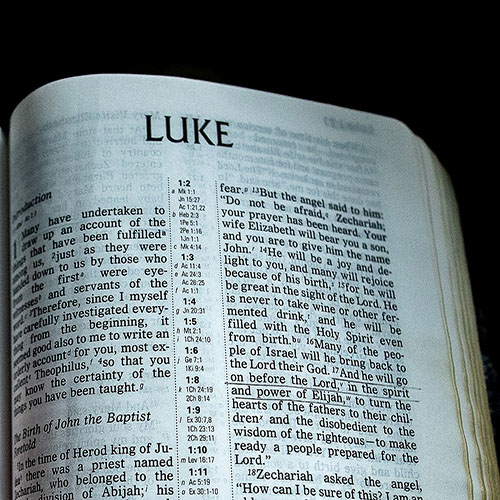
What are Two Swords Good For?
Mary Schertz is Professor Emerita of New Testament at Anabaptist Mennonite Biblical Seminary, happily living and worshipping in Elkhart, Indiana. Mary recently completed the Believers Church Bible Commentary on Luke which will be available soon from Herald Press at MennoMedia.
The two swords passage in Luke 22:31–35 has been a burr in the saddle of pacifists, Mennonite and otherwise, for many years. It is a passage that is unique to Luke and some scholars have called it the most difficult text in the entire biblical witness. The traditional reading contends that Jesus is finally facing reality and realizing that non-violence will not work after he is gone from the scene. So, he is opening the way for his followers to adopt another tactic, usually some form of just war theory. Mennonites have proffered other readings, but most of these see this text as problematic.
In this short course, we will look closely at another possibility. Using ancient reading techniques and literary figures of the first century, we will use the guide Luke offers to propose that Luke is portraying Jesus as integrating the holy warrior motif with the suffering servant motif, both available in his sacred texts, texts that he has studied since at least the age of 12. Jesus’s synthesis, his movement toward the cross as a holy warrior who is not violent and a suffering servant who is not passive also offers us a way forward toward an approach to non-violence that doesn’t force us to choose between love of enemies and love of the defenseless. From the tragedy of the Holocaust to the genocides of indigenous peoples, to the war in Ukraine, we carry sorrow and hope into this study of what it was that Jesus was really about at the end of his journey to Jerusalem.
» 11:00 AM – 12:00 PM CST
A Mediator Explores Conflict
Wayne Plenert is a retired BC and Yukon lawyer. While he had a varied practice, he was primarily a litigator and negotiator for those in conflict. He received training as a mediator in 1984 and since then he has participated in over 1,000 mediations in a variety of conflict areas (personal injury and civil litigation, family, child protection, elder, workplace, church). He has taught mediation, leadership, and conflict-related courses across BC, Alberta, Manitoba, and Yukon, and has developed and helped implement court related victim/offender and family mediation models. Plenert remains involved in much committee work and some BC government appointments.
The social science approach to conflict has changed from a focus on rules and controlling bad behaviour to studying conflict itself, that is, how people behave. Once conflict becomes personal, people want it to end. By exploring how conflict actually works and how people transform as it unfolds, individuals and organizations can find tools for working with conflict instead of trying to avoid it or end it. People and organizations (churches) can work towards affirmative transformation and restoration. This class will discuss themes like: Which is a better starting point: rules or behavior? What makes relationships toxic? How does conflict escalate? How does power work in conflict? What is the role of peacemaking and restoration? How might we use conflict better?
Wednesdays, February 22 – March 29 (Classes at CMU or on Zoom)
10:00–11:00 AM CST
Beings in Time: The Challenges of Living Our Best Life in Contemporary Society
Paul Redekop is a CMU Associate Professor Emeritus and author of the book Inner Peace Through Conflict Transformation.
The course will examine the major challenges that make up significant chapters in the stories of each of our lives. These challenges include establishing our adult identity, achieving intimacy, realizing the joy in helping and guiding the next generation, and as we grow older, fully accepting the lives we’ve lived. The challenge of establishing our adult identity is shaped by contemporary issues such as gender identity, and the changing nature of work and family life. The challenge of achieving intimacy is linked with the changing nature of courtship and marriage. The joy of parenting and mentoring is seen through the lens of the nature of parenthood in contemporary society. Radical acceptance of our lives as we’ve lived them takes place in the context of how ageing is seen in our society and the effects of ageism. An underlying theme will be what it means to be a Christian and what it means to be ourselves as we address the basic challenges of adult life.
Opera and Christianity
Tenor Nolan Kehler graduated from CMU in 2017 with a Bachelor in Music with a vocal performance concentration before earning a Master's in Music from the University of Victoria. He has since performed on stages throughout North America, including with Manitoba Opera, the Little Opera Company of Winnipeg, Manitoba UNDERGROUND Opera, and Flipside Opera and Art Song Collective. When he isn’t performing, Nolan can be heard on the airwaves as he presents classical music segments on the weekends across Canada on CBC Radio 1.
What do you get when you blend one of the world’s largest religions with one of the most passionate musical styles? Join tenor Nolan Kehler as he explores how Christianity has appeared over the course of four centuries of opera history, and how it has affected timeless stories by composers from Puccini to Verdi to Wagner.
11:30 AM – 12:30 PM CST
Walking Together
Neill and Edith von Gunten began their married life in a Mennonite Voluntary Service assignment in an inner-city neighbourhood of southside Chicago in 1965. Their involvement in Native Ministries began while students at Canadian Mennonite Bible College, now Canadian Mennonite University, spanned 38 years of living in Indigenous communities on both shores of Lake Winnipeg, and eventually served as Co-Directors of the Native Ministry program for Mennonite Church Canada. Their many relationships remain strong even though they are living in Winnipeg in retirement.
The seven Ojibwe “Way of Life” teachings will form the framework for our classes, as they did for our book Walking Together: Intercultural Stories of Love and Acceptance (2022). The stories will help us look at the many issues raised in the book, such as care of the earth, intergenerational trauma, racism, a distorted Gospel, building relationships. We also plan to have one or two Indigenous guests help us learn more about the significance and meaning of the teachings. Having a copy of Walking Together: Intercultural Stories of Love and Acceptance would be an asset. Copies can be purchased at the CommonWord Bookstore and Resource Centre or on its website, commonword.ca.
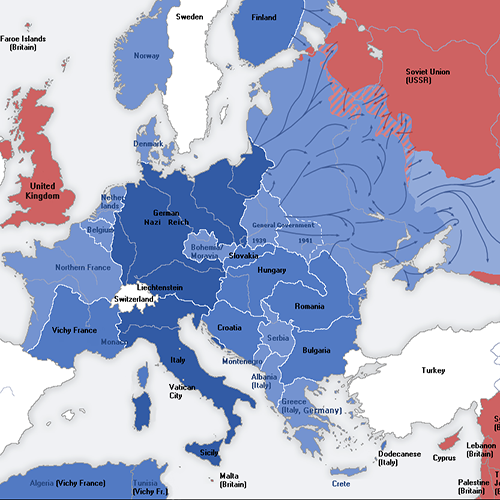
Difficult Choices, New Perspectives: The Mennonite Experience of World War II
Hans Werner is a Senior Scholar, Mennonite Studies, University of Winnipeg.
The recent invasion of Ukraine has again raised the spectre of war and the ethical challenges war presents. Along with the majority in Western societies most of us have empathy for the plight of Ukrainians and countries and individuals have risen to the challenge of helping in a variety of ways. Some assistance has been to alleviate suffering or to welcome victims, some to help defend using violent means by supplying weaponry, some to use economic and social pressure to try to end the war. This course will revisit the history of Mennonite responses to and experience of World War II with a particular focus on the challenge of not taking up arms in situations where there were no easy answers and many ethical challenges. We will begin by revisiting the 16th century context for the pacifist position and then engage themes of self-defence, suffering, compromise, alternative state service, and ethical choices as they were experienced by Mennonites in World War II. We will end with a look at how the war experience changed Mennonite thinking about political involvement, obligations to the state, and individual conscience.
Thursdays, February 23 – March 30 (Classes on Zoom)
9:30–10:30 AM CST

What are human beings, that God is mindful of them? A Gospel Anthropology
Marcus Peter Rempel is a pastor at Saint Julian’s Table, a therapist at Red River North Community Therapy Services, a founding member of Ploughshares Community Farm and author of Life at the End of Us vs. Them: Cross/Culture/Stories.
This course unpacks the ground-breaking “mimetic theory” of Rene Girard for folks who want to live with more grace and less envy. Real-life self-examination required; academic credentials are optional. Topics include:
- Receiving our self through the eyes of others: How a human being is made
- The serpent said that it was good to eat: The Triangle of Human Desire
- Evil Twins: We don’t fight because we’re different, we fight because we’re the same
- The Outcast at our Centre: A Brief History of Scapegoating
- The Desire for Being: Befriended in our longing and our lack
- What does God desire? The contagion that can save us
11:00 AM – 12:30 PM CST

Grieving Well
Since the abduction and murder of her daughter Candace in 1984, Wilma Derksen has been dealing with her own grief. She is an international speaker and consultant on victimization and criminal justice. She has presented to hundreds of audiences who describe her as inspiring, insightful, vulnerable, integral, comforting, warm, and as an insightful storyteller. She has a wonderful ability to put groups at ease, create a warm atmosphere, and move people emotionally. She has served as plenary speaker in conferences, led numerous trainings and workshops, and is an experienced group facilitator.
Everyone experiences losses every day. These losses may be smaller ones such as losing an item of worth, receiving an unexpected car repair bill, spraining an ankle, or having someone break into your car. Or they may be larger such as a terminal health diagnosis, the death of a close friend or family member, significant financial losses when markets tank, or a serious injury. All losses impact our emotional lives or physical well-being and result in a time of grief. We may be able to get over a minor loss in a day or a week while others continue to affect us for months and years. This course will consider the types of losses we experience and ways that allow us to live with these losses and even overcome them.
Fall 2022 (October 5 – November 15, 2022)
Tuesdays, October 11 – November 15, 2022 (Online Only)
11:00 AM – 12:00 PM
Paul: A Radical Jew as God’s Messenger to Non-Jews
With Tom Yoder Neufeld; Professor Emeritus of New Testament and Peace Studies, Conrad Grebel University College, and author of Recovering Jesus: the Witness of the New Testament
God’s baffling decision to choose a fiercely radical Jewish Pharisee to be a prophetic messenger to non-Jews, to Gentiles, has brought immeasurable benefits to millions—including ourselves—but also a great controversy and misunderstanding. Paul is seen as a visionary, a model missionary, but also as an ethical and theological bigot and bully. Many today have an intense suspicion, even dislike, of Paul.
In this course we will explore selected texts from Paul’s letters that will open his thinking to us. We might well discover that far from being a rule-bound autocrat, Paul was a breathtakingly flexible and adaptive missionary, driven by his divine calling and trust in the often-unruly Spirit. Were it not for this stubborn Pharisee with a bottomless passion to get word of Jesus out to the very edges of the known world, we might well not have come to know the Jesus we wish to follow.
Wednesdays, October 5 – November 9, 2022 (Hybrid)
10:00–11:00 AM
Connecting with Self and Others After Adversity
In-Person Location: C244; 500 Shaftesbury Blvd.
With Carolyn Klassen, a Winnipeg therapist and speaker at Wired for Connection. Her many years of providing therapy provide her with a wealth of knowledge about people—including topics like grief, pain, anxiety, depression, joy, and grace that are not easily or often spoken about in polite company. She has a master’s degree in therapy, is a Certified Daring Way Facilitator, and is elder and teacher at The Meeting Place.
We are created in God’s image for relationships—deep, meaningful and enriching relationships. Yet loneliness and divisiveness feel more pervasive now than ever. Why are relationships both so vital and so challenging? Using work developed out of the research of Dr. Brené Brown, this class will look at themes of vulnerability and shame as a means to discover ways of developing more meaningful relationships. Developing authentic relationships is both terrifying and enriching—it is an act of discipleship as we seek to grow more and more into the likeness of Christ.

From Creation to Renewed Creation: Biblical Visions of God’s Good Future
In-Person Location: C344; 500 Shaftesbury Blvd.
With Dan Epp-Tiessen, CMU Associate Professor Emeritus of Bible
This course will explore biblical visions of God’s good future as portrayed in the Old Testament prophets, the book of Daniel, the Gospels, the letters of Paul, and the challenging book of Revelation. The course will claim that the New Testament asserts that the God who lovingly created the world and always remains sovereign over it, will ultimately heal this groaning creation, and resurrect human bodies to enjoy fulness of life in a renewed creation. This vision stands in contrast to a popular end-times script according to which Christians will be raptured out of this world and then the planet will be trashed by a series of disasters. The course will also explore how our vision of God’s good future shapes Christian life in the present.
11:30 AM – 12:30 PM

Pacifism with the War in Ukraine in Mind and Heart
In-Person Location: C244; 500 Shaftesbury Blvd.
With Harry Huebner, CMU Professor Emeritus of Theology and Philosophy
There are those who say that nothing has challenged their pacifist convictions more than the war in Ukraine. This course will create a forum for expressing thoughts and feelings about the horrors of war and will consider again what Christian pacifism is about.

Mennonites in Canada—from 1970 to the Present
In-Person Location: C344; 500 Shaftesbury Blvd.
With Brian Froese, CMU Professor of History
This course will explore what life was like in 1970 to the present and how Mennonites faced changes with respect to topics such as women in leadership, worship, music, education, missions, Indigenous relations, and politics in the context of larger social pressures.
Thursdays, October 6 – November 10, 2022 (Online Only)
11:00 AM – 12:00 PM

Dementia and Spirituality: Loss, Love, and Navigating Change Together
With Jane Kuepfer, RP, PhD, MDiv, Schlegel Specialist in Spirituality and Aging with the Schlegel-UW Research Institute for Aging and Conrad Grebel University College.
Kuepferis a spiritual director, an ordained minister, a registered psychotherapist, and serves as a spiritual care provider in a retirement home, alongside her teaching and research roles.
Within 10 years it is expected that more than a million Canadians will be living with dementia. The reality and prospect of cognitive change affects our family members, friends, neighbours, and potentially ourselves, as we look toward the years ahead. How does dementia intersect with spirituality, with faith? In this course we will explore dementia as both a theological and spiritual challenge and opportunity, touching on topics such as fear/stigma, the meaning of personhood, the role of spiritual practice, friendship, belonging, and faith communities as well as spiritual preparation for cognitive change.
Spring 2022 (March 1 – April 7, 2022)
All classes held online via Zoom
Tuesdays; March 1 – April 5, 2022
» 9:30–10:30 AM (central time)
Reading the Bible as if our lives depended on it!
with Mary Schertz; Professor Emerita of New Testament at Anabaptist Mennonite Biblical Seminary, happily living and worshipping in Elkhart, Indiana.
In so many ways, western culture, with its consumptive habits and elevation of self-reliance as a virtue, is what has separated us from reading biblical texts as if our lives depended on it. This course asks the question of how we might practice habits of reading the Bible that help us find anew real nurture and challenge within these ancient, sacred texts. We will explore confessional Bible reading, reading as if our lives depended on it, understanding God’s love for us as it we read, growing with the companionship of the people, ideas, emotions, and words embedded in the biblical texts, and other ways of reading the text as well as letting the text “read” us.
11:00 AM – 12:00 PM (central time) *NEW DATE: March 8 - April 12*

Sabbath: “A Life-long, Life-Giving Rhythm”
with April Yamasaki; Resident Author, Valley CrossWay Church, and Author of Sacred Pauses: Spiritual Practices for Personal Renewal
“Remember the Sabbath day, and keep it holy,” says Exodus 20:8 as part of the 10 Commandments. Yet in Mark 2:27 Jesus says, “The Sabbath was made for humankind, and not humankind for the Sabbath.” Over six sessions, this course will explore the breadth of biblical teaching on Sabbath as a life-long, life-giving rhythm, as retreat and rest, an act of resistance and practical refreshment that expresses reverence for God.
Wednesdays: March 2 – April 6, 2022
9:30–10:30 AM (central time)
The Legacy of Archbishop Desmond Tutu
with Piet Meiring; Emeritus Professor University of Pretoria, South Africa; friend of Archbishop Tutu for almost half a century, working with him in the South African Truth and Reconciliation Commission, representing Desmond Tutu at the launch of the Canadian TRC in Winnipeg, teaching a CMU course.
This course will provide a brief overview of the life of Desmond Tutu—the son of a domestic servant who became a Nobel Prize winner, prophet and reconciler. We will discuss Desmond Tutu’s struggle against injustice and his work with the Truth and Reconciliation Commission in South Africa, tell stories about "the Arch", his friendship with President Mandela, his personal faith, his love for people, his humour, his retirement, and his legacy.
11:00 AM – 12:00 PM (central time)
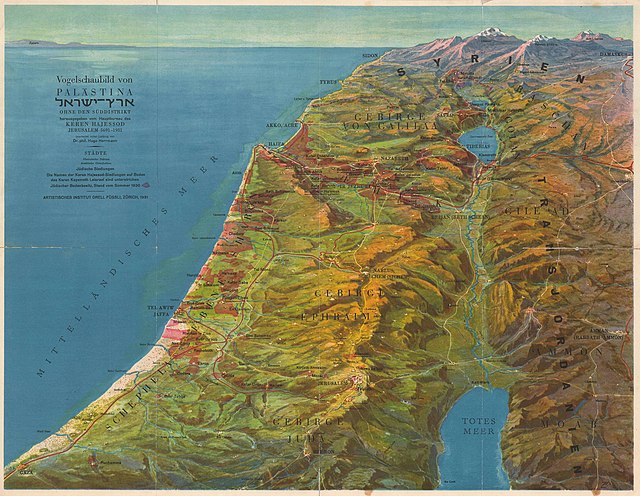
"Palestine-Israel: Is this Settler Colonialism?"
with Esther Epp-Tiessen, Joanna Hiebert Bergen, Byron Rempel-Burkholder, and Kathy Bergen
In recent years, many people have begun to describe the reality of Palestine-Israel as "settler colonialism"—a form of colonialism in which the settler colonists "come to stay" and to assert their sovereignty over Indigenous land and people. (Canada is also a settler colonial state). This course will explore the analysis of settler colonialism and how it manifests itself in the current lived reality of Palestinians and Israeli Jews. It will draw on a variety of guest speakers, both live and pre-recorded, who are experts on the situation in Palestine-Israel today and who bring political, biblical and theological perspectives to the issues. This course is hosted by the Mennonite Church Canada Palestine-Israel Network.”
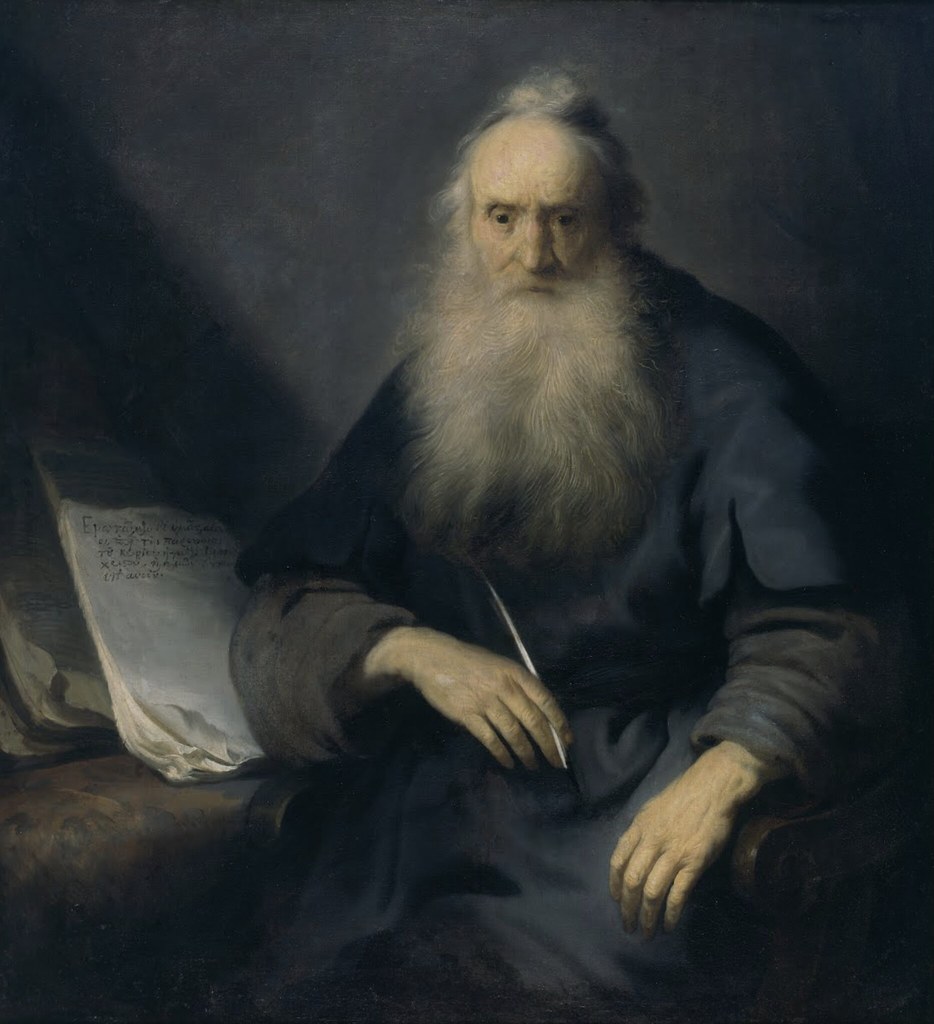
1 Corinthians: Community and Conflict
with Dan Nighswander; Author, Believers Church Bible Commentary on 1 Corinthians
The New Testament letters from Paul to the churches in Corinth disclose a community tested by conflicts. Though almost two millennia old, their issues are still current in (some) churches today—power, status, money, sex, worship, and spirituality. We will explore excerpts from 1 Corinthians as a window into that community and a mirror of our own.
Thursdays, March 3 – April 7, 2022
9:30–10:30 AM (central time)

Why Mennonite World Conference
with Arli Klassen; Mennonite World Conference, Mennonite Central Committee, MSW, U of T
Mennonite World Conference (MWC) began in 1925, surviving world wars, growing into a global communion with majority membership from the Global South. This course will look at the evolution of MWC from a conference to a communion, and the current issues facing MWC. We will look at past assemblies, as well as this next one in July 2022, which will be online and in Indonesia. Guest speakers will include César García and John D. Roth. We will look at why MWC matters, and why you will want to participate in this upcoming assembly.
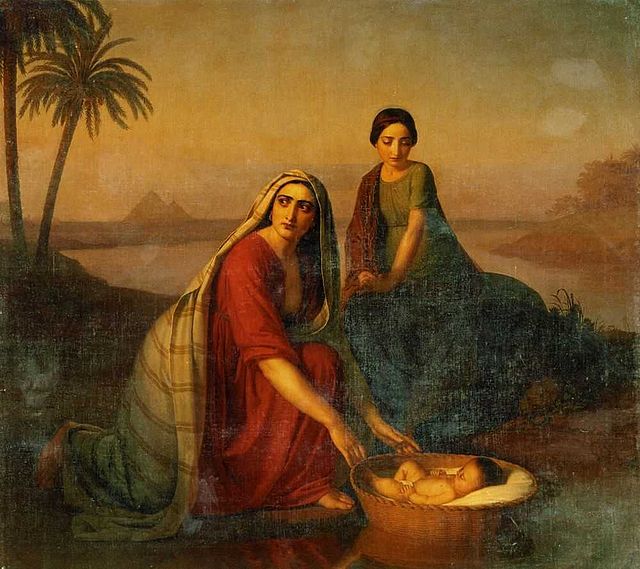
Learning About Biblical Women Through Art
with MaryLou Driedger; newspaper columnist, author, teacher, and Winnipeg Art Gallery guide.
Over the centuries artists have portrayed Biblical women in surprising, beautiful, and interesting ways. In each session of this course, we will use a variety of approaches to look at artwork from the 1300s to the present that can give us new insight into the lives and stories of both more well-known and less familiar women we find in scripture texts.
11:00 AM – 12:00 PM (central time)
The Low German Mennonite Diaspora: A History of Separation, Adaptation, and Resistance
with Hans Werner; Senior Scholar, Mennonite Studies, University of Winnipeg
Low German Mennonites have often been the subjects of curiosity. Depending on who is looking, and on which group the gaze falls, Low German Mennonites are backward, an embarrassment, quaint, hard workers, enterprising farmers, a problem, or a blissful escape from the tensions of modern life. This course will examine the historical origins, culture and faith practices of the Low German Mennonites of the Americas. It will raise old questions. What does it mean to live separately from ‘the World’ and have other Mennonites cast their lot with the world? How are faith and culture intertwined? What does their story teach us about an ethnic, or alternatively, a multiethnic church?
Fall 2021 (October 5 – November 9, 2021)
All classes held online
Tuesdays; October 5 – November 9, 2021
11:00 AM – 12:00 PM (central time)

Peace Stories that Inspire Us
with Harry Huebner, Professor Emeritus of Theology and Philosophy
A year ago, I wrote a book of stories called Grandpa's Peace Stories: The Power of Maybe. These were written at the nudging of my grandchildren. I found it fascinating that they wanted these stories not only told but also written. Why? They said the stories inspired them and may inspire others. Indeed, what is a peace story? And how does it inspire peacemaking? Our sessions will explore these and other questions, tell peace stories—mine and others—in the hope that it may urge participants to value their own peace stories.

Creation, Ecology, and the Bible
with Dan Epp-Tiessen; Associate Professor Emeritus of Bible
This course will explore how the Bible talks about creation, and the implications for how humans are called to live in it. In addition to highlighting individual passages that value creation, the course will argue that the arc of the biblical story moves from God’s creation of the world at the beginning to God’s renewal (not destruction) of creation at the end. The course will also examine biblical texts that devalue creation and ask how we might interpret them in ways that do not encourage harm to creation.
Wednesdays; October 6 – November 10, 2021
9:30–10:30 AM (central time)
“Who do they say I am? Who do you say I am?” Exploring the Jesus of the New Testament
with Tom Yoder Neufeld; Professor Emeritus of New Testament and Peace Studies, Conrad Grebel University College, and author of Recovering Jesus: the Witness of the New Testament
Jesus often seems in danger of disappearing into the crowd of Jesuses serving an array of agendas, spiritual and political. Attempts at getting at the “real Jesus” often come up with a Jesus in tension with the only real source we have for Jesus, the New Testament. Anabaptists are not exempt from that tendency. Jesus didn’t ask: “Who do you want me to be?” Might a fresh exploration of the New Testament help us to test our own versions of Jesus? And might it help open us up to what others see in him? In short, how do we pass Jesus’ exam questions? In this brief set of presentations and conversations we will explore such central themes as Jesus as prophet, sage, and practitioner of the kingdom of God; the meaning of his death and resurrection; and the language in which New Testament writers expressed who they discovered Jesus to be.
Living Together with our Differences
with Betty Pries; CEO and Senior Consultant, Credence & Co. and Paul Okoye; Senior Consultant, Credence & Co.
Engaging differences and transforming polarized conversations is challenging—especially when we miss the wisdom diverse perspectives are longing to reveal. This has become even more challenging in relationships impacted by the recent pandemic. This course will consider the dynamics of engaging differences, while proposing strategies (and spiritual perspectives) for transforming entrenched differences and embracing the power and possibility of effective and meaningful conversation
11:00 AM – 12:00 PM (central time)
Philippians: Renewing Our Joy in Christ
with Michael Pahl; Executive Minister of Mennonite Church Manitoba
In the Apostle Paul’s letter to the Philippians, he points them toward the path of joy in Christ even in the midst of suffering and uncertainty, a joy lived out together in a common life crafted around Jesus’ way of co-suffering love. What can we learn today from this call to “rejoice in the Lord” even in times of suffering and uncertainty?
Violence Within Scripture: Struggling with a Troubling Legacy
with Gerald Gerbrandt, President Emeritus and Professor Emeritus of Bible
The early Christian Church already struggled with Biblical passages, perhaps especially in the Old Testament, which depict God as violent, or as commanding violence. Recent attacks of religion precipitated by 9/11 suggest that religion contributes to violence rather than reduces it, giving this question renewed significance in our time. In this course we will deal with questions like: Should the church excise these passages from Scripture? Is there a tension between the God of the New Testament and the God of the Old Testament? Is there a way of dealing with these passages that allows the God of Scripture to be a God of Peace and Love?
Thursdays, October 7 – November 11, 2021
9:30–10:30 AM (central time)
Creeds and Confessions: What are they Really, and How Important are they?
with Karl Koop; Professor of History and Theology
Creeds and confessions have been a part of Christianity since New Testament times. Confessional statements continue to play a role in the life of Christians and in the life of the church. What do these creeds and confessions actually say? What role do they play in the church? How important are these statements in relation to the Bible or contemporary experience? What do we do when we cannot agree on what we should believe? These and other questions will be explored in six sessions that give attention to what it means to think theologically about our faith convictions.
11:00 AM – 12:00 PM (central time)

Reading in a Good Way: Biblical Explorations for the Reconciliation Journey
with with Randy Klassen; Indigenous Neighbours Coordinator for Mennonite Central Committee Saskatchewan, and former Professor at Bethany College
The call to Indigenous/Settler reconciliation is among the most urgent tasks for both our nation and the Christian church. The Church’s deadly complicity is a fact of history. The challenge of thorough repentance and building new and respectful relationships is a hope for the future, and the Bible is a key resource to provoke such transformation. This course will explore the Scriptures for stories, prayers, and teachings that challenge Settler colonial ways and encourage Settlers to see their relationships with Indigenous peoples in new and healing ways.
Prayer During Challenging Times
with April Yamasaki; Resident Author, Valley CrossWay Church, and Author of Sacred Pauses: Spiritual Practices for Personal Renewal
In times of challenge, prayer can be a significant source of support and comfort—yet sometimes prayer itself can be a challenge. How can we pray through challenging times when we feel overwhelmed? And how can we pray about the challenging times we face? This course will discuss different ways of praying during challenging times including personal and corporate prayer, spontaneous and set prayers, silence, lament, praying Scripture, and other prayer practices, with time in each session for a short prayer exercise.
Spring 2021 (March 3 – April 8, 2021)
Wednesdays, March 3 – April 7, 2021
First period (10:00–11:00 AM Central Time)
Worship as the People's Work
with Irma Fast Dueck; Associate Professor of Practical Theology
The word “liturgy” comes from the ancient Greek word “leitourgia” which means “the people’s work.” At its simplest, worship is something we do (versus something we go to or something that is done to us). How do we grow in our practice of worship? What does worship reveal to us about what it means to be the church? to live as disciples? to engage in mission? Together, we will explore these questions and more.
“Surely the LORD is in this place—and I did not know it” (Gen 28:16): Explorations in Biblical Spirituality
with Gordon Matties, Emeritus Professor of Old Testament
"Spirituality," it can be said, is life at the interface of the divine and the human. The story of Jacob offers one among many paradigms of such a life. He encounters God in the unknown, in the terror of the night, and in the face his brother. This course explores his story in the context of the book of Genesis, along with a variety of other models of spirituality in the book of Exodus, the Psalms, Wisdom literature, the Prophets, and the book of Daniel.
Second Period (11:30 AM – 12:30 PM Central Time)
Indigenous Spiritualities & Christianities
with Adrian Jacobs; Keeper of the Circle, Sandy-Saulteaux Spiritual Centre, Sessional Instructor at Atlantic School of Theology
We will explore and experience the encounter of Indigenous and Settler worlds in light of the Christian faith encounter with very differing Indigenous embodied spiritual worlds. Stories and cultural experiences will form a platform for discussion fostering peace-building. Exploring how an integral Christian faith can co-exist with an authentic Indigenous spiritual and cultural identity will be the substance of this course.
The Book of Revelation: Hope in a Time Turmoil
with J. Nelson Kraybill, President of Mennonite World Conference, author of Apocalypse and Allegiance: Worship, Politics, and Devotion in the book of Revelation
The Book of Revelation is a visually rich study of how Jews and Christians experienced the Roman empire in the first century. The warfare, pandemic, climate change, and persecution depicted by John the Seer's vision seem hauntingly relevant for our time. How might this apocalyptic book offer guidance and hope for the church today?
Thursdays, March 4 – April 8, 2021
First period (10:00–11:00 AM Central Time)
Hearing the Old Testament Prophets Today
with Dan Epp-Tiessen; Associate Professor Emeritus of Bible
Prophets are so central to the Bible that both Moses and Jesus are called prophets. So how did ancient Israel’s prophets function and what did they proclaim; how did they interpret their times; how and why did prophetic books come into being? In addition to questions like these, the course will also explore the ongoing relevance to Christian faith of key prophetic themes like loyalty to only one God, social justice, God’s sovereignty and judgment, and hope in God’s good future even when disaster looms.

The Power of Music: From Bach to the Beatles
with Dietrich Bartel; Emeritus Professor of Music
Over 2,000 years ago, Plato warned about music’s power, “because more than anything else rhythm and harmony find their way into the inmost soul and take strongest hold upon it”. Music can make us laugh or cry, feel nostalgic or content. Bach used this power to preach the Gospel; the Beatles used it to get to the top of the charts. And while composers have been manipulating their listeners’ emotions successfully over generations, music’s therapeutic power has been a healing salve even before David played for King Saul. In this course, we will explore some examples and examine some of the theories of the power of music over the centuries.
Second Period (11:30 AM – 12:30 PM Central Time)

Abrahamic Faiths in Dialogue
with Harry Huebner, Emeritus Professor of Theology and Philosophy
This course will begin by exploring why and how Christians might be in dialogue with people of other faiths. It will then invite representatives from both the Jewish faith and the Muslim faith to speak to the group on the same question from their perspectives. Participants will be invited to engage the presenters in theological dialogue. In the process it is hoped that the group will gain an appreciation for dialogue as a form of peacebuilding.
Theological Resistance in Troubled Times: The Compelling Witness of Dietrich Bonhoeffer
with Robert Dean; Associate Professor of Theology and Ethics, Providence University College
Dietrich Bonhoeffer's compelling Christian witness in the face of the atrocities of the Nazi regime is a source of inspiration for many. People of all convictions, who can agree on little else, often agree that the name Bonhoeffer is worth claiming for one's cause. The result is that Bonhoeffer's legacy has often been hijacked for a variety of divergent causes with little regard for what he actually said and did. This course will delve into the intersection of Bonhoeffer's biography and writings in order to bring to the surface his profound vision for what it means to follow Christ in confusing times.
Fall 2020 (September 30 – November 4, 2020)
Wednesdays, September 30 – November 4
» First period (10:00–11:00 AM Central Time)
Reading the Bible with Jesus
with Michael Pahl; Lead Pastor, Morden Mennonite Church, Morden, MB
Jesus, of course, didn't have a "Bible" as we do: a bound collection of writings called the "Old" and "New Testaments." Yet Jesus memorized whole sections of his sacred scriptures from an early age and heard them read regularly in the synagogue. How did he read his "Bible," essentially our "Old Testament"? How might Jesus' way of reading the Jewish Scriptures, as we find in the Gospels, help us to read our Bibles better?
Journaling through Grief
with Wilma Derksen; Author, Public Speaker, Honorary Director of Candace House and Pastor of Maplecrest Church, Winnipeg, MB
Grief is one of the most powerful emotions we experience as humans, and it can be very difficult to discuss a loss with others. According to grief experts, the task of reconstructing your personal self-narrative is critical in the healing process. This course in journaling through grief will provide you with a venue for expression as you journey through your valley of sadness. Grief journaling will also be able to help you record and process your experience of grief and in the end, provide you with a very personal keepsake.
» Second Period (11:30 AM – 12:30 PM Central Time)
Beyond the Numbers: Pandemic Reordering the World we Knew
with Janet Plenert; Church Leader; Former Director of Mennonite Disaster Service (Canadian Operations), former Vice President of Mennonite World Conference
While we are bombarded with COVID-19 news, many stories go untold. In this class we will dive into some specific global issues and stories to get past the media angle and into some deep issues. We will hear firsthand voices from the global church as well to see how COVID-19 has reordered lives and impacted faith communities.
Denominations: What are They, and What are They Good for? Or Not?
with Gerald Gerbrandt; Emeritus President and Emeritus Professor of Bible, Canadian Mennonite University
Denominations are a standard part of North American church life, a major factor in how most of us experience church. Yet neither confessions of faith nor systematic theologies speak much about them. How do denominations fit in with the Biblical emphasis on the unity of the Body of Christ? Are they in tension with it, or might they be a way of experiencing and enhancing that unity? This course will consider questions like these to better understand what denominations are, how they tend to function, and how they might serve the larger mission of the Church Christ started.
Thursdays, October 1 – November 5
» First period (10:00–11:00 AM Central Time)
Race and Racism
with Jobb Arnold; Associate Professor, Menno Simons College
In this course we will explore some of the modern ideas and political practices that have contributed to contemporary approaches to understanding the cultural dynamics of race and racism. Over six classes we will cover a range of interdisciplinary topics which will be contextualized using examples from historical and contemporary case studies. Weekly topics will range from modern theories of race, its politicization in conflict, structural racism, and contemporary examples of anti-racist struggles. This course invites small group discussion concerning the contemporary role that race and racism plays in our own church and community spaces. Break out groups will also challenge participants to envision meaningful ways that we, as people of faith, can build purposeful solidarity with marginalized and persecuted communities in ways that strive to embody the spirit and teachings of Christ Jesus.
“so that through the church…” Vision and Challenge from the Letter of Ephesians
with Robert J. Suderman; Church Leader and Teacher, Former General Secretary of Mennonite Church Canada
The vision of “church” sketched in Ephesians is not for the faint-hearted. It leaves no stone unturned. Its agenda awes us. Its audacity inspires us. Its relevance challenges us. Its message is as penetrating today as it was in the 1st century. Take the risk. Join the conversation.
» Second Period (11:30 AM – 12:30 PM Central Time)
Exploring Mennonite Schisms: Theology, Personality or Church Practices?
with Hans Werner; Senior Scholar, University of Winnipeg
In the 16th century Anabaptism emerged from a great schism in the Christian church and there have been many schisms in Anabaptist-Mennonite churches thereafter. It is safe to say that the many branches of Anabaptist-Mennonite faith traditions are all products of schisms. This course will examine a number of schisms, from the sword controversy that gave rise to Hutterites in the 16th century, to the singing controversy that was responsible in part for the creation of the Old Colony Mennonites in the 1880s in Manitoba. To what extent were schisms driven by personalities, or disagreements about church practices? How important was theology or scriptural interpretation in shaping the faith communities that emerged from these schisms?
Life Sentences: Writing for Yourself and Others
with Larry Danielson, Writer, Editor and Former E.L.A. team leader at Garden Valley Collegiate, Winkler, MB
You don’t have to be rich, famous, or extraordinary to write about your life. You just need to be willing. This course approaches life-writing from three directions: writing for discovery, writing for wholeness, writing for legacy. You will explore what it means to be you, at this age and stage of life. “Life Sentences” also will include guidelines for a variety of life-writing possibilities, such as life reviews, tributes, ethical wills, travel narratives, faith-journey accounts, memoirs, and more. You are welcome to participate, whether you are a beginning writer or one more confident and practiced.
Spring 2020 (March 4 – April 8, 2020)
Wednesdays, March 4 – April 8, 2020
All classes at Canadian Mennonite University, 500 Shaftesbury Blvd., Winnipeg
» First period (9:30–10:30 AM)
Theological Resistance in Troubled Times: The Compelling Witness of Dietrich Bonhoeffer
with Robert Dean; Associate Professor of Theology and Ethics, Providence University College
Dietrich Bonhoeffer's compelling Christian witness in the face of the atrocities of the Nazi regime is a source of inspiration for many. People of all convictions, who can agree on little else, often agree that the name Bonhoeffer is worth claiming for one's cause. The result is that Bonhoeffer's legacy has often been hijacked for a variety of divergent causes with little regard for what he actually said and did. This course will delve into the intersection of Bonhoeffer's biography and writings in order to bring to the surface his profound vision for what it means to follow Christ in confusing times.

Peace, Progress, and Place: Exploring Sacred Connections to Land
with Jeff Friesen; Associate Pastor, Charleswood Mennonite Church and guests
This course will explore the theological possibilities arising from the land. We will look at how our sacred connections to the places and spaces of our lives shape our understanding of such things as private property, urban and rural life, and peace. By sharing stories of our relationship with place in class and by hearing from guest speakers from different locations, this course will consider how the land on which we stand influences the ways we are living into our calling to be followers of Christ.
» Second Period (11:00 AM – 12:00 PM)
1 Corinthians: Community and Conflict
with Dan Nighswander; Author, Believers Church Bible Commentary on 1 Corinthians
The New Testament letters from Paul to the churches in Corinth disclose a community tested by conflicts. Though almost two millennia old, their issues are still current in (some) churches today—power, status, money, sex, worship, and spirituality. We will explore excerpts from 1 Corinthians as a window into that community and a mirror of our own.
Refugees Today and the Earlier Southeast Asian Refugee Movement
with Stephanie Stobbe; Associate Professor, Conflict Resolution Studies
The number of forcibly displaced people in the world is at an unprecedented 68.5 million (UNHCR, 2018). Thousands of migrants from Syria, Iraq, Afghanistan, and Africa are stuck in various detention centers and refugee camps in Greece, Italy, and Spain due to EU-Turkey refugee agreement and other state policies. Between 1979 and 1980, Canada took in over 60,000 Southeast Asian (Indochinese) refugees from Vietnam, Laos, and Cambodia, making it the most successful resettlement movement in Canadian history. Mennonite Central Committee signed the first umbrella agreement in 1979 with the Government of Canada to oversee the private sponsorship of refugees. The strong Mennonite response is in part due to their own history of persecution and resettlement. This course allows participants to share their own stories, examines lessons learned from the Southeast Asian refugee movement, and explores how Canada can better assist refugees today.
Fall 2019 (October 2 – November 7, 2019)
Winnipeg | Wednesdays, October 2 – November 6, 2019
All classes at Canadian Mennonite University, 500 Shaftesbury Blvd., Winnipeg
» First period (9:30–10:30 AM)
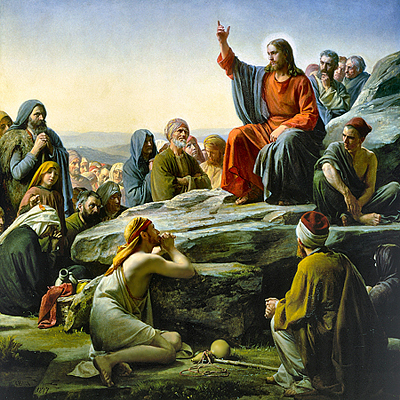
Parables of Jesus as Provocative Speech
with George Shillington (Emeritus Professor of New Testament)
Jesus used parable-story to alert his audience to an alternate way life and thought. Far from being allegory, the parable form grew out of real-life situations in ancient Palestine that people had learned to take for granted. The kingdom of God that Jesus enacted opened up an alternate vision of reality from that of Caesar in Rome, or that of the High Priest of Jerusalem. Our goal will be to translate the terms of selected parables out of their original situations in life to those of our time and place.

Jewish-Mennonite Interaction, in the Ukraine and in Manitoba
with Hans Werner (Senior Scholar, University of Winnipeg)
Mennonites have lived alongside and yet separate from Jews for hundreds of years. In many ways Dutch-North German Mennonites and Eastern European Jews have shared similar characteristics. Both had a unique language, Yiddish and Low German, both developed an ethnic as well as religious identity, both were 'outsiders' in their host societies. From a Mennonite point of view, Jews were strangers, partners, and intermediaries. In World War II one group faced annihilation while the other was placed in the category of being part of the 'master race.' This course will examine the complex and shifting relationship between Jews and Mennonites in Ukraine and in Canada.
» Second Period (11:00 AM – 12:00 PM)
Christian Faith and Polarized Politics: The Practice of Disciplined Speech
with Paul Doerksen (Associate Professor of Theology and Anabaptist Studies) and guests
Current public discourse is too often marked by polarization, a dynamic that seems to exert a powerful effect on many of us of whatever theological or political stripe. This Xplore course will investigate what it might mean to bear Christian witness without conceding to the prevalent pattern of religious, cultural, and political polarization.
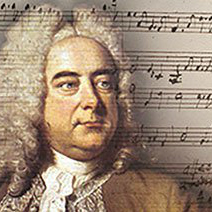
Handel's Messiah: Preaching or Entertainment
with Dietrich Bartel (Professor Emeritus of Music)
For over 250 years, audiences around the world have been flocking to churches and concert halls to listen to Handel's oratorio Messiah. What makes this work so compelling, enduring and popular for such a wide range of a listening audience, whether they are "churched" or not? We will explore Handel's world and the beginnings of this piece, its rise to the most popular and widely listened to oratorio ever written, and look at how Handel delivers the message of the chosen Biblical texts.

Introduction to Life Writing: Recording Our Stories
with Mary Ann Loewen (Sessional Instructor)
This course will include a brief overview of basic writing skills, and then take a specific look at life writing, discussing questions such as the following: What are the ethics involved? How do you decide what to include and what to leave out, and why? What role does memory play? Who is your audience? While there are no official written assignments for this course, there will be opportunity given to write during class time, after which feedback from both the instructor and fellow classmates may prove helpful.
Winkler | Thursdays, October 3 – November 7, 2019
All classes at Emmanuel Mennonite Church, 750 15th St., Winkler
» First period (9:00–10:00 AM)
Exploring the Book of Acts
with Michael Pahl; Lead Pastor, Morden Mennonite Church
The Acts of the Apostles is the sequel to Luke's Gospel. It tells part of the story of the early church, how some of the first followers of Jesus sought to live out the way of Jesus together in the midst of diversity, in the face of opposition, and under the shadow of empire. What can we learn from their witness?

Mental Health and Wellness Through the Journey of Aging
with Ken Kroeker; Former Regional Director of Mental Health
and James Friesen; Former Chief Executive Officer, Eden Health Care Services, with guests
This class will explore various issues and perspectives that impact, both positively and negatively, our ability to live mentally healthy lives through our senior years. Topics will include clinical seniors mental health, self care, personal reflections on living the journey, community care, and others yet to be determined. These topics will be addressed by speakers from various backgrounds drawing from their professional and personal experiences. Opportunity for participant engagement is anticipated.
» Second Period (10:30– 11:30 AM)
What the Church Believes: Five Theological Themes
with Harry Huebner, Professor Emeritus of Theology
The church is a community of faith and as such its identity is shaped by the convictions it holds. This class will explore five theological affirmations common to the Christian church. The themes chosen for this round are: God/incarnation, creation/fall/redemption, sin/salvation, revelation/biblical authority, and being human/living the mystery.
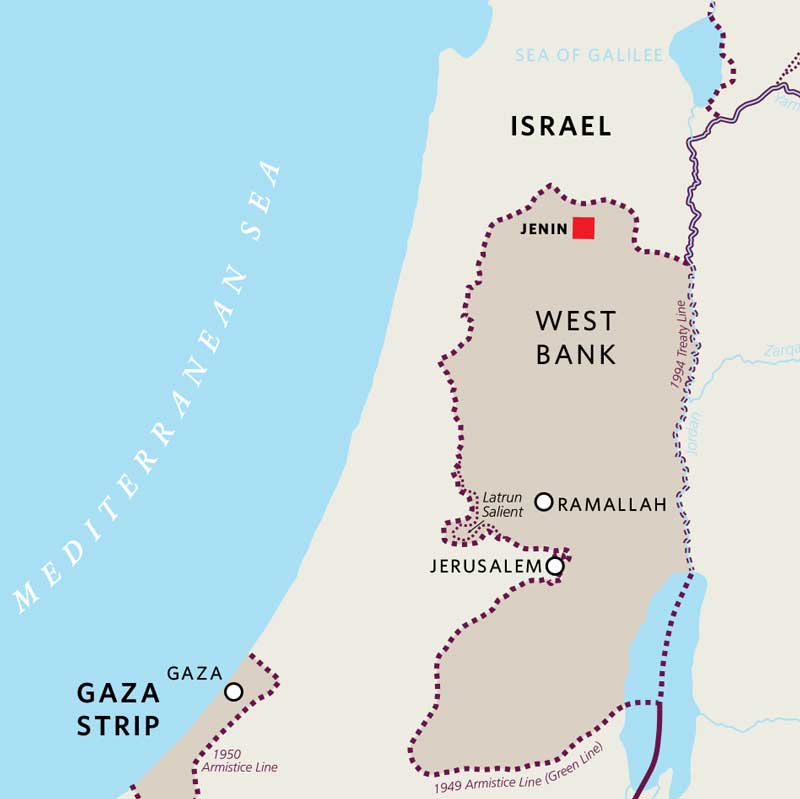
Canaan-Israel-Palestine: Land of Occupation and Conflict
with Gerald Gerbrandt, President Emeritus and Professor Emeritus of Bible
Occupation, conflict and controversy have characterized this region of the globe for millennia. Strategic geopolitical forces and theological claims have intersected to frustrate the conflict. This course will review the history of the region as well as consider how Christians might understand Scripture in relationship to it. The course will consider how representatives from within the conflict might imagine a peaceful future.
Spring 2019 (March 6 – April 10, 2019)
» First period (9:00–10:00 AM)
Praying the Scriptures Through all of Life
with Andrew Dyck (Assistant Professor of Christian Spirituality and Pastoral Ministry)
Those of us who have been Christians for many years sometimes encounter unexpected hurdles to trusting God and living by faith. God's people in the Old and New Testaments were familiar with such hurdles. This course will explore how praying the Psalms and the Lord's Prayer sustains God's people through a wide range of faith experiences. Participants will be offered opportunities and resources for praying the Scriptures.
Science and Faith: Strange Bedfellows or Necessary Companions?
with Rachel Krause (Assistant Professor of Biology)
This course will explore some of the intersection points of science and faith, historically and today. Using examples from the biological and environmental sciences, we will explore how scientists practice science, and what the scientific method can (and cannot) reveal. Finally, we will discuss how people of faith have responded to new scientific understandings in these areas, and how we as faithful Christians ought to live in this age of scientific and technological advancement.
» Second Period (10:30–11:30 AM)

What the Church Believes: Five Theological Themes
with Harry Huebner (Professor Emeritus of Theology)
The church is a community of faith and as such its identity is shaped by the convictions it holds. This class will explore five theological affirmations common to the Christian church. The themes chosen for this round are: God/incarnation, creation/fall/redemption, sin/salvation, revelation/biblical authority, and being human/living the mystery.

Making Peace with the Land: Christians and Our Environment
with Kenton Lobe (Instructor of International Development and Environmental Studies and Anika Reynar (Admissions Counsellor)
In a time of climate change, declining biological diversity, and other human related impacts on ecosystems, what might it mean for Christians to live well with the land? This course will explore biblical narratives that help Christians understand the character of creation and the place of humans as a part of God's good work. It will examine historical human relationships with the natural world and ask what it might mean to extend the gospel of peace to all of our creaturely neighbours.
Winnipeg | Fall 2018 (October 3 – November 7, 2018)
» First period (9:00–10:00 AM)

Aging and Resilience: Re-Imagining the Role of the Church
with Heather Campbell-Enns (Assistant Professor of Psychology)
We will explore the concept of psychological resilience in an aging population. To do so, we will discuss adversities that come with older age and the many pathways to resilience. The role of the church will be examined, making time to re-imagine how the church can support aging adults within the church and beyond.
Genesis: God Creates a World and a People
with Dan Epp-Tiessen (Associate Professor of Bible)
Because Genesis depicts the creation of the world and the creation of God's people, it is foundational for the entire biblical story and for Christian faith. This course will explore how descriptions of God's creation have implications for faithful living, how the Fall is a good news/bad news story, how the formation of a faithful people is God's response to the spiraling problem of human sin, how God manages to work through dysfunctional families, and how the remarkable stories of ancient patriarchs and matriarchs can inform and challenge our faith today.
» Second Period (10:30–11:30 AM)
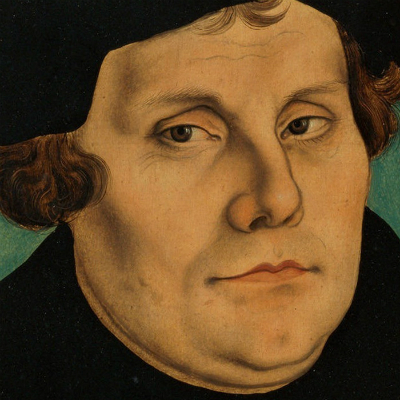
"Here I stand": Martin Luther and the Protestant Reformation
with Hans Werner (Senior Scholar, Mennonite Studies, University of Winnipeg)
Martin Luther nailed his 95 Theses to the church door in Wittenberg 500 years ago, touching off a sea change in the church. Who was Martin Luther? Can we really blame the Reformation on him? What did he think about Anabaptists, Jews, rulers, scripture, communion? In this course we will explore Luther as a person, his role in the Reformation, and his lingering influence on the Christian church today.
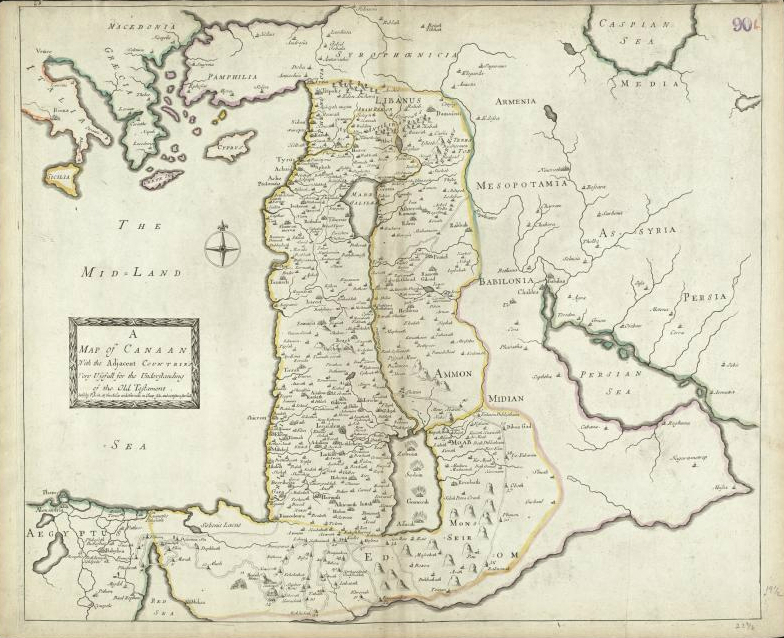
Canaan-Israel-Palestine: Land of Occupation and Conflict
with Gerald Gerbrandt (President Emeritus and Professor Emeritus of Bible)
Occupation, conflict and controversy have characterized this region of the globe for millennia. Strategic geo-political forces and theological claims have intersected to frustrate the conflict. This course will review the history of the region as well as consider how Christians might understand Scripture in relationship to it. The course will also hear from representatives of the conflict on how they might imagine a peaceful future.
Winkler | Fall 2018 (October 4 – November 8, 2018)
>> First period (9:00–10:00 AM)
Peacebuilding in Theological Perspective: Christians in Conversation
with Harry Huebner (Professor Emeritus of Theology)
Mennonites have a long history of thinking about and acting on their commitment to the biblical teaching on peace. Where are they at today? What do non-Mennonite thinkers and traditions bring to this discussion? Martin Luther King? Dietrich Bonhoeffer? William Cavanaugh? Stanley Hauerwas? Others?

The Power of Song: How Worship Music Shapes Faith
with Christine Longhurst (Assistant Professor of Music and Worship)
Christians have long recognized the power of music to shape what we believe about God and the life of faith. New Testament scholar Gordon Fee once said, "Show me a church's songs, and I'll show you their theology." This course will examine the relationship between worship music and faith throughout the history of Christian worship, paying special attention to the music of the early church, the 16th century Protestant Reformation, the rise of evangelicalism, 19th century revivalism, and the contemporary worship movement. How does our worship music reflect and shape what we believe?
>> Second Period (10:30–11:30 AM)
The Conflict Over "Holy Smoke": Contextualizing the Gospel for Indigenous Peoples
with Wendy Peterson (Instructor, North American Institute for Indigenous Theological Studies)
When European missionaries joined adventurers, fur traders, and other colonizing forces, their goal was to civilize and Christianize the heathens of this world. They assumed all things they did as Europeans (their style of worship, how they dressed, their work ethic, etc.) should be the Christian norm for their converts. This course will examine the results of this approach and ask if there is a better way to do missions.
Philippians: Explorations in the Meaning of Citizenship
with Gordon Zerbe (Professor of New Testament)
One of the central themes of Paul's letter to Philippi is that of citizenship: its character, privileges, and responsibilities. By entering into the political, social, and religious world of Paul and the congregation in Philippi, we will seek insight into how Paul consoled and challenged that congregation, and what relevance that message has for Jesus-loyalists today. (Zerbe is the author of the recently released commentary on Philippians in the Believers Church Bible Commentary series sponsored by Mennonite churches.)
Winnipeg | Fall 2017 (October 4 – November 8, 2017)
>> First period (9:00–10:00 AM)
The Church in the Global South: What Can It Teach Us?
with Titus Guenther (Associate Professor Emeritus of Theology & Mission)
While the church in the Global North is struggling to stay alive, in the Global South (Africa, Asia, Latin America) it is thriving, currently making up about 70% of world Christianity. How can we understand the dynamic, joyous presence and growth of these churches amidst wide-spread poverty and conflict? What can we learn from their experience? Can the churches in the two worlds (North and South) help each other be more faithful? Because of the instructor's background in South America, the presentations will give a heavier emphasis on this continent than on Africa and Asia.

Young Adults Today: How They Think and Why
with Adelia Neufeld Wiens (Student Advisor), Peter Epp (Church Engagement Coordinator), and Guests
This class will explore four dynamics that appear to be significant in the lives of North American young adults today, namely emerging adulthood, a sense of precariousness, mental health, and social media. It will conclude with two classes that consider young adult responses to the church, including a look at young adults who are passionate about the church, young adults who seem to be "on the edges" of the church, and young adults who seem to have fully disengaged from church
>> Second Period (10:30–11:30 AM)
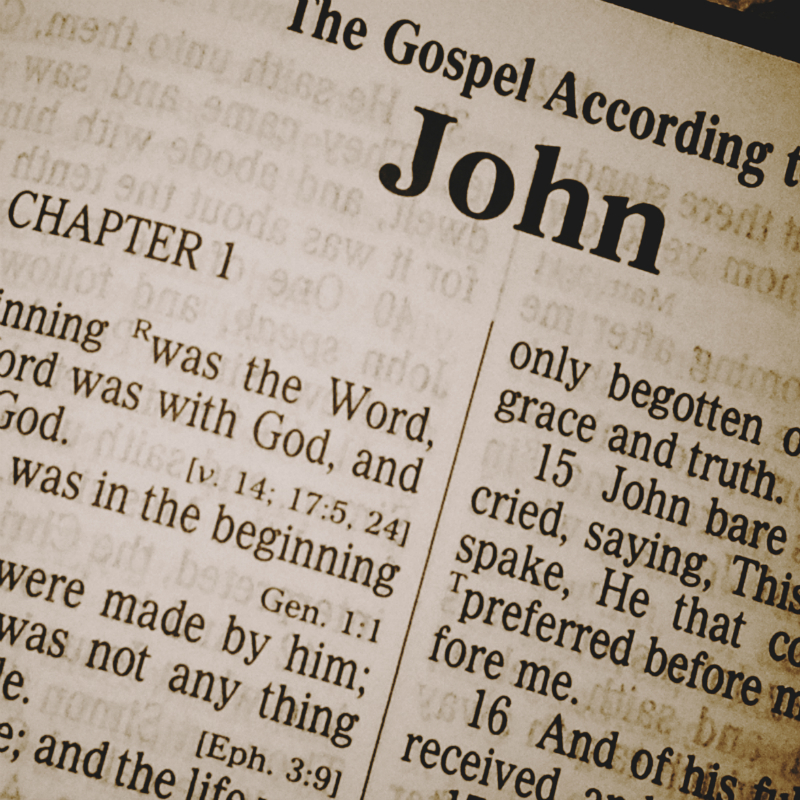
Re-Reading the Fourth Gospel: Jesus, Messiah for the World
with George Shillington (Professor Emeritus of New Testament)
The Gospel of John is rich in symbolism and metaphor, which draws the reader back again and again into its literary and theological tapestry. Fresh discoveries come to light with every new encounter. At the heart of this simple yet profound masterpiece stands the figure of Jesus, Messiah for the world with all its cultural diversity in the third millennium after the incarnation of the Word (logos).
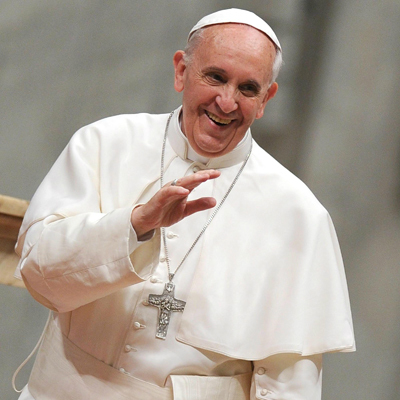
Pope Francis: A Jesuit View of the World
with Michael Caligiuri (Research Fellow, St. Paul's College)
This course will study Pope Francis, the 266th Bishop of Rome and current Pope of the Roman Catholic Church, with an emphasis on how his current mission, style and personality have been influenced by his longstanding membership in the Society of Jesus—the Jesuits. At the frontiers and heart of the Catholic Church, members of the Jesuit order are, in the words of their founder St. Ignatius of Loyola, "contemplatives in action." In addition to focusing on the life of Pope Francis it will consider the role of the Jesuits within Christianity, and the tenants which influence the Pope's ideas on a variety of issues such as ecumenism, Church teachings, and international relations.
Winkler | Fall 2017 (October 5 – November 9, 2017)
>> First period (9:00–10:00 AM)
Ephesians: Power for Peace
with Michael Pahl (Lead Pastor, Morden Mennonite Church)
Ephesians is often seen as a summary of the Apostle Paul's teaching. It might be surprising to some, then, to learn how much the letter focuses on "peace." In fact, that's the whole thrust of the book: God's power, which far exceeds any powers of this age, is displayed in the crucified and resurrected Christ and given to the Church, the body of Christ in the world, in order to bring peace throughout the cosmos and among humanity. Join us as we explore these themes in Ephesians together."
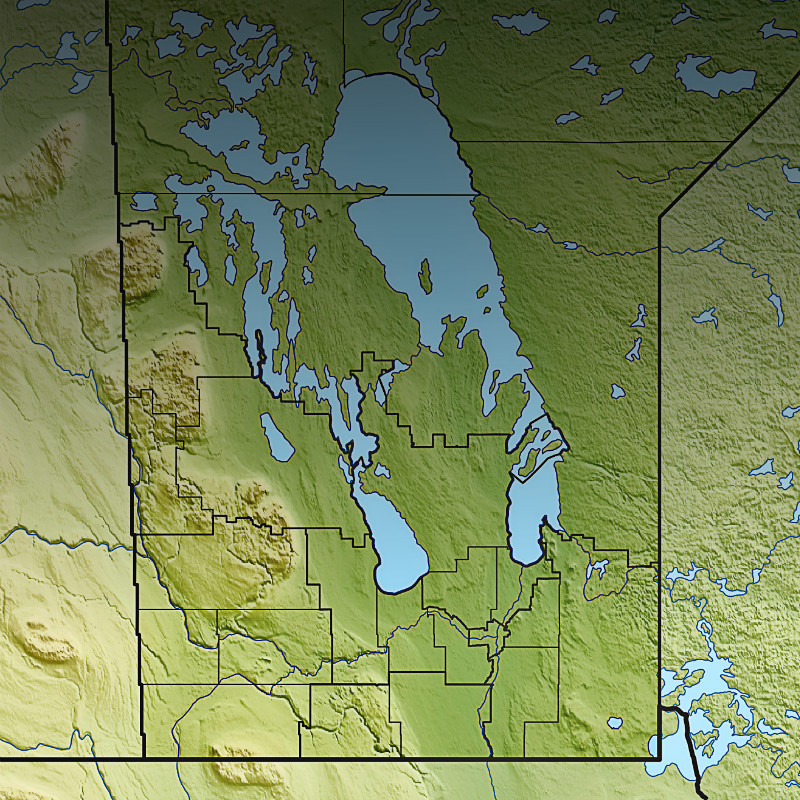
Reflecting on the Church in Southern Manitoba
with John Klassen (Senior Pastor, Emmanuel Mennonite Church) and area pastors as guest presenters
>> Second Period (10:30–11:30 AM)
Clothing the Naked Anabaptist
with John J. Friesen (Professor Emeritus of History & Theology)
In this course, participants will probe the relationship between ideas (beliefs) and context both for the origin of the Anabaptist movement in the 16th-century, and for the significance of (naked) Anabaptist beliefs today. Murray's The Naked Anabaptist will be used as a reference for class discussions.
Deuteronomy as Vision for the Church Today
with Gerald Gerbrandt (President Emeritus and Professor Emeritus of Bible)
Deuteronomy may have the reputation of being ancient, out-of-date law, or even boring, yet it paints an amazing vision for Israel, one which remains relevant and quite applicable for the church today. This course will consider the nature of Deuteronomy's teaching for Israel, and how it can be God's word for the church in the contemporary world.
Spring 2017 (October 5 – November 9, 2017)
>> First period (9:00–10:00 AM)

Global Issues in Development
with Willie Reimer (former Program Director of Mennonite Central Committee)
This course will focus on development challenges, key issues and opportunities encountered in six different regions of the world including Africa, Asia, Latin America, and the Middle East. How are international agencies such as MCC engaging the church and local partners in addressing the challenges and issues that people face in their settings. We will examine how religious, cultural, political/ governance and peace, conflict, and migration factors affect the lives of people in these regions. Staff of MCC Canada will join a number of sessions to share recent first-hand experiences, challenges and issues.

Authority: Canon, Creed, Church, or Me?
with Gerald Gerbrandt (President Emeritus and Professor Emeritus of Bible)
Most denominations have some kind of statement on the authority of the Bible. But how does this work practically? In this course we will review how the Bible came to be, and then ask what this might teach us about the authority of the Bible. In this process we will also consider how this authority interacts with, or relates to the authority of the creeds or confessions, the church, or other contemporary authorities.
>> Second Period (10:30–11:30 AM)
Disorientation and Delight: Biblical Wisdom and the Presence of God
with Gordon Matties (Professor Emeritus of Biblical Studies & Theology)
How does the wisdom literature of the Bible—Proverbs, Job, and Ecclesiastes—imagine the presence of God? If the editor of the book of Ecclesiastes is correct in suggesting that "the sayings of the wise are like goads, and like nails firmly fixed" (Eccl 12:11), perhaps these books also present the character of God as "like goads, and like nails." This short course will explore how it might be possible to affirm that God is present in what is trusted and secure (nails), just as God can be experienced as hidden, elusive, and even absent (goads).
Introducing Hutterites Today
with Kenny Wollmann (Hutterite graduate student at CMU)
Hutterites, part of the Radical Reformation along with the Amish and Mennonites, are among the world's longest-running communal society. This course will attempt to give students an experiential glimpse into today's Hutterite communities. The leader will give a brief history and theological account of what it means to be a Hutterite. Modern issues that Hutterites struggle with will be identified and discussed. The course will also include accounts from members of the community, men and women, representing different roles and expertise that make the community function.
Winnipeg | Fall 2016 (October 5 – November 9, 2016)
>> First period (9:00–10:00 AM)
Church Practices and Christian Imagination
with Irma Fast Dueck (Associate Professor of Practical Theology)
The most vital and subtle lessons of the Christian faith and life are conveyed in the practices, rituals, and gestures that the church engages in. What makes them powerful is that they are embodied theology that refuses to separate the mind, heart and body. The practices of the church function as a prism, enabling Christians to view the world with a particular imaginative lens—at their best, with the imagination of Christ. This course will examine particular practices of the church and see what they reveal about what it means to be Christian and part of the Body of Christ. Special attention will be given to baptism, communion weddings, and funerals.
Decolonizing Our Hearts: Pathways and Theologies for Truth and Reconciliation
with Deanna Zantingh (Keeper of the Learning Circle for the Sandy-Saulteaux Spiritual Centre) and guests
Our shared colonial history in Canada has affected diverse groups of people quite differently. How do we understand ourselves, our communities, and the Christian story amidst the complexity of the harms inflicted on Indigenous communities? In what ways do we need to re-examine Christian doctrines, and in what ways are our theologies resources for reconciliation? This course will be an opportunity to examine the on-going processes for truth and reconciliation between Indigenous and Non-Indigenous peoples in Canada, as we enter together with a willingness to both speak from one's heart and listen with one's heart to the variety of teachers who enter to share their journeys and wisdom about pathways for right relationship.
>> Second Period (10:30–11:30 AM)
Jesus, James, and Paul: Cherished Identity under Pressure
with George Shillington (Professor Emeritus of New Testament)
Jesus engaged in a restoration movement within the traditional land and people of Israel (Matthew 10:6; 15:24). His brother, James, carried forward the vision of Jesus centred in Jerusalem and Temple. Traditional Jewish identity was then tested profoundly when Paul extended the vision to include non-Israelites from the world in the community of Jesus Messiah without requiring the marks of identity that Jesus, James, and Judaism took for granted.
Clothing the Naked Anabaptist
with John J. Friesen (Professor Emeritus of History & Theology)
In this course, participants will probe the relationship between ideas (beliefs) and context both for the origin of the Anabaptist movement in the 16th-century, and for the significance of (naked) Anabaptist beliefs today. Stuart Murray's The Naked Anabaptist ;will be used as a reference for class discussions.
Winkler | Fall 2016 (October 6 – November 10, 2016)
>> First period (9:00–10:00 AM)
1 Corinthians
with Michael Pahl (Lead Pastor, Morden Mennonite Church)
A church divided over sexuality and marriage, spirituality, and worship and mission. Factions within the church, each with its favourite theology, its own preferred leaders. Underneath it all, questions over how to faithfully follow Jesus within a diverse and changing culture. This was the church in Corinth in the middle of the first century C.E., yet it could be any Mennonite church in Canada today. In this course we will explore Paul's charge to a fractured and flawed church to unite around the crucified and risen Jesus—a powerful word for the church today.
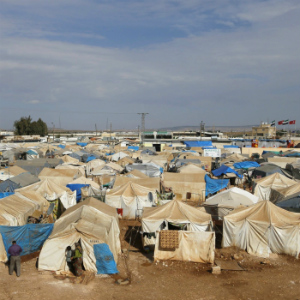
Immigrants and Refugees, Then & Now: A Common Story?
with Kevin Drudge (former Pastor, Emmanuel Mennonite Church in Winkler) and guests
Mennonites arrived in southern Manitoba as immigrants and refugees, in the 1870s, 1920s, 1940s, and later. Their arrival affected local, especially indigenous, communities. In the past 25 years many German and Russian immigrants have moved into the same area. Now southern Manitoba is welcoming new immigrants and refugees from the Middle East (especially Syria), Asia, Africa, and elsewhere. Each arrival brings further changes to local regions. What common threads weave our stories together, helping us build communities of hospitality and friendship? How does biblical faith inform our response to the experience of being, or welcoming, the stranger? Representatives from different immigrant/refugee groups, past and present, will share stories as we together reflect on what we might learn from each other.
>> Second Period (10:30–11:30 AM)
The Church in the Global South
with Titus Guenther (Associate Professor Emeritus of Theology & Missions)
While the church in the Global North is struggling to stay alive, in the Global South (Africa, Asia, Latin America) it is thriving, currently making up about 70% of world Christianity. How can we understand the dynamic, joyous presence and growth of these churches amidst wide-spread poverty and conflict? What can we learn from their experience? Can the churches in the two worlds (North and South) help each other be more faithful? Because of my background in South America, the presentations will give a heavier emphasis on this continent than on Africa and Asia.

Suffering Loss and Death
with Harry Huebner (Professor Emeritus of Theology)
We all experience suffering and loss and we all face death. As we age we lose much: our jobs, the place that has given us power and meaning, our treasured physical, mental, and spiritual capacities, our place in the family order, to name only a few. Also, we observe these changes in our friends. How do we understand these notions in an age when medicine promises to relieve us from suffering, and death is viewed more and more as liberation? Moreover, not all suffering is due to illness or personal loss; war, poverty, and racism are perhaps more stark today than ever. And Jesus suffered and died through which we believe we find our salvation. How might Christians think about this set of issues and how does it help us today to face suffering, loss, and death?
Winnipeg | Spring 2016 (March 9 – April 13, 2016)
>> First period (9:00–10:00 AM)
The Gospel of Luke
with Sheila Klassen-Wiebe (Associate Professor of New Testament)
All four Gospels tell the story of Jesus. This course will look at Luke's distinctive version of that story, with attention to several of the Gospel's characteristic themes and unique texts. We will explore Luke's version of Jesus' birth story, Jesus' mission of salvation, his practice of table fellowship, his teachings on discipleship and wealth, and his death and resurrection. Our study will lead us to a renewed appreciation for Luke's literary artistry and the significance of his portrait of Jesus for the church today.
The Jewish People: Their Story, Faith, and Practices
with Harry Huebner (Professor Emeritus of Theology) Gerald Gerbrandt (President Emeritus and Professor Emeritus of Bible), and guests
Mennonite and Jewish peoples have interacted with each other in southern Manitoba, and previously in the Ukraine. We have related socially, commercially, and in many other ways. We are alike in that we both have strong ethnic and religious identities, we are scattered throughout the world, and so on. We are also quite different. And in most cases we do not know each other very well. This is an opportunity to hear several Jewish leaders on how their stories, practices and observances shape their self-understanding as Jews, how scripture functions for them as a worshipping people, how the state of Israel has been helpful and problematic in defining them, and what it is that they would like to say to the Mennonite people. The focus here is on how we might gain a richer understanding and appreciation of each other.
>> Second Period (10:30–11:30 AM)
Whose Religion is Christianity? The Gospel Beyond the West
with Jonathan Bonk (Research Professor in Mission, Boston University and Director of the Dictionary of African Christian Biography project)
This course will survey emerging forms and demographics of Christianity around the world. Readings, reports, stories, and documentary videos will be used to create a collage of the new faces of Christianity. Implications for traditional Christian beliefs and practices will be explored.
The Life, Work, and Thought of Martin Luther King
with Brian Froese (Assistant Professor of History)
In addition to surveying the life and work of Martin Luther King (e.g., bus boycott, Promised Land speech), this course will explore the theological and historical context within which he worked. Emphasis will be placed on the intersection of his theological thought concerning the church and society and the social-historical setting of America in the 1950s and 1960s.
Winnipeg | Fall 2015 (September 30 – November 4, 2015)
>> First period (9:00–10:00 AM)
"I will not let you go unless you bless me": Explorations in Biblical Spirituality
with Gordon Matties (Professor of Biblical Studies & Theology)
"Spirituality," it can be said, is life at the interface of the divine and the human. Jacob, who wrestles with the divine stranger (Genesis 32), embodies his new name, "Israel." His experience becomes a pattern for ancient Israel's ongoing encounter with God. This course offers participants an opportunity to explore that text, along with a variety of other models of spirituality in the Bible as those are reflected in the diversity of narrative and poetry, exemplified in characterization and plot, and shaped through tradition and imagination. Sessions will include reflection on Old Testament and New Testament texts, themes, and practices.

Poverty and Homeless in Winnipeg: Its Roots and Realities
with Andy Wood (Pastor Winnipeg Centre Vineyard and Founder of Vineyard School of Justice)
Participants in this course will explore the roots of poverty and homelessness in Winnipeg and beyond. We will peel back the data to look at the complex web of contributing factors people living in poverty face. This course will explore Biblical and meaningful responses to injustice, set in a rich tapestry of stories and real-life examples.
>> Second Period (10:30-11:30 AM)
The Church in Turmoil
with Rachel Twigg Boyce (Founding Pastor, House Blend Ministries)
"For I am about to do something new. See, I have already begun! Do you not see it?" Isaiah 43:19
When you consider the many changes that are happening in the local church do you fear we are heading for disaster? Are you having a hard time see the new thing God is doing? Come explore these changes in a way that will inspire you to view the future of the church with both confidence and hope.

Suffering, Loss, and Death
with Harry Huebner (Professor Emeritus of Theology)
We all experience suffering and loss and we all face death. As we age we lose much: our jobs, the place that has given us power and meaning, our treasured physical, mental, and spiritual capacities, our place in the family order, to name only a few. Also, we observe these changes in our friends. How do we understand these notions in an age when medicine promises to relieve us from suffering, and death is viewed more and more as liberation? Moreover, not all suffering is due to illness or personal loss; war, poverty, and racism are perhaps more stark today than ever. And Jesus suffered and died through which we believe we find our salvation. How might Christians think about this set of issues and how does it help us today to face suffering, loss, and death?
Winkler | Fall 2015 (October 1 – November 5, 2015)
>> First period (9:00–10:00 AM)
The Gospel of Mark
with Michael Pahl (Pastor, Morden Mennonite Church)
The Gospel of Mark has often been ignored by Christians—it is, after all, the shortest of the Gospels, and most of its contents are duplicated in Matthew or Luke. However, it is almost certainly the earliest of the Gospels, possibly the first story of Jesus ever written. In this course we will explore this important Gospel: why it was written, what it tells us about Jesus and God's kingdom, and how it can shape the way we think about following Jesus in the 21st century.

Ukraine: Its Challenges, and Current Mennonite Initiatives
with Dave and Hildie Regehr (Canadian Directors for the Mennonite Centre in Molochansk, Ukraine) and guests
The history of Ukraine is a fascinating story of "tug-of-war" between western and Russian influences, politically, culturally and spiritually. The Mennonites entered that story in the late 1700's but were mostly removed from it again a century and a half later. Since its declaration of independence in 1991, several Mennonite initiatives are once again active in southern Ukraine midst the growing unrest in Crimea and the Donbas. Along with representatives from some current initiatives we will explore this story and Mennonite responses.
>> Second Period (10:30-11:30 AM)
Forgiveness (Person-to-Person) and Forbearance
with John H. Neufeld (President Emeritus)
Forgiveness is considered to be one of the twelve practices of the Christian faith, yet it seems to get relatively little attention as a dimension of Christian discipleship. How important is forgiveness, particularly person-to-person forgiveness? How is forbearance different than forgiveness? What experiences call for forbearance rather than forgiveness? This course will consider the role of forgiveness in our never-ending conversations with ourselves, about our relationships and our understanding of the Bible and the Christian life. We will focus on person-to-person forgiveness and distinguish between forbearance and forgiveness. Personal experiences, memories, biblical and other narratives, as well as insights from research will be used to explore the challenge and complexity of being forgiving and forbearing.

Seeing Scripture with New Eyes
with Gerald Gerbrandt (President Emeritus and Professor Emeritus of Bible)
For Christians Scripture is the primary resource and authority for how to understand our world, and how to live in it. But does this require that it be treated as a book of history and a book of laws, the primary categories we have tended to use when approaching Scripture? This course will explore an alternative approach which allows Scripture to be life-giving in the 21st century.
 Print This Page