




Menno Simons College Blog
Rebuilding relationships to resolve conflict
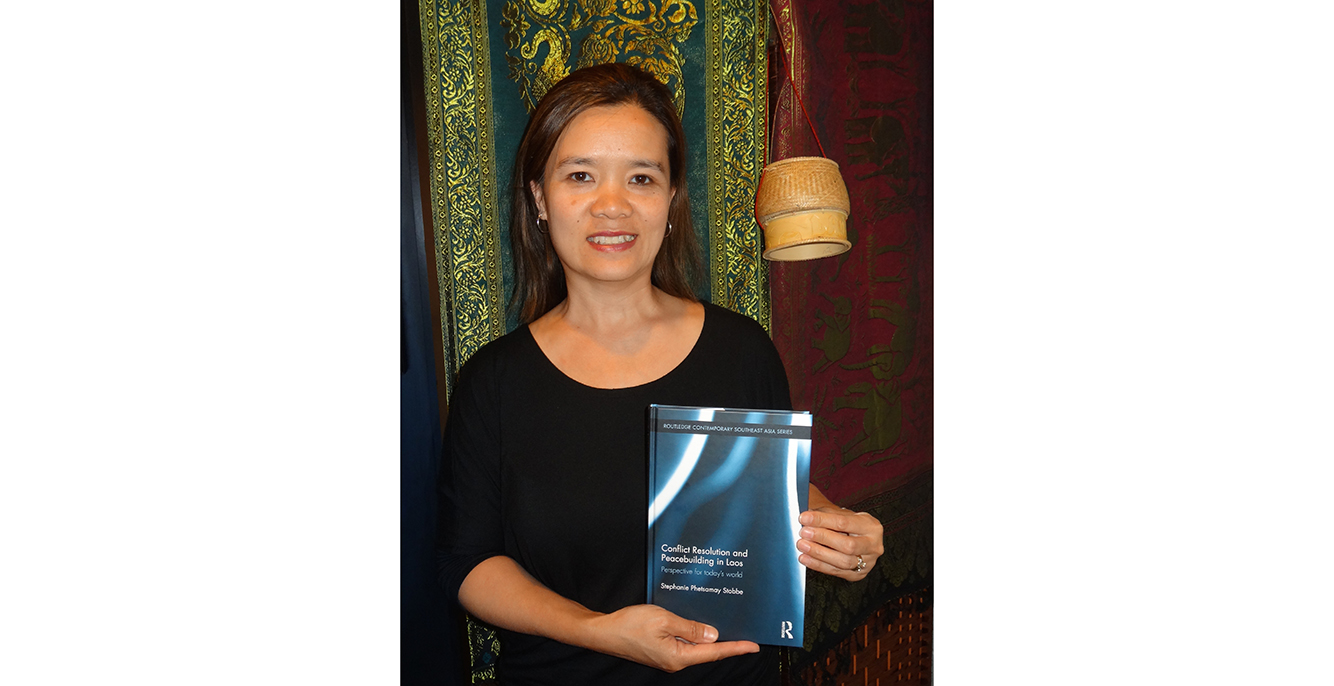
A focus on restoring and rebuilding relationships is the basis of grassroots conflict resolution methods in Laos, according to a new book by Dr. Stephanie Stobbe.
Conflict Resolution and Peacebuilding in Laos: Perspective for Today’s World highlights different models and rituals of mediation, conflict resolution, and peacebuilding used by multiple ethnic groups in Laos.
“The book is a case study that peace exists in spite of crises and conflict, as long as we can rebuild the relationships and look at the relationship dynamics,” says Stobbe, Associate Professor of Conflict Resolution Studies at Menno Simons College.
The relational nature of conflict resolution in Laos intrigues Stobbe, who describes it as different from Western models of mediation.
“In the West, people shake hands and go their separate ways,” she says. “In Laos, whenever a conflict has ended, there’s a ritual that the immediate family attends—a soumma ceremony—and a larger soukhouan ceremony, that the wider community attends.”
These ceremonies are integral parts of the mediation process as they allow opportunities for bringing people back into relationships with one another, thus encouraging them to fulfill their agreements and continue to move forward, says Stobbe.
One of the mediation processes that Stobbe researched is called the neoy gai geer, which hasn’t been written about before. This is a more formalized mediation process that occurs after all other levels of mediation have been tried.
Typically, mediation processes in Laos move through five levels: parents, relatives, elders, village leaders, and then, if necessary, to the neoy gai geer.
Through researching the conflict resolution spectrum in Laos, Stobbe compiled ten tenets of conflict resolution that she believes can be applied in any resolution process.
“These themes keep coming up over and over again in terms of processes of dispute resolution and resolving conflicts in communities and families.”
The tenets make up the acronym RESOLUTION and include relationship building, settlement/reparation, understanding, inclusivity, and originality, among others. Each of the tenets focuses on restoring relationships.
“In any conflict resolution, if you’re able to rebuild the relationship, it’s going to make the resolution more durable,” says Stobbe. “If you’re given the opportunities to access all of these different processes, that’s going to be good for you.”
The idea for the book grew out of a trip Stobbe took to Laos in 2006. She was invited to a conduct a series of workshops to help develop the first peace program in Laos. The workshops generated stimulating discussions and idea sharing among participants from different ethnic groups. Laos has over 240 ethnic groups, yet similar conflict resolution processes are found utilized by each group.
Through subsequent trips in 2007, 2009, and 2011, Stobbe and local research assistants conducted interviews across three different provinces in rural villages and cities to learn about people’s thoughts on conflict and dispute resolution processes.
Conflict Resolution and Peacebuilding in Laos includes stories that emphasize the importance of rebuilding relationship through rituals like the soumma and soukhoaun.
“These rituals are very important—they mark the end to a conflict and encourage people to begin rebuilding relationships,” says Stobbe. “There’s a natural support network at the ceremony to remind you of what you had discussed and to remind you of the event so you will continue to move to reconciliation.”
“It is my hope that Conflict Resolution and Peacebuilding in Laos: Perspective for Today’s World contributes to the study of peace and conflict at large, providing a forum for discussion on conflict resolution processes and rituals in working towards social justice among all of the world’s marginalized, oppressed, and displaced people,” she says.
The book was published by Routledge in early July 2015. Join Stobbe for a book launch at Marpeck Commons (2299 Grant Ave.) on September 15, 2015 at 7:00pm in Winnipeg.
Ellen Paulley is the Writer & Social Media Coordinator for Menno Simons College
Faculty: In Their Own Words
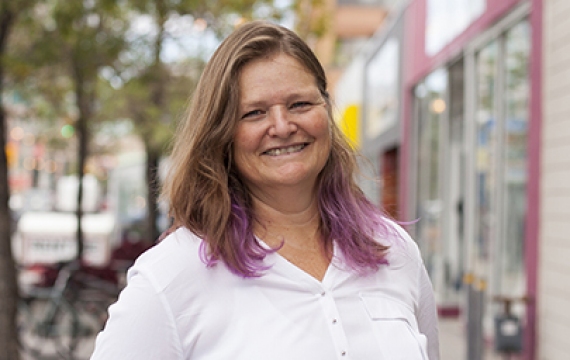
Karen Ridd, Teaching Associate Professor, Conflict Resolution Studies
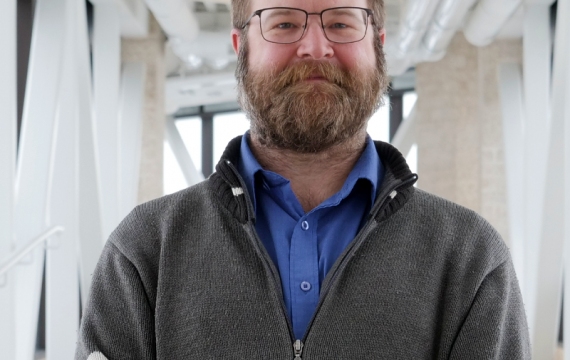
Dr. Jonathan Sears, Associate Professor of International Development Studies
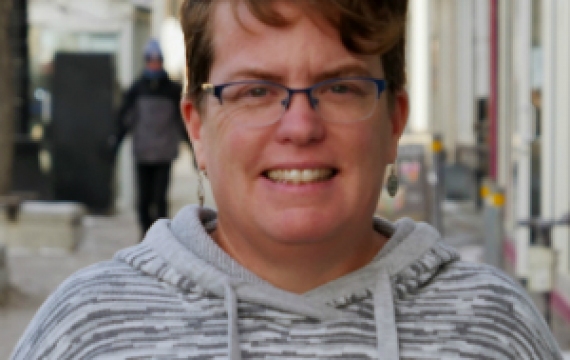
Dr. Jodi Dueck-Read, Assistant Professor of Conflict Resolution Studies
Dr. Jerry Buckland, Professor of International Development Studies

 Print This Blog Post